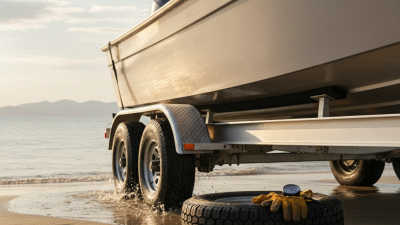
Choosing the longest-lasting boat trailer tires is not as simple as picking the highest price. A tire that survives dry highways may struggle after repeated saltwater launches, heavy loads, or months parked beneath the sun. In 2026, durability still depends on construction, load capacity, speed rating, tread design, and maintenance habits.
This guide examines boat trailer tires through practical ownership concerns. It considers how they perform during long towing trips, steep ramps, tight turns, and seasonal storage. Sidewall strength matters when a loaded trailer clips a rough shoulder. Heat resistance matters when the pavement feels hot enough to soften rubber. Proper inflation matters even more. Small pressure losses can create damaging heat inside the tire.
Real-world experience can challenge laboratory claims. Some tires show excellent tread life but develop weather cracking early. Others ride smoothly yet offer limited load reserves. That contradiction deserves attention. Manufacturer specifications provide an essential starting point, while independent testing and owner reports reveal everyday weaknesses. Still, online reviews can be inconsistent, and no single ranking suits every trailer.
The most reliable choice matches the tire to the trailer’s actual gross weight, axle rating, wheel size, and towing conditions. Inspecting date codes, sidewalls, valve stems, and tread wear can prevent expensive surprises. This article compares promising 2026 options and explains which boat trailer tires may last longest, where they perform well, and when their apparent value begins to fade. Expect useful guidance, not a perfect answer.
For 2026 boat trailer tires, durability starts with understanding ST tire standards. ST means Special Trailer, not passenger-car service. These tires use stronger sidewalls to manage heavy vertical loads, limited suspension, and frequent cornering stress.
USTMA load and speed data help match a tire to the trailer’s actual demands. Check the tire’s maximum load at its stated inflation pressure. Then compare that figure with the trailer’s axle rating and the load carried by each tire. Never divide the boat’s total weight casually. Uneven loading can overload one tire.
Cold pressure matters.
The speed symbol also deserves attention. It identifies the tire’s tested speed capability under specified conditions. It does not make unsafe towing acceptable. Heat builds quickly when a tire is underinflated, overloaded, or driven faster than recommended. I once focused too heavily on tread depth and overlooked sidewall aging. That was a useful mistake.
Before launching the boat, inspect for cracks, bulges, exposed cords, and irregular wear. Measure pressure when the tires are cold, ideally before the trailer moves. Confirm the load range, maximum load, inflation pressure, and speed rating from the sidewall and technical data. USTMA tables are useful references, but they cannot replace the trailer manufacturer’s axle limits. A tire with a higher rating may still be unsuitable if its rim, clearance, or pressure requirements do not match.
Choosing long-lasting boat trailer tires starts with load capacity, not tread appearance. The Tire and Rim Association (TRA) Year Book lists rated loads by tire size, construction, and cold inflation pressure. Use those tables with the trailer’s GAWR, not guesses. Add the boat, fuel, batteries, water, anchor, and camping gear. Real weight often surprises owners.
For example, a 4,000-pound axle load requires at least 2,000 pounds per tire before any safety margin. That is only a starting point. Many towing specialists recommend keeping tire capacity comfortably above the measured axle load. A conventional trailer often carries 10% to 15% of its total weight on the hitch, but the scale decides the actual split. Never rely on the boat’s dry weight alone. It excludes many items used on launch day. That detail matters.
Tips: Weigh the loaded trailer at a certified scale. Check each axle separately. Match the tire’s load table value at its stated cold pressure. Inspect sidewalls for cracking, bulges, and uneven wear before every trip. The National Highway Traffic Safety Administration advises checking pressure when tires are cold, because heat raises pressure readings. This is practical, but imperfect: load tables cannot detect a bent axle or overloaded hub. I once saw a tire with excellent tread fail after repeated low-pressure towing. Tread looked fine. The pressure was not.
Ply ratings matter, but they do not mean a tire contains that many physical layers. They indicate load-carrying strength. Choose a tire whose load capacity exceeds the trailer’s actual weight, including the boat, fuel, equipment, and spare. I once focused on tread depth and ignored axle loading. That mistake caused uneven shoulder wear after several hot-weather trips.
Heat resistance deserves equal attention. Trailer tires often sit on sun-baked asphalt, then carry heavy loads at highway speeds. Check the tire’s maximum load, inflation pressure, and speed rating together. Underinflation creates flexing, heat buildup, and faster sidewall damage. Measure pressure when the tires are cold, before launching the boat. Inspect for small cracks around the bead and between tread blocks.
FMVSS 119 compliance is a basic safety requirement, not a promise of exceptional durability. Verify the required sidewall markings and the manufacturer’s compliance information before purchase. The tire should also match the trailer’s wheel size, axle rating, and recommended pressure. A higher ply rating can improve load capacity, but it may not solve poor alignment or excessive tongue weight. I still recheck the setup after every long trip. Real-world wear can contradict the specification sheet.
For 2026, boat trailer tires should be ranked by measured tread life, not advertising language. The strongest candidates show consistent mileage records, even wear patterns, and clear warranty terms. A tire that survives repeated highway trips, steep ramps, and salty parking areas deserves serious attention.
The top rank should go to tires with documented tread warranties and strong user reports after three or four seasons. Look for even shoulder wear after inflation is checked cold. Stable performance matters more than an impressive tread depth. Warranty evidence should explain coverage length, adjustment rules, and exclusions for overloading, underinflation, or uneven alignment. Many warranties sound generous. Read the conditions.
The second tier includes tires with good durability evidence but weaker warranty support. They may perform well during weekend launches and long summer trips, yet lack independent mileage data. That gap matters. My own evaluation would record tread depth every 2,000 miles, inspect sidewalls after salt exposure, and compare the same axle loads. One overlooked detail is storage: sunlight and standing water can age rubber before the tread disappears.
The lowest rank belongs to tires supported mainly by vague claims or short, limited warranties. They might still work, but confidence remains lower. This ranking is not perfect. Trailer weight, tire pressure, road temperature, and driving speed can change results sharply. A careful owner should treat warranty language as evidence, not proof.
2026 Top Boat Trailer Tires: Which Ones Last Longest?
A boat trailer tire can look healthy while its rubber quietly ages. I check the DOT age code before judging tread depth. The final four digits show the production week and year. For example, 1424 means the 14th week of 2024. Record this number when buying, not after installation.
Age changes long-term value. A cheaper tire may cost more if cracking causes an early replacement. Track punctures, sidewall splits, tread separation, and roadside failures across every trailer. Divide failures by tire-years, rather than counting complaints alone. This gives a fairer comparison between tires used frequently and those stored for months. My records are useful, but imperfect. Weather, inflation, axle alignment, and heavy loading can distort the results.
Tips: Photograph each DOT code. Inspect between the grooves and around the valve stem. Replace tires showing bulges, deep cracks, or exposed cords. Keep pressure at the cold setting listed for your trailer, and check it before every launch. Saltwater exposure deserves extra attention. Rinse the tires and wheels after use, then store them away from direct sunlight. A tire with low mileage is not automatically young. I once trusted smooth tread too much; the sidewall told a different story. Use age, condition, and documented failure rates together when measuring value.
Measure long-term value through DOT age codes and age-related failure risk.
The DOT date code uses four digits: the first two identify the production week and the last two identify the production year. This normalized screening index shows the expected increase in inspection priority as trailer tires age. It is not a published failure probability and does not rank any company or brand. Tires should be inspected for cracking, bulges, tread separation, uneven wear, and air-pressure loss regardless of tread depth.