
0
  • WHY CHOOSE LOADRITE?
  • Register a Trailer
  • Dealer Portal
  • Contact
  • Trailers
  • Parts
    • Axle Assemblies & Parts
    • Lights & Electrical
    • Hull Support Systems
    • Spare Tire Carriers
    • Braking
    • Springs, Supports & Bushings
    • Couplers & Tongue Jacks
    • Trailer Accessories
    • Fender Components
    • Wheel Assemblies & Components
    • Frame Components
    • Winch Stand Parts
    • Hardware
  • Trailers 101
  • Resources
    • FAQs
    • Trailer Parts Store
    • Service Videos
    • Documents
    • Warranty Information
  • About
    • Why Choose Load Rite?
    • News
    • Become a Dealer
  • Blog

Boat Trailers

  • Boat Trailers
  • Bunk Models
  • Roller Models
  • Skiff/Jon Boat Trailers
  • Catamaran Trailers
  • Canoe/Kayak Trailers
  • Ski Boat & Inboard Trailers

Personal Watercraft
(PWC)

  • Personal Watercraft Trailers

Pontoon Trailers and Tritoon Trailers

  • Pontoon Trailers
  • Tritoon Trailers

Specialty & Custom

  • Utility Trailers
  • Custom Trailers
  • Sailboat Trailers
  • Australian Certified Trailers
  • Shipping & Storage Cradles
 |
What is the Best Antifreeze Coolant for Your Vehicle?

What is the Best Antifreeze Coolant for Your Vehicle?

Choosing the right Antifreeze Coolant for your vehicle is crucial. It plays a significant role in engine health and vehicle performance. Antifreeze coolant prevents freezing in winter and helps avoid overheating in summer. The right blend can protect your engine against corrosion and deposit buildup.

There are numerous types of antifreeze coolants available. Not all coolants are the same; some offer better protection than others. Engine materials and climatic conditions also affect which coolant is best. An informed choice can prolong the life of your engine and improve its efficiency.

Many car owners overlook the importance of selecting the correct antifreeze coolant. Some merely rely on what's available at the store. However, making an educated decision can save you from costly repairs. Understanding the specifics and testing your coolant regularly are key steps. There is no one-size-fits-all solution, but thorough research can guide you to the best option for your vehicle.
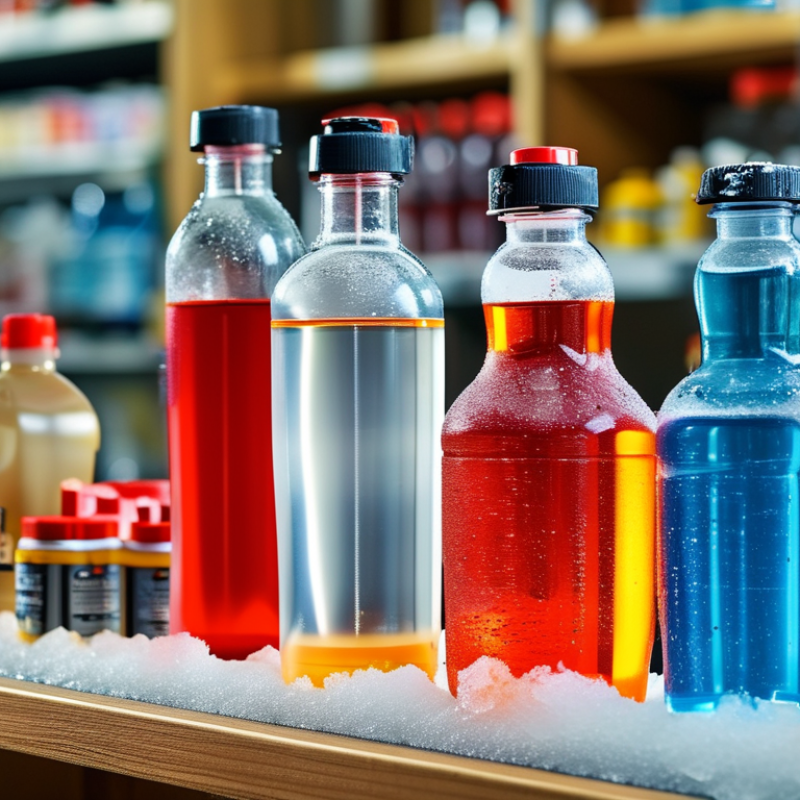
What is the Best Antifreeze Coolant for Your Vehicle?
Table of Contents [Hide]
1 Types of Antifreeze Coolants Available for Vehicles
2 Key Ingredients and Their Functions in Antifreeze Coolant
3 Factors to Consider When Choosing Antifreeze Coolant
4 Recommended Antifreeze Coolants for Different Vehicle Types
5 How to Properly Maintain and Change Antifreeze Coolant

Types of Antifreeze Coolants Available for Vehicles

When it comes to vehicle maintenance, choosing the right antifreeze coolant is crucial. There are several types available, each designed for specific needs. The most common types include ethylene glycol-based and propylene glycol-based coolants. Ethylene glycol is effective in extreme temperatures, making it a popular choice for colder regions. Propylene glycol, on the other hand, is less toxic and is often recommended for use in family vehicles.

Another category is organic acid technology (OAT) coolants, which offer longer-lasting protection. These coolants are known for their superior heat transfer and corrosion resistance. In contrast, conventional coolants often require more frequent replacement. It's vital to consider the climate you live in and the manufacturer's recommendations when selecting an antifreeze.

Choosing the wrong type can lead to engine damage. For example, using a conventional coolant in a vehicle designed for OAT could result in corrosion and reduced efficiency. Always check for color and mixture compatibility too. It’s easy to overlook these details, but they are vital for your car’s health. Familiarize yourself with your vehicle's specific needs, so you can make an informed decision.

Key Ingredients and Their Functions in Antifreeze Coolant

When considering antifreeze coolant for your vehicle, it’s essential to understand its key ingredients. Ethylene glycol is a common base used in many formulations. It effectively lowers the freezing point and raises the boiling point of the coolant. This component ensures that your engine remains at optimal temperatures. However, it is toxic and can pose risks if not handled properly.

Propylene glycol is another ingredient found in some coolants. It is less toxic but still offers effective thermal protection. This makes it a safer alternative for vehicles, especially those used in family settings. Additionally, inhibitors like silicates and phosphates help prevent rust and scale buildup within the engine. They protect various metal components, extending the life of the cooling system.

Corrosion can still occur if the coolant isn't changed regularly. Over time, even the best ingredients lose their effectiveness. Regular maintenance and proper coolant choices are crucial for engine health. The balance of these ingredients determines how well the coolant performs under different conditions. Misunderstanding antifreeze components can lead to unexpected engine failures. Taking the time to research and understand these key ingredients is invaluable for any vehicle owner.

Best Antifreeze Coolant Ingredients

Factors to Consider When Choosing Antifreeze Coolant

Choosing the right antifreeze coolant for your vehicle involves several important factors. The primary consideration is the composition of the coolant. Generally, you can find ethylene glycol and propylene glycol options. Ethylene glycol is more common and effective but can be toxic. Propylene glycol is safer for the environment and pets. However, it may not perform as well in extreme conditions.

Another factor to consider is the climate in your area. If you live in a region with harsh winters, a coolant with a lower freezing point is crucial. This helps prevent engine freeze and damage. Conversely, if you are in a milder climate, a standard coolant will likely suffice. Furthermore, always check your vehicle’s manual for manufacturer specifications. Not every vehicle is compatible with all types of coolants.

Color is also a misleading but often noticed characteristic. While many people believe color indicates different qualities, it is merely a dye for identification. Don't rely solely on color when selecting your coolant. Additionally, awareness of the coolant's lifespan is necessary. Some types lose effectiveness over time. Regular maintenance checks can ensure your coolant is performing as it should.

Recommended Antifreeze Coolants for Different Vehicle Types

Choosing the right antifreeze coolant is crucial for your vehicle's health. Different vehicles have unique needs due to engine type, climate, and driving conditions. For instance, conventional green antifreeze works well with older vehicles but may not be suitable for newer models.

Modern vehicles often require extended-life coolants, which contain organic acid technology. This type of coolant is designed to last longer and work efficiently in high-performance engines. According to the Society of Automotive Engineers, using the wrong coolant can lead to corrosion and engine wear, reducing the lifespan of vehicle components.

When selecting antifreeze, always consider the specific requirements outlined in your vehicle's manual. Tips for maintaining optimal performance include regular checks of coolant levels and periodic flushing of the system. Ensure the coolant type matches your vehicle's needs to avoid costly repairs in the future. Remember, improper usage of antifreeze can lead to overheating and serious engine damage.

The right coolant helps improve overall vehicle performance. Keeping track of the coolant’s physical condition is equally important. Look for signs of contamination or discoloration. If the coolant appears rusty or has particles floating in it, it's a red flag, indicating that it's time for a replacement.

How to Properly Maintain and Change Antifreeze Coolant

Maintaining and changing antifreeze coolant is vital for your vehicle's health. Regular checks of the coolant level can prevent overheating. Low coolant levels may indicate leaks or evaporation over time. It is essential to inspect your engine’s cooling system for any signs of wear. Pay attention to hoses and connections. Cracks or bulges can lead to leaks.

When it comes to changing antifreeze, timing is everything. Most vehicles need a coolant replacement every two to five years. This timeline can vary based on the type of coolant used. Always flush the cooling system before adding new fluid. This practice removes contaminants and old antifreeze. Ensure the engine is cool to avoid burns. Use a funnel to prevent spills when refilling.

Knowledge about your vehicle’s specific requirements is beneficial. Different engines may have varying needs. Researching the correct coolant type is crucial. Incorrect mixes can cause damage over time. Tracking your maintenance schedule helps ensure you don’t forget this important task. Antifreeze maintenance may seem simple, but it requires attention to detail. Each step is necessary for optimal engine performance.

Article Source:

  • Motorcycle Oil
  • Antifreeze Coolant
  • Trailers
  • Parts
  • About
  • Contact
  • Find a Dealer
1-800-LOADRTE
©2017 - 2025 Load Rite Trailers, Inc
  • Terms & Conditions
  • Privacy
  • Site Map