Choosing the right boat trailer tires is crucial for safe and efficient towing. Not all tires are created equal. Each type serves different needs and conditions for boat transport. Understanding what you require can be a bit overwhelming.
Tires dedicated to boat trailers often face unique challenges. They deal with heavy loads, rough terrains, and water exposure. Selecting proper boat trailer tires can make a significant difference in performance. Here, we will explore factors to consider when choosing tires. From tread patterns to load ratings, each detail matters.
When in doubt, don’t overlook the importance of quality. Investing in the right tires can prevent issues down the road. Many boat owners may not pay enough attention to this. Your safety and convenience depend on it. Reflect on your needs carefully.
When selecting boat trailer tires, it's important to understand the options available. There are various types of tires designed for different needs. Some tires offer better traction on wet roads, while others are optimized for durability on rough surfaces. It’s a common mistake to underestimate tire quality. Some people prioritize cost over performance, leading to potential safety issues.
Radial tires are a popular choice among boaters. They provide better grip and wear more evenly. Their flexible sidewalls help absorb road vibrations, improving ride quality. However, they can be more expensive. On the other hand, bias ply tires are usually less costly. They may be suitable for shorter trips. Yet, they often perform poorly on highways. Users should reflect on their towing habits to make an informed choice.
It’s also important to consider load ratings. Tires should support the weight of both the boat and the trailer. Overloading tires can lead to blowouts. Check the tire pressure regularly to avoid issues. Not paying attention to these details can lead to headaches during your next trip. Proper tire selection ensures safe and enjoyable travels.
| Tire Type | Load Capacity (lbs) | Tread Type | Best For |
|---|---|---|---|
| Bias Ply Tires | 1,200 | All-Terrain Tread | Small to Medium Boats |
| Radial Tires | 1,500 | High-Performance Tread | Medium to Large Boats |
| Specialty Tires | 2,000 | Slick Tread | Heavy Duty Trailers |
| Inflatable Tires | 1,000 | Smooth Tread | Lightweight Boats |
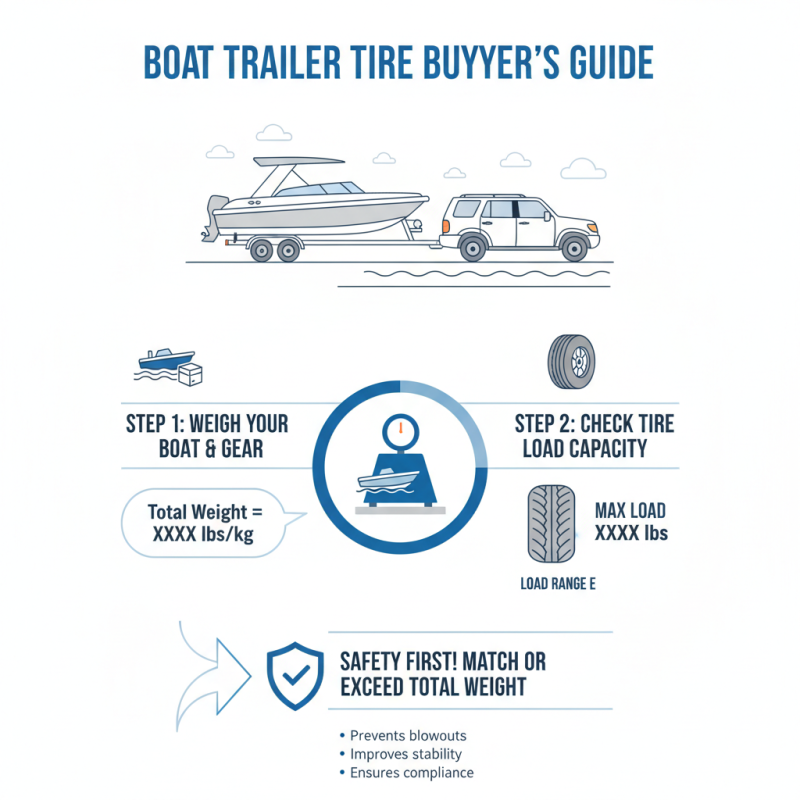
When choosing tires for your boat trailer, load capacity is key. Each boat weighs differently, and selecting the right tire ensures safety on the road. Start by weighing your boat and any additional gear. This weight will help you understand the load capacity needed for your tires.
Many people overlook how crucial load rating is. A tire's load capacity indicates how much weight it can safely carry. Misjudging this can lead to blowouts or accidents. Consider factors like tire pressure, as it affects load handling. If tires are under-inflated, they can wear out quickly. It's practical to check your tire pressure before every trip.
Ultimately, the right tires can enhance your towing experience. However, choosing based solely on price is tempting. This can lead to mistakes. An inadequate tire might save money initially but could result in costly repairs later. Always weigh the pros and cons. Quality over quantity is a vital aspect to remember.
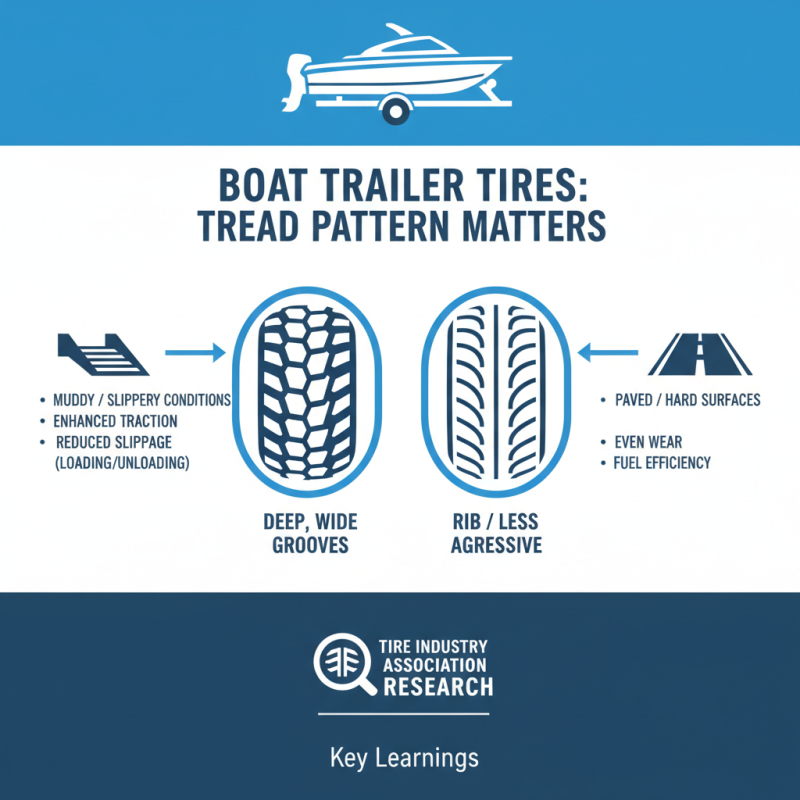
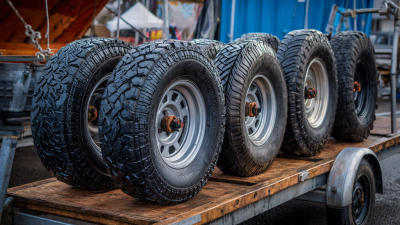
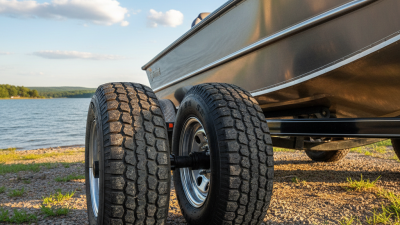
When selecting boat trailer tires, tread patterns play a crucial role. Different patterns affect traction and wear on various surfaces. A research report from the Tire Industry Association highlights that tires with deep, wide grooves excel in muddy or slippery conditions. These tires can provide better grip, reducing slippage while loading or unloading.
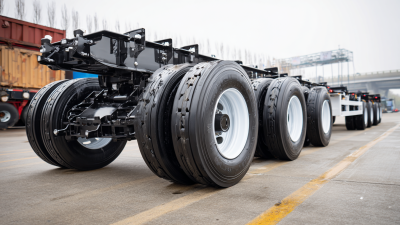
Conversely, tires with shallow, tight tread patterns may wear faster on asphalt and concrete surfaces. A study indicated that these tire styles could reduce rolling resistance by up to 10%. However, they might compromise stability in harsher conditions. The tire’s design impacts not only performance but also longevity. Remember, achieving the right balance can be tricky.
Choosing the wrong tread pattern can lead to rapid deterioration. Analysis shows that up to 30% of trailer tire failures stem from improper selection. This highlights the need for careful evaluation. Consider where and how you launch regularly. Ultimately, understanding the unique characteristics of tread patterns can lead to better decisions and increased safety on the road.
Tire maintenance is crucial for any boat trailer. Keeping tires in good condition ensures safety on the road. Check the pressure regularly. Under-inflated tires can cause blowouts. Over-inflated tires wear unevenly. Both scenarios lead to potential accidents.
Inspect the tread depth often. Worn tires can affect traction and braking. Replace them if tread is low. It’s also essential to examine tires for cracks or bulges. These signs indicate that a tire is at risk of failure. Rotating the tires helps promote even wear.
Many overlook the importance of proper storage. Extreme temperatures can damage tires. Keeping them in a cool, dry place is ideal. If trailers are sitting for long periods, consider using tire covers. This step protects from UV rays and moisture. Regular maintenance is not just about saving money. It’s about ensuring every trip is as safe as possible.
Choosing the right tire size for your boat trailer is crucial. A mismatched tire can lead to issues like instability and tire wear. According to the National Association of Trailer Manufacturers, incorrect tire sizes can increase the risk of blowouts by 30%. These blowouts often occur at high speeds, posing a danger on the road.
When determining tire size, first, measure the trailer's axle weight rating. This rating indicates how much weight the tires need to support. It's also vital to check your boat's total weight, including gear and fuel. A common mistake is not accounting for all added weight, resulting in underloading the tires. Furthermore, consider the wheel size, which typically ranges from 12 to 15 inches for most boat trailers. Tire width also varies, affecting load capacity.
Other factors matter too. Tire tread and relative softness influence performance. A harder tire may wear better but offers less grip. A softer tire provides better traction but can wear out quickly. Debating these options can lead to confusion. Always prioritize safety and stability. Ultimately, ensuring the right size can significantly impact your towing experience.
This chart displays the recommended tire sizes for various types of boat trailers based on their weight capacity. Selecting the right tire size is crucial for safe towing and optimal performance.