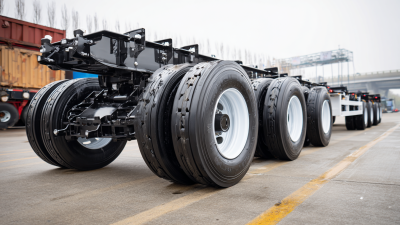
Choosing the right small boat trailer is crucial for both novice and experienced boaters looking to enhance their boating experience. According to a recent report from the National Marine Manufacturers Association (NMMA), the small boat market has seen a steady growth of about 5% annually over the past five years, underscoring the increasing recreational interest in boating. This surge in popularity highlights the importance of having a reliable small boat trailer that can facilitate easier transport and storage of your vessel.
As industry expert John Reynolds, a consultant in marine transport solutions, states, "A well-chosen small boat trailer not only ensures the safety of your boat but also enhances your overall boating experience." With various options available on the market, from single-axle to tandem-axle trailers, it can be overwhelming to make an informed decision. Factors such as weight capacity, material, and compatibility with your specific boat model should be carefully considered to ensure a suitable fit. In this article, we will delve into the essential features to look for in a small boat trailer and provide guidance to help you make the best choice for your particular needs.
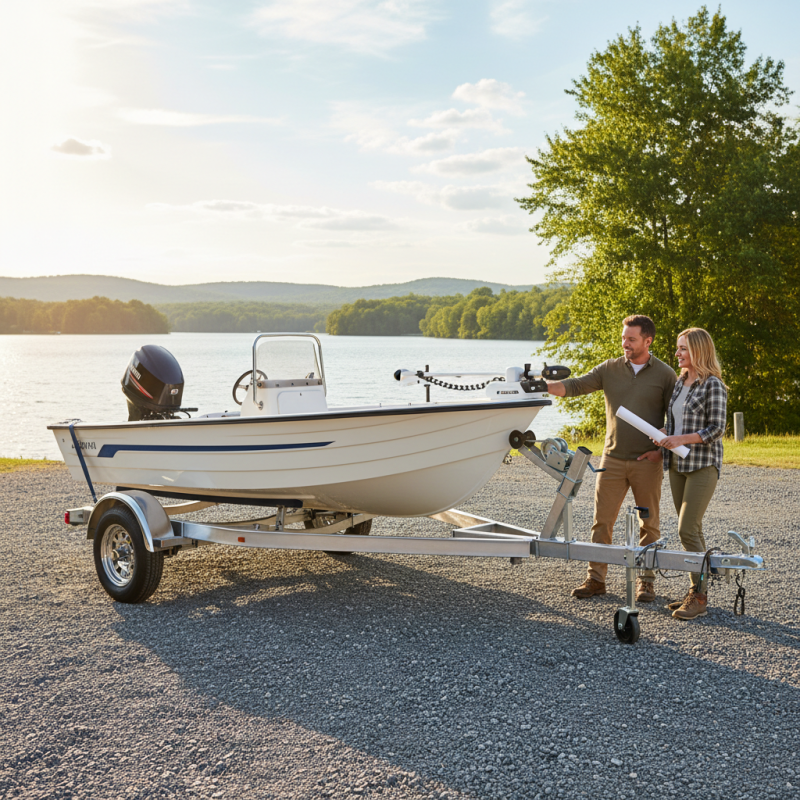
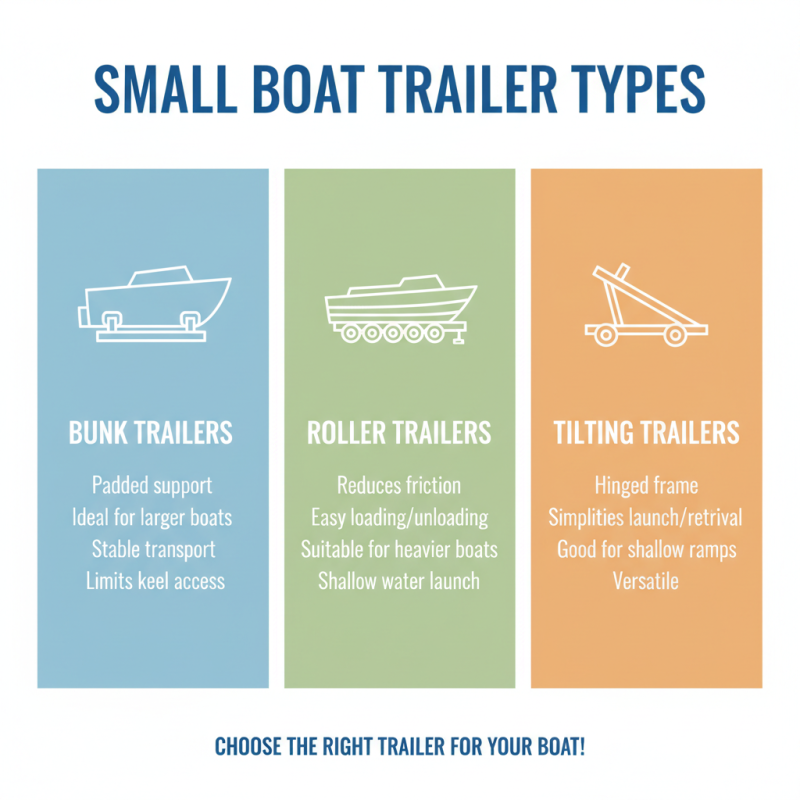
When selecting the right small boat trailer, understanding the various types available is essential. The most common types include bunk trailers, roller trailers, and tilting trailers. Bunk trailers feature padded bunks that support the hull, making them ideal for larger boats. They provide stable support during transport and launch but can limit access to the boat's keel. Roller trailers, on the other hand, utilize rollers that reduce friction during loading and unloading, making them suitable for heavier boats. They allow for easier launching in shallow water and are beneficial for frequent boaters who want quick retrieval times.
Another type to consider is the tilting trailer. This design allows the trailer's bed to tilt, facilitating easier loading and unloading. This is especially helpful for those who may not have access to a boat ramp. Additionally, some trailers are adjustable, accommodating a range of boat sizes and making them versatile options. Each trailer type has its specific advantages and application scenarios, so it's crucial to assess your particular needs, such as boat size, weight, and the type of water access points you frequent, to make an informed choice.
When selecting a small boat trailer, several key factors should guide your decision to ensure that it meets your specific needs. First and foremost, consider the weight and size of your boat. It's crucial to choose a trailer that can safely support your boat's weight, including any additional gear or equipment you may be transporting. Pay attention to the trailer’s weight capacity, as exceeding this limit can lead to unsafe towing conditions and damage to both the boat and the trailer.
Another vital factor is the type of trailer design, which can vary from bunk-style to roller-style trailers. Bunk trailers provide a stable base for the boat, allowing for easy loading and unloading, while roller trailers offer ease of maneuverability in shallow water. Additionally, examine the trailer's construction material; options include galvanized steel and aluminum, both of which have their pros and cons regarding durability and maintenance. Lastly, consider the ease of use—features like adjustable bunks, proper braking systems, and compatible hitch sizes are essential for a smooth towing experience.
When selecting a boat trailer for your small boat, one of the key decisions involves the choice between a single axle and a double axle configuration. Single axle trailers are generally lighter and more straightforward, making them suitable for smaller, lighter boats. They are often more economical in terms of initial purchase price and maintenance costs. However, their capacity is limited, which may restrict the size and weight of the boat you can transport. Single axle trailers are easy to maneuver in tight spaces, making them ideal for home storage and launching.
On the other hand, double axle trailers offer enhanced stability and weight distribution, making them a better choice for larger and heavier boats. The additional axle allows for increased payload capacity, which provides more versatility when it comes to loading options. This configuration can also result in improved handling during transport, especially over long distances or uneven roads. While they may come with a higher purchase price and increased maintenance needs, the benefits often outweigh these drawbacks for boaters who frequently travel with larger vessels. Ultimately, your choice between a single or double axle should be influenced by the size of your boat, how often you plan to transport it, and the distances involved.
| Trailer Type | Load Capacity | Weight | Stability | Maneuverability | Price Range |
|---|---|---|---|---|---|
| Single Axle | Up to 3,500 lbs | 400 lbs | Less Stable | High | $1,000 - $3,000 |
| Double Axle | Up to 7,000 lbs | 700 lbs | More Stable | Moderate | $2,000 - $5,000 |
When selecting a small boat trailer, there are several essential features to consider to ensure it meets your needs effectively. First and foremost, the capacity of the trailer should match the weight and size of your boat. Overloading a trailer can lead to safety issues and damage over time. Check the manufacturer’s specifications for both the trailer and the boat to ensure compatibility. Additionally, a trailer with adjustable bunks or rollers can provide better support and facilitate easier loading and unloading.
Another critical feature is the construction material of the trailer. Aluminum trailers are lightweight and resistant to corrosion, making them a popular choice for saltwater conditions. On the other hand, galvanized steel offers durability and strength, suitable for heavier boats. The choice between these materials often depends on your boating environment and how frequently you plan to use the trailer.
Finally, look for a trailer equipped with reliable braking systems and appropriate lighting. A braking system, such as surge or electric brakes, can enhance safety during towing, especially for larger boats. Proper lighting, including brake lights and turn signals, is essential for visibility on the road. Together, these features contribute to a safe and efficient towing experience, ensuring that your small boat trailer serves you well for years to come.
Regular maintenance of your small boat trailer is crucial to ensure its longevity and reliable performance. By following a few simple tips, you can keep your trailer in top shape, preventing costly repairs and ensuring safety while hauling your boat.
First, regularly inspect the trailer's tires for wear and correct inflation. Proper tire maintenance helps improve fuel efficiency and ensures safe towing. Additionally, consider lubricating the wheel bearings every few months to prevent overheating and early wear. Make a habit of checking the lights and electrical connections as well; ensuring that all signals function properly is vital for safety on the road.
Another important aspect is the frame and structure of your trailer. Clean the trailer regularly, removing any dirt, salt, or debris that can cause corrosion over time. Applying a protective coat of paint or rust inhibitor can also be beneficial. Lastly, secure the trailer when not in use—invest in a quality cover to shield it from the elements, extending its lifespan significantly. Following these maintenance tips will help ensure that your small boat trailer remains dependable for years to come.