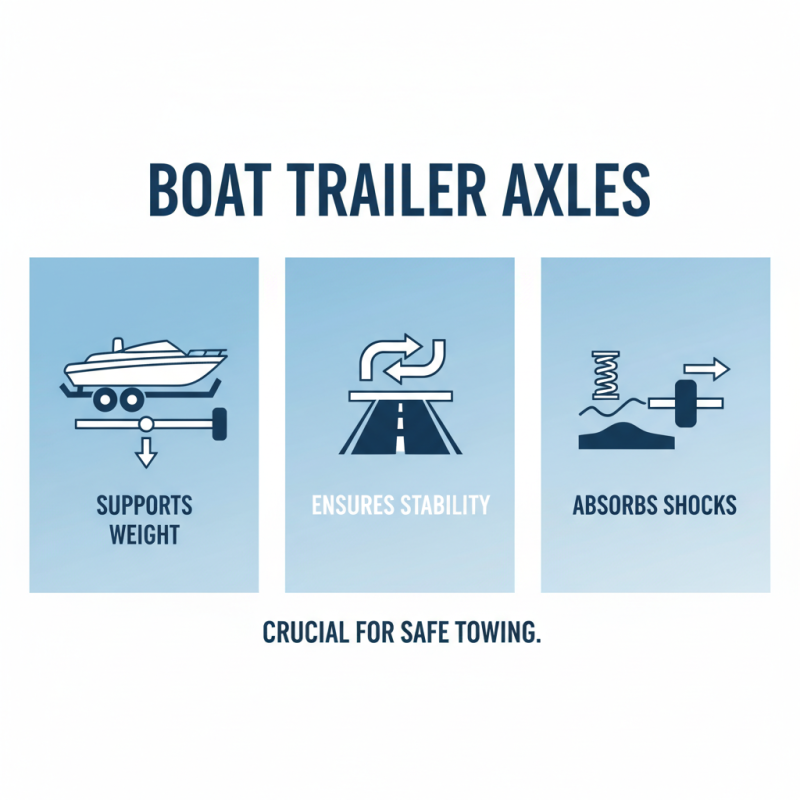
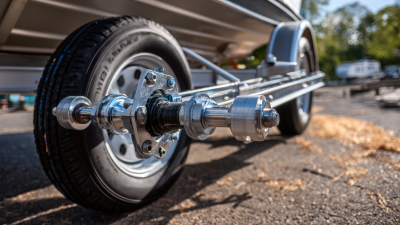
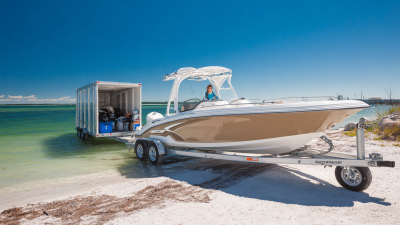
A boat trailer axle is crucial for safe and efficient transport. According to John Smith, an industry expert and founder of Trailer Masters, "A strong axle is the backbone of any reliable boat trailer." This highlights the significance of choosing the right axle.
The boat trailer axle connects the wheels and supports the weight of the boat. It directly affects stability on the road. Many boat owners overlook the importance of this component. A poorly chosen axle can lead to accidents or costly repairs.
Understanding the role of a boat trailer axle can make a difference. It ensures smooth towing and prolongs the trailer's life. Neglecting axle quality can lead to unforeseen challenges. Regularly inspecting the axle is important for maintaining safety while on the road.
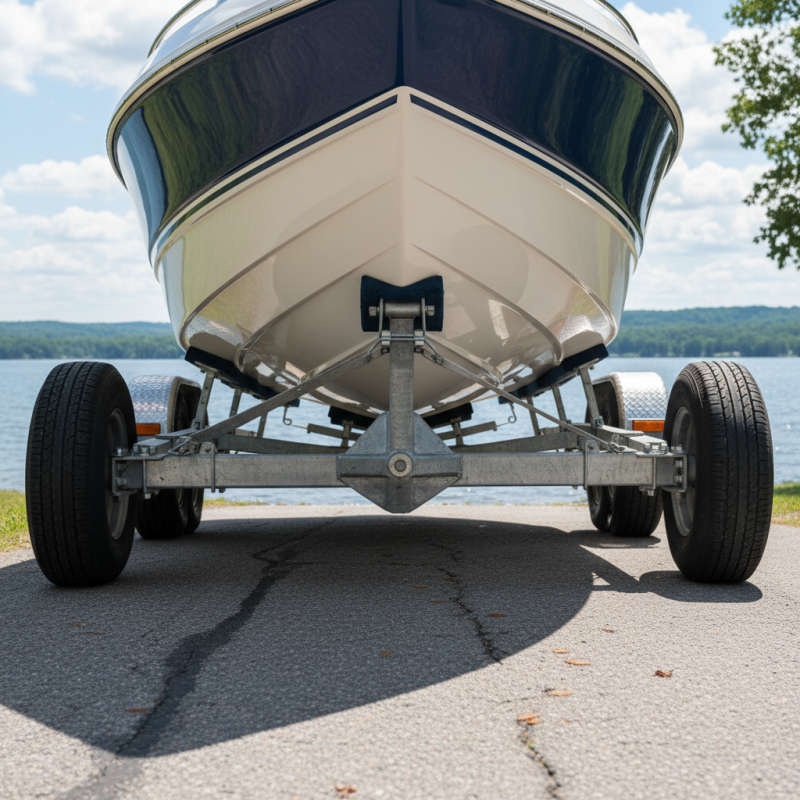
Boat trailer axles are crucial components. They sustain the weight of the trailer and the boat it carries. Understanding their function is key for safe towing. A proper axle ensures stability during transport. When driving, it’s the axle that absorbs bumps and shocks. A solid axle allows for a smoother ride.
When choosing an axle, consider the weight capacity. Each axle type handles different weights. If the capacity is too low, it could lead to failure. Realizing this can save you from potential accidents. Some may overlook maintenance. Inspecting the axle regularly is necessary. Check for rust or wear. These small details matter greatly.
Tip: Always match the axle to your boat’s weight. An overworked axle can risk safety. It’s also wise to examine tires and brakes often. They work hand-in-hand with the axle. A good companion to your trailer makes a big difference. Neglecting these basics may lead to costly repairs later on.
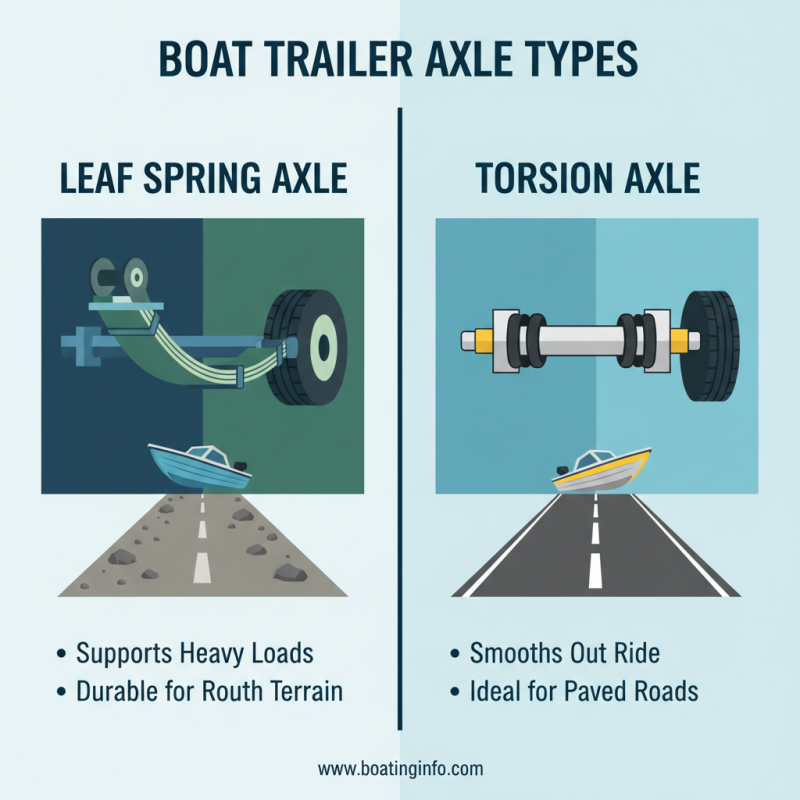
Boat trailer axles come in different types, each suited for specific applications. A common type is the leaf spring axle. It supports the boat's weight and provides stability while towing. These axles are often durable and can handle rough terrains. Another type is the Torsion axle. It uses rubber cords for shock absorption. This type is great for smooth rides but may not be as robust on rough roads.
When choosing an axle, consider the boat's weight. Heavier boats need stronger axles. Additionally, check the load capacity of the axle. It should always exceed your boat's total weight, including gear. Ensure the axle type matches your towing needs. A misfit can lead to accidents or damage.
Tips: Always inspect your trailer before heading out. Look for rust or wear on the axle. Regular maintenance is crucial to extend the life of your trailer. Remember, a faulty axle can be dangerous. Have doubts? Consult an expert. Don't skip this step; it's worth the peace of mind.
Boat trailer axles play a crucial role in ensuring safe and efficient transport. The axle is the central component that supports the weight of the boat. It helps distribute the weight evenly, preventing damage during transit. A well-functioning axle is vital for stability and maneuverability.
Key components include the axle itself, springs, and hubs. The axle bears the boat's weight and provides a pivot point. Springs can absorb shocks from uneven roads. Hubs house the wheel bearings, allowing smooth rotation. Pay attention to these parts; neglect can lead to issues. Worn-out components may compromise safety on the road.
Regular inspection is essential. Look out for rust, damage, and wear. Problems can develop without clear signs. A poorly maintained axle risks accidents or costly repairs. It’s worth taking the time to check these components frequently. Understanding their importance can lead to safer travels.
Boat trailer axles play a crucial role in the overall safety and performance of towing. They support the weight of the boat and ensure a smooth transport. A functional axle helps to distribute weight evenly. This balance eliminates stress on both the trailer and the vehicle.
Regular maintenance is vital for longevity. Neglected axles can lead to significant risks, such as breakdowns while on the road. Check for rust and damage routinely. Inspect the bearings; they require proper lubrication. Poorly maintained axles can create sway. This instability can threaten all road users.
Be mindful of wear indicators. They serve as a reminder for when to replace parts. Often, boat owners overlook these signs. Ignoring maintenance can result in costly repairs and dangerous situations. Every trip should start with a thorough inspection. Care for your axle, and it will ensure safety on your journeys.
| Parameter | Importance | Maintenance Tips |
|---|---|---|
| Weight Capacity | Ensures safe transport of the boat without exceeding limits. | Regularly check the capacity rating and avoid overloading. |
| Alignment | Proper alignment ensures even tire wear and better handling. | Have axles aligned periodically, especially after hitting potholes. |
| Material Quality | Durable materials reduce risks of failure and corrosion. | Inspect for rust and apply protective coatings where needed. |
| Brake System | Critical for stopping power and safety during towing. | Check brake fluid levels and functionality annually. |
| Wheel Bearings | Ensures smooth wheel rotation and reduces wear on tires. | Grease bearings before each major trip; replace if worn. |
When selecting an axle for your boat trailer, it’s crucial to consider the weight and size of your boat. The trailer axle should match the total weight capacity of your load. Industry reports show that the average weight of a 20-foot boat ranges between 2,500 to 4,500 pounds. An adequately rated axle ensures safety and stability during transport.
Your choice can impact towing performance. A common mistake is underestimating axle capacity, which can lead to structural failures. For example, using a 3,500-pound axle for a 5,000-pound boat can lead to catastrophic results. Trailers with the wrong axle may sway or experience tire blowouts.
In contrast, over-specifying can waste resources. A heavier axle adds unnecessary weight, affecting fuel efficiency. Choosing the right axle requires careful calculations based on actual weights. This is where many boat owners falter. Often, they overlook trailer load distribution, which affects axle performance. It’s not just about picking the most massive option; it’s about finding balance and efficiency.