Choosing a jet ski trailer supplier in China involves more than comparing prices or browsing polished product photos. Global buyers need to understand how a trailer is designed, built, checked, and prepared for shipment. A useful supplier review looks at frame materials, weld quality, axle capacity, braking options, lighting, and corrosion protection. These details matter when a trailer faces repeated launching, salt spray, and long road journeys. Small parts matter, too.
This guide explores what buyers can ask China-based manufacturers before requesting a quotation. Clear drawings, load specifications, finish options, and available spare parts can help prevent misunderstandings. Ask how dimensions are measured and whether the quoted configuration matches your watercraft and towing setup. Details vary. A catalog may show a useful starting point, not the exact trailer you will receive. Request current product information, inspection records where available, and photographs of relevant production details. Confirm packaging, shipping arrangements, and required documents with the supplier and your freight provider. These checks do not guarantee a perfect purchase, but they make comparison more grounded. Some buyers may still overlook one small fitting. It happens. Careful communication, realistic expectations, and independent verification can help global buyers evaluate manufacturers with greater confidence and choose a trailer suited to their actual operating conditions.
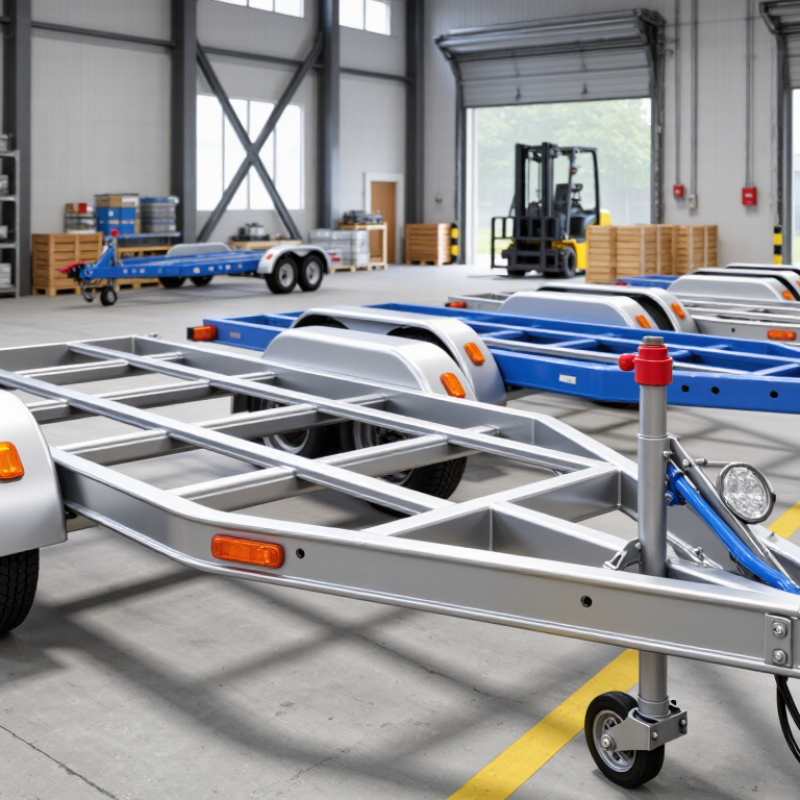
China’s jet ski trailer industry combines metal fabrication, component sourcing, and export preparation. Many manufacturers work near established manufacturing centers, where steel tubing, axles, wheels, and winch parts are easier to source. This can shorten production cycles, though supplier quality may vary. Details matter.
A typical trailer uses a welded steel frame, corrosion-resistant fasteners, adjustable bunks, and a winch post. Some factories offer galvanized finishes or aluminum frames for buyers seeking lighter equipment. Ask how welds are inspected and how coatings are checked for thin spots. A smooth finish is useful, but it does not prove consistent quality underneath.
Manufacturers may adjust bunk spacing, frame length, lighting, and coupling details to fit different watercraft and transport needs. Clear drawings help prevent misunderstandings, especially when measurements are discussed across languages and time zones. Buyers should request material specifications, load information, inspection records, and packing details before placing an order. A factory visit or live video inspection can reveal workshop organization and production equipment. Photos alone can miss things. Even careful suppliers can have delays when components arrive late, so realistic lead times deserve attention. Comparing several factories by documented capability, rather than price alone, gives global buyers a firmer basis for choosing.
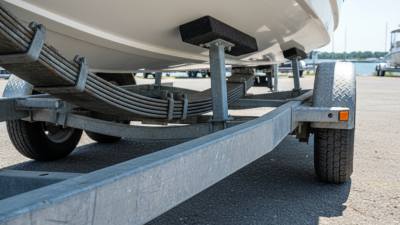
A useful jet ski trailer starts with fit, not appearance. The frame should support the craft’s hull without pressing hard against the keel or ride plate. Adjustable carpeted bunks help spread the load and suit different hull shapes. Roller systems can ease launching, but they need regular inspection and careful alignment. Fit matters. Check the winch post, bow stop, and tie-down points with the craft loaded. A few centimeters of poor alignment can cause frustrating ramp-side adjustments.
Trailer choice also depends on launch conditions and distance. Single-axle models are compact and easy to maneuver; tandem-axle designs can offer steadier towing for heavier loads. Galvanized steel is a practical option for corrosion resistance, while aluminum reduces frame weight. Salt changes everything. Rinse the frame, hubs, and lights after coastal use, and inspect wiring connections often. NMMA’s 2024 Recreational Boating Participation Study reported that 85 million Americans went boating in 2023; this is U.S. participation data, not a global trailer-sales figure. It nevertheless signals a substantial recreational boating audience. For global buyers, confirm the trailer’s load rating, coupler fit, lighting configuration, and spare-parts availability for the intended tow vehicle and launch site. No single layout fits every ramp, and buyers sometimes discover that too late.
Evaluate a Chinese jet ski trailer manufacturer by checking how its design matches your watercraft and launch conditions. Ask for the rated load, frame dimensions, winch capacity, and recommended tongue weight in writing. Compare these figures with your craft’s specifications, not just a product photo. Details matter.
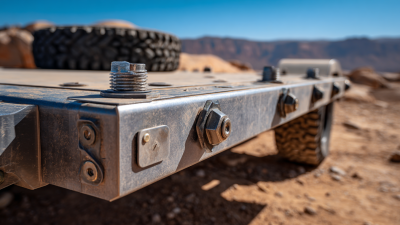
Request close-up images of welds, galvanized surfaces, hubs, rollers, and lighting connections. Ask how steel thickness and corrosion protection are specified, and whether inspection records are available for finished units. A neat sample is useful, but it does not prove every production batch is consistent. Ask how defects are logged and handled. This may feel overly cautious. It is still practical.
Communication is another test. Send a drawing with your required dimensions and ask the factory to confirm each measurement, packaging method, and spare-parts list. Clear answers should distinguish standard features from custom options. Request a sample inspection plan before placing a large order, including checks for alignment and moving parts. Export packing deserves attention: straps, corner protection, and moisture barriers can affect the trailer’s condition on arrival. A polished catalog can hide gaps, and buyers may miss them when schedules are tight. Compare written specifications, sample quality, and follow-up responses together.
A reliable jet ski trailer starts with measurable quality, not a polished catalog. Ask for the rated load, axle specifications, and inspection records. Check welds around the frame and winch post; uneven beads deserve a closer look. Galvanized surfaces should cover exposed steel, especially near joints. Small gaps can become rust points after repeated launches. Fit matters.
Customization should match the craft and the buyer’s launch conditions. Confirm bunk spacing, hull support, tire size, hitch height, and lighting before production. A few centimeters can change how securely a personal watercraft sits. Request a dimensioned drawing and photos of a completed unit, not just a rendering. Options such as a spare-tire mount or adjustable winch post may help, but extra features also add weight and cost. More is not always better.
Export readiness takes the same care. Packaging should protect metal parts from moisture and prevent loose components from shifting during transit. Buyers should confirm applicable destination requirements, including road lighting, braking, labeling, and import documents, with their freight provider or local authorities. Requirements vary by market. A commercial invoice and packing list are common, but the exact paperwork depends on the shipment. One weak point remains: factory checks cannot predict every road or ramp condition, so inspect the trailer on arrival before use.
| Evaluation Dimension | Relevant Specification or Standard | Buyer Checklist |
|---|---|---|
| Load capacity and weight rating | Confirm the trailer’s Gross Vehicle Weight Rating (GVWR), curb weight, and payload. Payload is calculated as GVWR minus curb weight. | Check that the loaded trailer weight does not exceed the trailer, axle, tire, hitch, or tow-vehicle ratings. Request a drawing or specification sheet showing rated loads. |
| Trailer dimensions and fit | Overall length, width, bunk spacing, winch-post position, and adjustable support locations should suit the watercraft’s hull and transport requirements. | Provide the craft’s length, hull profile, weight, and tie-down locations. Confirm adjustment range and clearance before production. |
| Frame material and corrosion protection | Common options include galvanized steel and aluminum. ISO 1461 specifies requirements for hot-dip galvanized coatings on fabricated iron and steel articles. | Ask for material details, coating process, and inspection records. Confirm how cut edges, welds, and fasteners are protected against corrosion. |
| Coating and corrosion testing | ISO 9227 describes neutral salt-spray, acetic-acid salt-spray, and copper-accelerated acetic-acid salt-spray test methods. It is a test method, not a product certification. | If salt-spray testing is required, agree on the test method, duration, sample preparation, and acceptance criteria in writing. Do not treat a test-hour claim alone as proof of service life. |
| Welding and production quality | ISO 3834 addresses quality requirements for fusion welding of metallic materials. Its relevance depends on the product, manufacturing process, and purchase agreement. | Review welding procedures, operator qualifications, in-process inspection records, and final inspection criteria. Verify any claimed certification directly with the issuing body. |
| Road lighting and tires | Requirements depend on the destination market. For the United States, applicable federal requirements include FMVSS No. 108 for lamps and reflective devices and FMVSS No. 119 for certain tires. | Confirm lamp positions, connectors, reflectors, tire markings, and load ratings against the destination-country rules. Obtain component documentation where applicable. |
| European Union trailer approval | Where EU vehicle type approval applies, Regulation (EU) 2018/858 covers motor vehicles and their trailers. Trailer category O1 has a maximum mass of 0.75 tonnes; O2 is over 0.75 tonnes and up to 3.5 tonnes. | Determine the applicable category and approval route for the intended use and market. Request relevant approval documents before shipment; applicability can depend on the product and jurisdiction. |
| United States identification and certification | US federal regulations include 49 CFR Part 565 for vehicle identification numbers and Part 567 for vehicle certification. Applicable requirements depend on vehicle classification and use. | Confirm responsibility for the VIN, manufacturer identification, and certification label. Check that the documents and labels match the shipped trailer configuration. |
| Customization options | Common order variables include frame length, bunk or roller layout, winch-post position, coupler size, axle configuration, wheel and tire selection, and finish. | Record every option on an approved drawing and purchase specification. Identify which dimensions are adjustable and which are fixed after fabrication. |
| Braking and towing setup | Brake requirements vary by country, state, trailer weight, and vehicle combination. Tongue-weight guidance also depends on the tow vehicle and trailer design. | Confirm brake type, breakaway equipment where required, coupler rating, and hitch compatibility with the destination-market rules and tow-vehicle instructions. |
| Export documents and packaging | Typical export documentation may include a commercial invoice, packing list, bill of lading, and any required origin or conformity documents. Requirements vary by destination. | Agree on the importer of record, tariff classification, country-of-origin marking, packaging method, and document responsibility before dispatch. |
| Pre-shipment inspection | A documented inspection can cover dimensions, weld appearance, coating condition, lights, tires, fasteners, labels, and included accessories. | Set measurable acceptance criteria and inspection timing in the contract. Keep dated inspection records and photographs linked to the order. |
Note: This table is a sourcing and verification guide, not a list of certified manufacturers or a substitute for destination-market legal advice. Standards and regulatory requirements should be checked in their current versions for the specific trailer, configuration, and country of sale.
Choosing a jet ski trailer starts with the craft, not the price. Record the ski’s length, beam, wet weight, and tie-down points. Include fuel and accessories, then compare the total load with the trailer’s payload and gross vehicle weight rating. Check axle and tire ratings, bunk spacing, winch position, and corrosion protection. Measure the tow vehicle’s hitch capacity too. Small mismatch, big headache.
Ask Chinese manufacturers for dimensioned drawings, material and coating details, component ratings, spare-parts lists, and clear photos of a completed unit. Confirm packaging dimensions and agree on an inspection checklist before production ends. A polished catalogue image proves little. The World Bank’s 2023 Logistics Performance Index data found an average of about 44 days from goods entering an export port to leaving the destination port. Treat that as a planning reference, not a delivery promise. UNCTAD’s Review of Maritime Transport 2024 reported seaborne trade grew 2.4% in 2023, underscoring why buyers should allow schedule flexibility. Ask for the shipping terms, documents, and estimated dispatch window in writing. I would recheck every measurement against the actual ski; that step is easy to rush.