
Choosing the right car engine stand is crucial for any auto enthusiast or mechanic. A sturdy and reliable stand enhances safety and efficiency during engine repairs or rebuilds. On the market, you will find various models, each designed for different needs.
When selecting a car engine stand, consider your engine's weight and size. Some stands can support heavy engines, while others may struggle. Look for robust materials, like steel, to ensure durability. Adjustable arms can be helpful, providing flexibility for different engine types.
It’s essential to review user feedback. Some models may appear strong but could have design flaws. Inspect your options carefully. A poor choice can lead to risks in your workspace. Investing time in research will pay off in the long run. This process is not just about purchasing equipment; it's about finding the right tool for your specific needs.
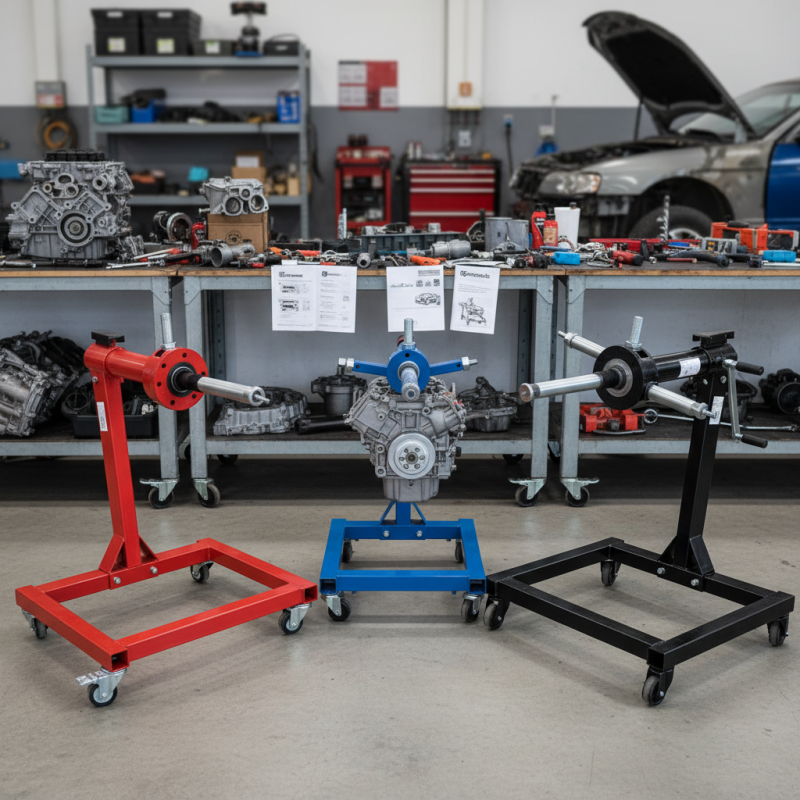
A car engine stand plays a crucial role in automotive repairs and restorations. It provides a stable platform for holding an engine, allowing mechanics to work at various angles. This stability is essential, especially when handling heavy engines that can weigh between 200 to 600 pounds. According to industry reports, a significant number of injuries in workshops are due to improper handling of engines. A good engine stand greatly reduces these risks.
Many engine stands can support rotating capabilities. This feature is vital for accessing all sides of the engine easily. However, not all stands offer this functionality, and choosing the wrong one could lead to awkward work positions. Mechanics often rely on stands that can swivel 360 degrees. This adaptability can enhance efficiency, yet, some lower-quality models may not offer smooth operation and can become frustrating over time.
When selecting an engine stand, consider construction material and weight capacity. Some stands are made from lighter materials, which may not hold up under stress. Research shows that stands with higher weight ratings often have better durability. However, they can also be more expensive. Balancing budget with safety and performance is a common dilemma. Evaluating how often you'll use the stand can also guide your decision. An infrequent user might not need top-of-the-line features, while daily users should invest wisely for long-term benefits.
This bar chart illustrates the load capacity of different types of car engine stands, ranging from basic to professional models. When selecting an engine stand, consider the weight of your engine and ensure the stand can accommodate it safely.
Choosing the right car engine stand is essential for any automotive enthusiast or mechanic. One of the most important features to consider is stability. A sturdy base with a reliable locking system is crucial. It helps prevent accidents while you work on your engine. Look for an engine stand that can support the weight of your specific engine type. Sometimes stands that seem strong might not hold up well under pressure.
Another key feature is adjustability. An engine stand should allow easy height and rotating adjustments. This ensures you can work at a comfortable level and access all angles of the engine. Some stands may have limited range of motion, making long repairs cumbersome. It is frustrating when you can't reach that crucial bolt because of poor design.
Finally, consider your specific needs. A heavy-duty stand may not be necessary for smaller engines. Think about what you will be working on primarily. It’s okay to make mistakes in your choice; learning from them helps improve future decisions. A stand that is too heavy may be hard to move, while a lightweight one might not provide enough support. Evaluate your workspace and choose accordingly.
| Feature | Description | Importance Level |
|---|---|---|
| Weight Capacity | The maximum weight the stand can support, usually ranges from 1,000 to 2,500 lbs. | High |
| Adjustability | Ability to adjust height and positions to accommodate different engine sizes. | Medium |
| Material Quality | Durability of the materials used, commonly steel or aluminum. | High |
| Mobility | Presence of wheels for easy movement around the garage. | Medium |
| Stability | How well the stand maintains its balance while holding an engine. | High |
| Price Range | General cost of the engine stands, typically from $100 to $500. | Medium |
When selecting an engine stand, understanding compatibility with different engine sizes is crucial. Many stands can support various engine weights and sizes, but not all. A three-point stand offers more stability for larger engines, while a two-point stand may suffice for smaller ones. Consider the engine's weight and size before making a purchase.
Tips: Measure your engine's dimensions accurately. Ensure that the stand can accommodate these specifications. Look for adjustable stands that offer flexibility. Stability is key; an unstable stand can lead to accidents.
Some stands claim to be universal, but they may sometimes fall short. Check the weight limits carefully. A stand that feels solid might not support heavier engines well. It's essential to strike a balance between versatility and stability. A well-balanced stand enhances your working experience and minimizes safety risks.
When selecting a car engine stand, material quality is crucial. A sturdy stand can support heavy engines. Look for stands made from high-grade steel. Aluminum stands are lighter but may not offer the same strength. The welds should be strong without any visible defects. This ensures safety during use.
Durability is influenced by the stand's design. A stable base prevents tipping. Look for a wide-footprint design. Adjustable arms are a plus; they offer flexibility for different engine sizes. Ensure the wheels are robust for easy maneuverability. Cheap wheels can break, resulting in accidents.
Tips: Regularly inspect your stand for wear and tear. Small issues can escalate. Keep it clean and free of rust. A little maintenance goes a long way. Lastly, consider your workspace. Limited space may require a foldable design, but ensure it remains strong. Prioritize quality over price; it pays off in the long run.
When budgeting for a car engine stand, costs can vary widely based on features and materials. A basic stand generally ranges from $100 to $300, while heavy-duty options may exceed $500. According to industry reports, the demand for engine stands has risen by over 15% in the past year. This increase can be attributed to more DIY enthusiasts engaging in automotive projects at home.
Consider additional costs you might encounter. Shipping, assembly tools, and accessories can add $50 to $150 to your total expenditure. It’s important to delve into the specifications. Some stands might not accommodate larger engines, limiting your options later. As many users have discovered, paying for a premium stand often leads to better stability and safety, which might justify the initial investment.
Reflect on your needs. A cheap stand might serve short-term projects but could fail during critical tasks. Professional reviews indicate that around 30% of engine stand users encounter stability issues with low-quality models. Balancing quality with budget is essential for long-term satisfaction. It's important to plan wisely before making a purchase.