
In recent years, the demand for geomembrane welding machines has surged, driven by the growing need for reliable containment solutions. According to a 2022 report by MarketsandMarkets, the geomembrane market is projected to reach $3.2 billion by 2026. This growth emphasizes the importance of advanced welding technologies in construction and environmental protection projects.
Dr. James Thompson, a prominent expert in the geomembrane industry, states, "A geomembrane welding machine is essential for ensuring the integrity of containment systems." His insights highlight the increasing reliance on these machines for effective project execution. However, many companies still use outdated methods, risking potential failures and costly repairs.
The rising complexity of projects demands efficient welding solutions. A well-functioning geomembrane welding machine can enhance productivity and reduce vulnerabilities in installations. Yet, there are still challenges, such as improper training and maintenance that can undermine these advantages. Embracing these machines means investing in detailed training programs and regular upkeep, which can sometimes be overlooked in the rush to complete projects.
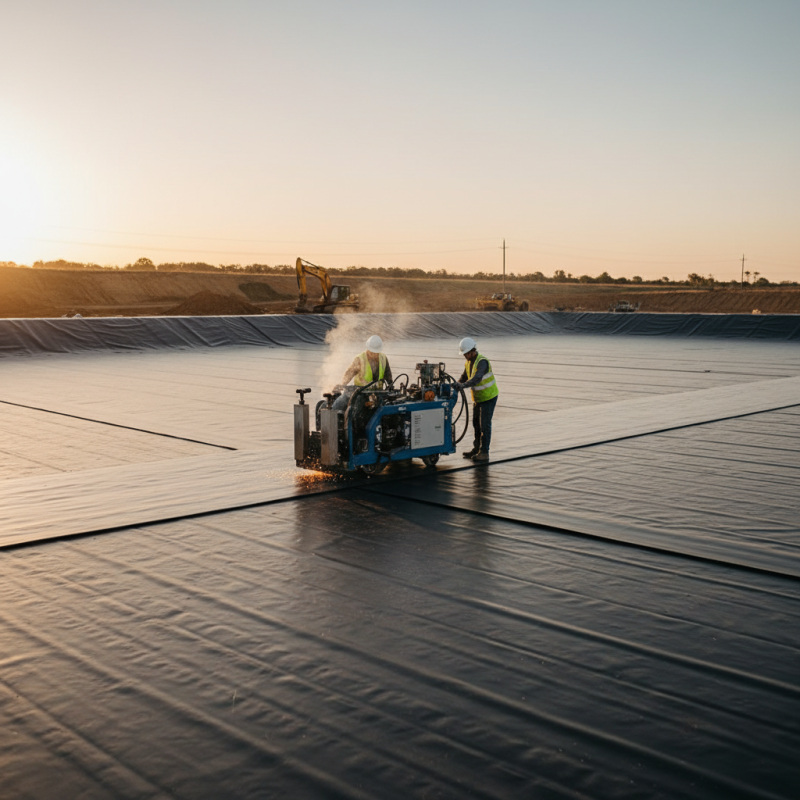
Geomembrane welding machines play a significant role in various construction and environmental projects. These machines create strong, impermeable seams in geomembranes used for lining landfills, ponds, and reservoirs. They ensure that leaks and contamination are minimized. The process might seem straightforward, but it requires skilled operators. Learning how to use these machines effectively can be challenging.
Understanding how geomembrane welding machines work is crucial. They use heat and pressure to join materials. Many types include extrusion and hot wedge welding systems. Each system serves different applications. Operators must know which type suits their project best. The welding process itself can be tricky. Uneven heating may lead to weak seams. Rigorous testing is necessary to avoid future issues.
Selecting the right machine is not just about specifications. It involves assessing project needs and material types. Some machines are heavier and less mobile. Other machines prioritize ease of use over sheer power. It’s essential to strike a balance. Operators may need to adapt their techniques based on environmental conditions. This adaptation can impact the quality of work, leading to reflections on procedures.
Geomembrane welding machines are crucial in modern construction and environmental projects. They offer significant advantages that enhance project efficiency. According to the Industrial Fabrics Association International (IFAI), the geomembrane market is expected to grow at a rate of 10% per year. This highlights the increasing reliance on these machines.
One major benefit is durability. Properly welded geomembranes can last over 30 years, providing long-term reliability. A report by Geosynthetics magazine shows that quality welding reduces leaks by up to 90%. This statistic is vital for projects such as landfill liners or water containment systems, where leaks can lead to environmental hazards. However, the quality of welding depends on the operator's skill and machine precision. Training is essential to avoid issues during installation.
Moreover, these machines are versatile. They can be used for various materials like PVC and HDPE. The flexibility in application enables projects to adapt to specific needs. Yet, not all machines perform equally, despite similar specifications. Some may struggle with intricate designs or thicker materials. It's important to assess the specific requirements of each project before choosing a welding machine. In the end, while geomembrane welding machines provide undeniable benefits, careful consideration in selection and training is crucial.
When selecting a geomembrane welding machine, several key features are vital. The welding process is crucial for ensuring the integrity of geomembranes in various applications, from landfill liners to water reservoirs. According to a report by Research and Markets, the geomembrane market is predicted to grow at a CAGR of 11.5% from 2021 to 2026. This growth highlights the importance of reliable equipment in executing projects effectively.
One primary feature to evaluate is the machine's heating capability. Consistent temperature controls prevent weak seams, which can lead to leakage issues. Thickness adjustments matter too; not all projects use the same materials. A recent study indicated that improper welding techniques could lead to a 20% increase in project costs due to repairs. Examining the ease of machine operation is also crucial. New operators may struggle with complex systems, impacting efficiency.
Another essential aspect is portability. Many projects occur in remote locations, necessitating a lightweight and easy-to-transport machine. However, cost is also a factor. High-end machines often provide advanced features but can be prohibitive for smaller contractors. Balancing these considerations is often challenging, which leads to diverse outcomes in project success.
Geomembrane welding finds applications across various industries, proving essential for effective containment solutions. In landfill projects, geomembranes help to prevent leachate and gas emissions. This protects the environment and public health. The welding process creates strong seams that enhance durability and longevity. However, achieving perfect welds depends on factors like temperature and pressure. Not all teams may have the necessary expertise.
In the water management sector, geomembranes are crucial for ponds and reservoirs. They prevent water loss and contamination, ensuring project viability. During installation, challenges like uneven surfaces can lead to flaws in welding. Addressing these issues requires skill and attention to detail, underscoring a learning opportunity for many professionals.
Furthermore, mining operations increasingly rely on geomembranes for tailings storage. These materials provide a reliable barrier against potential leaks. Yet, the maintenance of welding equipment is often overlooked. Regular checks are necessary to ensure optimal performance. Mistakes in maintenance can lead to costly repairs or even environmental damage. Each of these applications reveals the importance of precision and ongoing education in geomembrane welding.
Maintaining and operating a geomembrane welding machine effectively is crucial for project success. Regular maintenance can extend the lifespan of the equipment significantly. Reports suggest that proper care can increase machinery efficiency by up to 20%. This statistic highlights the need for attentive upkeep.
Operators should routinely check the heating elements and replace any worn parts promptly. Ignoring these aspects can lead to inconsistent welds. Over 30% of project delays are attributed to equipment malfunction. It’s often caused by insufficient maintenance practices.
Training operators is also essential. Knowledgeable staff can identify problems early. In fact, 40% of successful projects reported fewer issues when workers received comprehensive training. Regular training sessions improve operation efficiency and reduce costs. Remember, a well-maintained machine means fewer headaches on site.