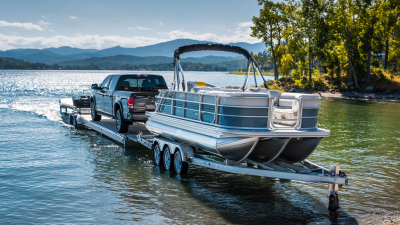
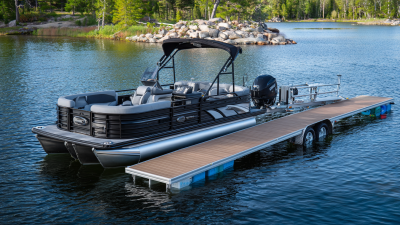
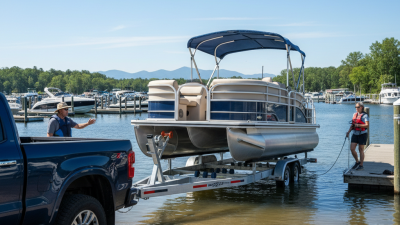
Choosing the right pontoon trailer can dramatically affect your boating experience. According to industry experts, the wrong trailer can lead to damage during transport. "A well-fitted pontoon trailer is crucial for safe boat transport," says John Becker, a veteran in the trailer industry. He emphasizes the importance of selection for both safety and convenience.
Recent reports indicate that nearly 30% of boating accidents occur during transport. Selecting the right pontoon trailer ensures your boat remains secure and protected. Consider factors like the trailer's weight capacity and compatibility with your pontoon size. Many buyers overlook these details, leading to costly mistakes.
Investing time in research can save you from future headaches. Some users have reported issues with their trailers due to improper matching. A pontoon trailer is not just a platform; it’s an investment in your boating journey. Prioritize quality and fit, or you might find yourself dealing with avoidable problems.
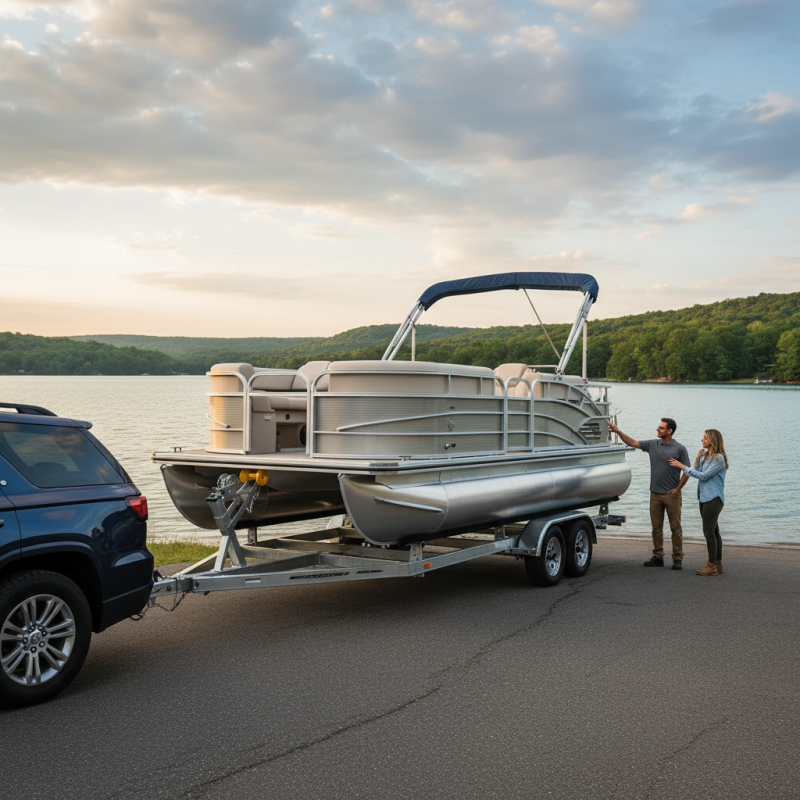
Choosing the right pontoon trailer is essential for any boat owner. Your pontoon boat's specifications dictate the type of trailer you need. Weight, length, and width are key factors. Measure your boat carefully. Don’t forget to consider any additional accessories you might have onboard.
A trailer that’s too small can damage your boat. Conversely, an oversized trailer may lead to instability. Ensure your trailer can handle the weight of your pontoon. If you’re unsure about the specifications, consult the manufacturer’s guide. Some owners skip this and regret their choice later.
Additionally, think about your towing vehicle. Not all vehicles can handle heavy loads. Make sure your vehicle is rated for what you plan to haul. Some trailers come with features that enhance ease of use. Look for adjustable bunks or brakes. However, don’t overlook the importance of a proper fit. A mismatch can lead to safety hazards.
When selecting a pontoon trailer, understanding trailer capacity and weight limits is crucial. Each trailer has specific specifications. It’s not just about the length; weight limits matter significantly. Exceeding these limits can cause safety issues. Therefore, check the gross vehicle weight rating (GVWR) of both the trailer and boat.
Take time to weigh your boat. Include passengers and gear. This will give a more accurate view of what you're hauling. A neglected detail might lead to overloading. An overloaded trailer can wear tires and cause frame damage. Even a small miscalculation can have big consequences on the road, leading to dangerous situations.
Don’t forget about tongue weight. Aim for a balance that supports your boat securely. Too much or too little can cause instability while towing. Consider your towing vehicle’s capacity as well. Ensuring compatibility with your trailer creates a safe experience. Overthinking this step can save time and stress later on.
When choosing a pontoon trailer, consider your specific needs. The type of watercraft you own greatly influences your decision. Each pontoon varies in size and weight. Make sure the trailer can accommodate these factors.
Look at the trailer's weight capacity and material. A sturdy trailer ensures better support and durability. However, not all trailers are equally designed. Sometimes, you might find trailers that look good but don't meet your requirements. Test and research before making a purchase.
Think about the features you need. Some trailers come with adjustable bunks or lights. These features can be very helpful. Yet, they may not be necessary for everyone. Reflect on your actual usage. Do you plan to travel long distances? Or is it for local trips? Answering these questions helps clarify your needs, guiding you towards the right choice.
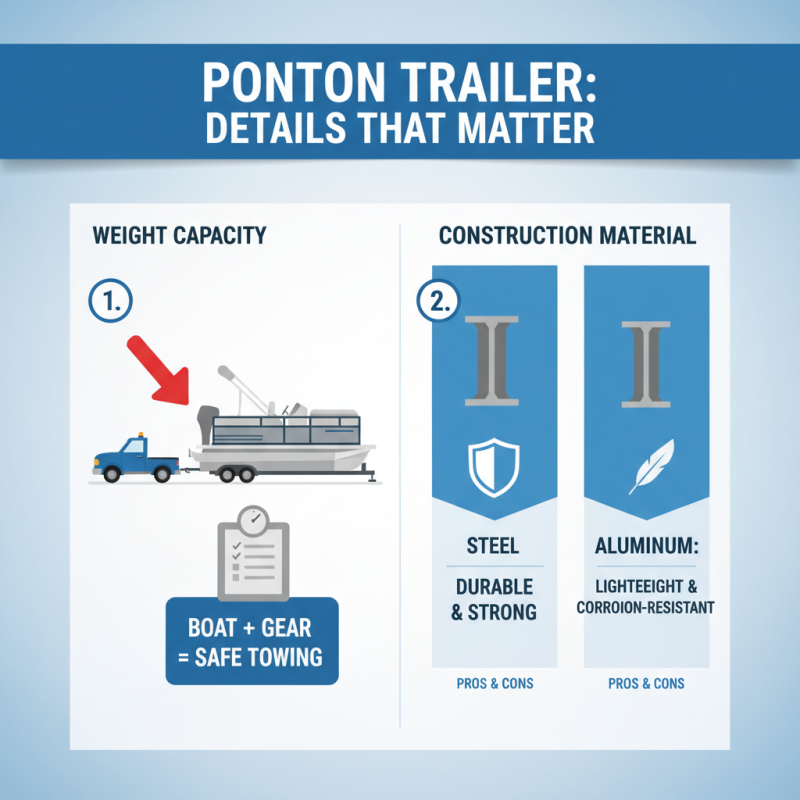
When choosing a pontoon trailer, the details matter. Start by considering the weight capacity. Ensure the trailer can handle your boat's weight, including gear. This step is crucial for safe towing. Look into the trailer's construction. Steel frames offer durability, while aluminum is lighter. Each material has pros and cons to weigh.
Pay attention to the features. A tilting trailer can make loading and unloading easier. Look for adjustable bunks that fit your pontoon well. If you often travel long distances, think about extra tires for stability. Accessories can enhance your experience too. For example, a guide-on system helps align the boat.
Don't forget about safety features. Brakes are essential for stopping power. Consider if you need additional lighting for visibility. Reflective strips can also improve safety at night. Sometimes, people overlook these elements in favor of aesthetics. However, functionality should rule over looks. Reflect on what suits your needs best.
When choosing a pontoon trailer, budget is a critical factor. Consider your initial costs. Quality trailers vary in price, and it’s easy to overspend. Research options that fit your budget. Don’t forget to include tax and registration fees in your calculations. Sometimes, cheaper alternatives might lead to higher repair costs later. It is essential to balance upfront expenses and long-term savings.
Long-term maintenance costs can also be daunting. Regular maintenance is a must. Basic upkeep includes inspecting tires, brakes, and lights. Neglecting these can lead to costly repairs. Ask yourself how often you will use the trailer. If it’s frequent, invest in a more durable model. Quality often translates to better performance and fewer issues. However, reassess your choices periodically. What seemed like a good idea last year may not apply now. Balancing cost with reliability is crucial in the decision-making process.