
0
  • WHY CHOOSE LOADRITE?
  • Register a Trailer
  • Dealer Portal
  • Contact
  • Trailers
  • Parts
    • Axle Assemblies & Parts
    • Lights & Electrical
    • Hull Support Systems
    • Spare Tire Carriers
    • Braking
    • Springs, Supports & Bushings
    • Couplers & Tongue Jacks
    • Trailer Accessories
    • Fender Components
    • Wheel Assemblies & Components
    • Frame Components
    • Winch Stand Parts
    • Hardware
  • Trailers 101
  • Resources
    • FAQs
    • Trailer Parts Store
    • Service Videos
    • Documents
    • Warranty Information
  • About
    • Why Choose Load Rite?
    • News
    • Become a Dealer
  • Blog

Boat Trailers

  • Boat Trailers
  • Bunk Models
  • Roller Models
  • Skiff/Jon Boat Trailers
  • Catamaran Trailers
  • Canoe/Kayak Trailers
  • Ski Boat & Inboard Trailers

Personal Watercraft
(PWC)

  • Personal Watercraft Trailers

Pontoon Trailers and Tritoon Trailers

  • Pontoon Trailers
  • Tritoon Trailers

Specialty & Custom

  • Utility Trailers
  • Custom Trailers
  • Sailboat Trailers
  • Australian Certified Trailers
  • Shipping & Storage Cradles
 |
How to Choose the Best 250cc Dirt Bike?

How to Choose the Best 250cc Dirt Bike?

Choosing the right 250 Cc Dirt Bike is less about picking the most powerful-looking model and more about matching the bike to your riding, body, and terrain. Off-road legend Malcolm Smith once said, “If you don’t do it this year, you’ll be one year older when you do.” That reminder may encourage riders to get out there, but a hasty purchase can turn a dusty trail ride into a tiring struggle.

Start with where you plan to ride. Tight woodland paths, open desert tracks, and a motocross circuit place different demands on a bike. Compare engine response, seat height, suspension adjustment, weight, and maintenance needs. For example, a tall seat may feel manageable in a showroom, then awkward when you stop on a sloped, rocky trail. Small details matter.

Your experience matters, too. A bike that feels exciting for five minutes may be demanding over a full afternoon. Sit on several models, check whether you can reach the controls comfortably, and ask a qualified dealer about service intervals and parts availability. Specs help, but they do not tell the whole story. This guide will break down the key choices, from riding style and fit to budget and upkeep. One honest caveat: “best” is personal, and a choice that looks perfect on paper can still feel wrong once the trail gets rough.
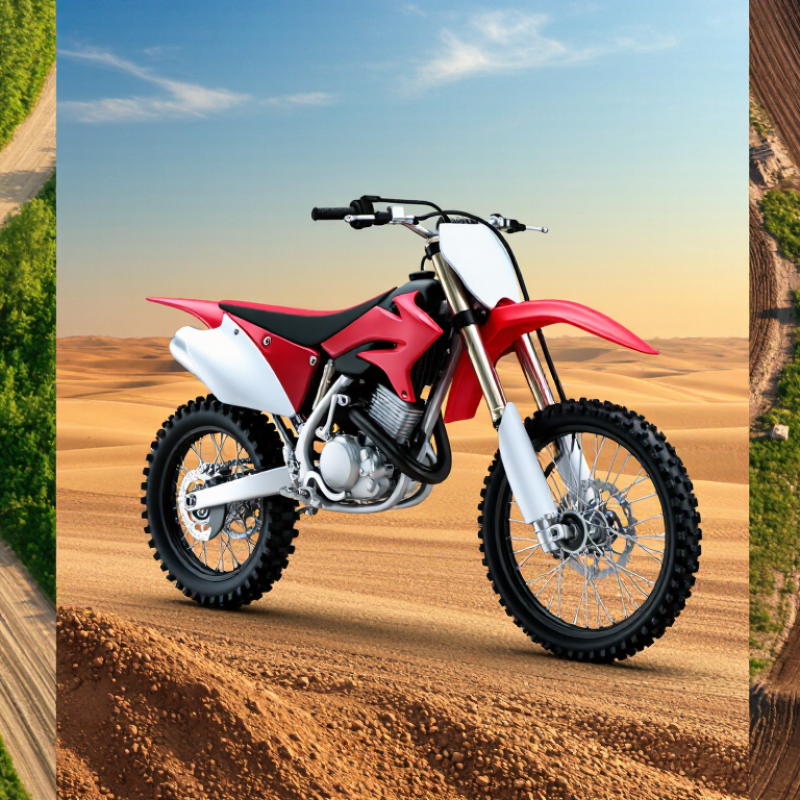
How to Choose the Best 250cc Dirt Bike?
Table of Contents [Hide]
1 Understanding 250cc Dirt Bike Types and Their Intended Uses
2 Matching Engine Performance and Bike Size to Rider Experience
3 Comparing Suspension, Brakes, Weight, and Ergonomics
4 Choosing a Bike for Terrain, Riding Style, and Maintenance Needs
5 Evaluating Models Through Research, Inspection, and Test Rides

Understanding 250cc Dirt Bike Types and Their Intended Uses

How to Choose the Best 250cc Dirt Bike?
Understanding 250cc Dirt Bike Types and Their Intended Uses

A 250cc label does not tell you how a bike will feel on the trail. Motocross models are built for closed tracks, with firm suspension, quick throttle response, and close-ratio gearing. That setup can feel tiring on rocky, slow routes. Trail bikes usually favor smoother power delivery, softer suspension, and easier low-speed control. Enduro models sit between those roles, often adding equipment for longer rides and varied terrain. Check the owner’s manual and test-ride where permitted; engine size alone is a poor shortcut.

The Motorcycle Industry Council’s 2023 Motorcycle Statistical Annual separates off-highway and dual-purpose motorcycles in its market data. That distinction is useful: a dual-sport 250 is designed for both road and trail use, while a dedicated dirt bike prioritizes off-road handling. Their tires, gearing, weight, and service needs can differ noticeably. A lightweight motocross bike may be lively over jumps but demanding in tight woods. Real conditions matter.

Tips: Match the bike to your typical terrain, not your most ambitious ride. For a narrow, muddy trail, look for manageable low-speed power and suitable tires. Check seat height, suspension adjustment, and maintenance intervals. These details are easy to overlook—and sometimes the “perfect” bike still feels wrong.

Typical Ready-to-Ride Weight Ranges for 250cc Dirt Bike Types

Approximate weight ranges in pounds; actual weights vary by model, engine type, fuel level, and equipment. Motocross bikes are built for closed-course tracks, trail bikes for recreational off-road riding, enduro bikes for challenging off-road routes, and dual-sport bikes for both paved roads and dirt. Use intended terrain and road-legal requirements—not weight alone—to guide your choice.

Matching Engine Performance and Bike Size to Rider Experience

A 250cc label does not tell the whole story. Two-stroke and four-stroke engines can deliver power very differently, even at the same displacement. A lively two-stroke may respond sharply when you open the throttle; a four-stroke often feels more gradual, though setup matters. Beginners should look for predictable response, controllable brakes, and a clutch they can operate smoothly—not peak horsepower alone. Ride a short, flat section if possible. Notice whether the bike surges when you add throttle.

Bike size matters just as much. While seated, check that you can reach the controls comfortably and shift your weight without stretching. You may not need both feet flat on the ground, but a very tall seat can make stops and tight turns harder for a newer rider. Ask a qualified mechanic to set suspension sag for your weight; poor setup can make a suitable bike feel awkward. Even experienced riders misjudge this sometimes.

NHTSA’s 2022 Traffic Safety Facts: Motorcycles recorded 6,218 motorcyclist deaths on public roads. That figure is not an off-road dirt-bike risk estimate, but it reinforces the value of control and training. A professional fit check and supervised practice can reveal more than displacement numbers alone. Don’t rush the choice.

Comparing Suspension, Brakes, Weight, and Ergonomics

A 250cc dirt bike may feel calm on a smooth lot, then harsh over braking bumps. Compare suspension on the same rough loop, not by showroom appearance. Watch whether the fork dives sharply under braking and whether the rear wheel skips across square-edged rocks. Ask about spring setup for your riding weight; a capable suspension can still feel wrong when poorly adjusted. Small controls matter. You should reach the brake and clutch levers without stretching, both seated and standing.

Brakes should respond predictably, with a firm lever and controllable bite. The Insurance Institute for Highway Safety reported a 31% lower fatal-crash rate for motorcycles with ABS in its 2013 analysis. That road-motorcycle result does not prove an off-road bike will stop the same way, but it underscores the value of controlled braking. Compare weight using ready-to-ride figures, including fuel, rather than dry numbers alone; lifting the bike after a slow tip-over is a useful reality check. Check seat height and handlebar reach in riding boots. Knees should grip the bike naturally, and your weight should shift forward without pulling you off balance. Fit is personal. I would still want a longer test ride before deciding.

Choosing a Bike for Terrain, Riding Style, and Maintenance Needs

How to Choose the Best 250cc Dirt Bike?

Terrain should shape your choice more than engine size alone. On tight, rocky trails, a lighter bike with predictable low-speed power is easier to place between stones. For open, sandy tracks, stable handling and responsive acceleration matter more. The USDA Forest Service’s 2007 Trail Construction and Maintenance Notebook generally treats grades below 10% as a useful trail-design target. Steeper climbs still demand traction, suitable gearing, and rider control. Small details matter. Check seat height and ground clearance against the trails you actually ride, not just a showroom floor.

Riding style changes the balance. Trail riders often benefit from smooth power delivery and suspension that absorbs roots without kicking back. Motocross riders may prefer firmer suspension and quick response for jumps and repeated landings. It is easy to overvalue peak power; fatigue and poor control can show up long before the engine feels weak. A short test ride over bumps, loose soil, and tight turns can reveal more than a specification sheet.

Maintenance needs deserve equal weight. Mud, sand, and dust can accelerate wear, so consider how easily you can clean the air filter, check chain tension, and inspect brake pads. The Motorcycle Safety Foundation’s T-CLOCS pre-ride checklist covers six areas: tires and wheels, controls, lights, oil, chassis, and stands. That trade-off matters. If your schedule is tight, a bike with straightforward access to routine service points may suit you better than a more demanding setup.

How to Choose the Best 250cc Dirt Bike? - Choosing a Bike for Terrain, Riding Style, and Maintenance Needs

Bike type Best suited terrain Typical riding style What to look for Maintenance considerations Good choice if you…
250cc four-stroke trail bike Forest paths, mixed dirt trails, and moderate hills Recreational riding at a steady pace, including longer trail outings Manageable power delivery, comfortable ergonomics, suitable gearing, and a cooling system appropriate for slow riding Clean and inspect the air filter after dusty rides; check oil, chain, brakes, and fasteners on the schedule in the owner's manual You value tractable power and general-purpose trail performance
250cc motocross bike Prepared tracks with jumps, berms, and maintained surfaces Fast laps, racing, and frequent hard acceleration Firm, adjustable suspension; strong brakes; and power delivery that matches your experience and track conditions Hard use can require frequent inspection and servicing. Follow the model-specific schedule for engine oil, valve clearance, filters, and suspension You mainly ride on a track and are prepared for more frequent upkeep
250cc enduro bike Technical single-track, rocky routes, and varied off-road terrain Longer off-road rides that may include slow, difficult sections Suspension suited to rough ground, a useful gearbox range, protective equipment, and lighting if required for your riding area Mud and water crossings make post-ride cleaning and inspection important; service intervals vary by model and riding conditions You need a bike for challenging trails rather than track-focused riding
250cc two-stroke off-road bike Technical trails, steep climbs, and terrain where responsive power is useful Riding that benefits from a lively power character and active gear selection Predictable power delivery, gearing for your terrain, and a seat and controls that fit your body Check the air filter and fuel system regularly; engine and top-end service needs depend on the model, hours, and riding intensity You are comfortable with a more responsive engine and its model-specific maintenance routine
Beginner-friendly 250cc setup Easy trails and open dirt areas appropriate for your skill level Learning basic control, balance, braking, and cornering Smooth throttle response, a comfortable reach to the ground, appropriate seat height, and controls that are easy to operate Routine checks are essential for every rider; choose a design and service plan you can maintain consistently You want confidence and control more than maximum track performance
Key comparison checks Match tire type and suspension setup to the surfaces you ride most often Consider your experience, ride duration, speed, and whether you ride alone or with a group Sit on the bike, assess the fit, inspect the controls, and check parts availability in your area Use the owner's manual for exact fluid specifications and service intervals; dusty, wet, or aggressive riding may call for more frequent checks You want to compare practical fit, terrain capability, and ongoing ownership needs before buying

Specifications and service intervals differ among models. Confirm details in the owner's manual and check local rules before riding.

Evaluating Models Through Research, Inspection, and Test Rides

How to Choose the Best 250cc Dirt Bike?

Evaluating Models Through Research, Inspection, and Test Rides

Start with the kind of riding you actually do. A 250cc bike used on tight forest trails may need different gearing and suspension than one ridden on open tracks. Compare seat height, weight, engine type, maintenance intervals, and parts availability. Read owner reports alongside technical specifications; one source can miss recurring problems. Keep notes. A simple table helps reveal trade-offs.

Inspect each candidate in daylight, preferably with a knowledgeable mechanic. Look for oil around fork seals, unevenly worn sprockets, loose spokes, and a dirty or damaged air filter. Ask to see maintenance records, then check whether the engine starts cold without unusual smoke or knocking. Cosmetic wear is not always serious, but vague answers about servicing deserve caution. I might overlook a small fault when excited about a bike. That is worth admitting.

A test ride can expose issues that photos and specifications cannot. Use a suitable, controlled riding area and begin at a comfortable pace. Notice whether the bike feels manageable when turning, stopping, and standing on the pegs. Test the clutch engagement and brakes, then pay attention to suspension over small bumps. Take notes immediately afterward; impressions fade fast. One short ride is imperfect evidence, so avoid treating it as proof of long-term reliability. Compare several bikes under similar conditions, and prioritize the model that fits your body, skill, and regular terrain.

Article Source:

  • Scooter Pris
  • 250 Cc Dirt Bike Motor
  • Trailers
  • Parts
  • About
  • Contact
  • Find a Dealer
1-800-LOADRTE
©2017 - 2025 Load Rite Trailers, Inc
  • Terms & Conditions
  • Privacy
  • Site Map