
0
  • WHY CHOOSE LOADRITE?
  • Register a Trailer
  • Dealer Portal
  • Contact
  • Trailers
  • Parts
    • Axle Assemblies & Parts
    • Lights & Electrical
    • Hull Support Systems
    • Spare Tire Carriers
    • Braking
    • Springs, Supports & Bushings
    • Couplers & Tongue Jacks
    • Trailer Accessories
    • Fender Components
    • Wheel Assemblies & Components
    • Frame Components
    • Winch Stand Parts
    • Hardware
  • Trailers 101
  • Resources
    • FAQs
    • Trailer Parts Store
    • Service Videos
    • Documents
    • Warranty Information
  • About
    • Why Choose Load Rite?
    • News
    • Become a Dealer
  • Blog

Boat Trailers

  • Boat Trailers
  • Bunk Models
  • Roller Models
  • Skiff/Jon Boat Trailers
  • Catamaran Trailers
  • Canoe/Kayak Trailers
  • Ski Boat & Inboard Trailers

Personal Watercraft
(PWC)

  • Personal Watercraft Trailers

Pontoon Trailers and Tritoon Trailers

  • Pontoon Trailers
  • Tritoon Trailers

Specialty & Custom

  • Utility Trailers
  • Custom Trailers
  • Sailboat Trailers
  • Australian Certified Trailers
  • Shipping & Storage Cradles
 |
How to Choose the Best Back Stretcher Board in 2026?

How to Choose the Best Back Stretcher Board in 2026?

Choosing the best Back Stretcher Board in 2026 is less about finding the most dramatic curve and more about matching a product to your body, routine, and comfort. Two boards can look nearly identical online yet feel very different beneath your back. Arch height, adjustability, material, surface grip, and overall stability all deserve a closer look. Small details matter. A board that slides on a smooth floor or presses sharply against your spine may be difficult to use consistently.

This guide will help you compare those features without treating a back stretcher as a cure or a substitute for professional care. Start by checking the manufacturer’s dimensions, weight limit, assembly instructions, and cleaning guidance. Then consider where you plan to use it: a firm mat, for example, may feel more stable than a soft carpet. If possible, choose a design with gradual settings rather than assuming the deepest arch is best. Comfort is useful feedback, but it does not confirm that a device is medically suitable. People with ongoing pain, recent injuries, or existing spinal conditions should ask a qualified healthcare professional before use.

There is no perfect board for everyone. That is worth admitting. Personal comfort can vary, and product descriptions may not reveal how a device feels during a short session at home. By comparing practical details and setting realistic expectations, you can make a more informed choice—and know when to pause and seek expert advice.
How to Choose the Best Back Stretcher Board in 2026?
Table of Contents [Hide]
1 What a Back Stretcher Board Is and How It Works
2 Which Types of Back Stretcher Boards Are Available in 2026?
3 How to Compare Adjustability, Materials, Fit, and Support
4 How to Match a Board to Your Needs and Safety Limits
5 How to Assess Ease of Use, Durability, and Value

What a Back Stretcher Board Is and How It Works

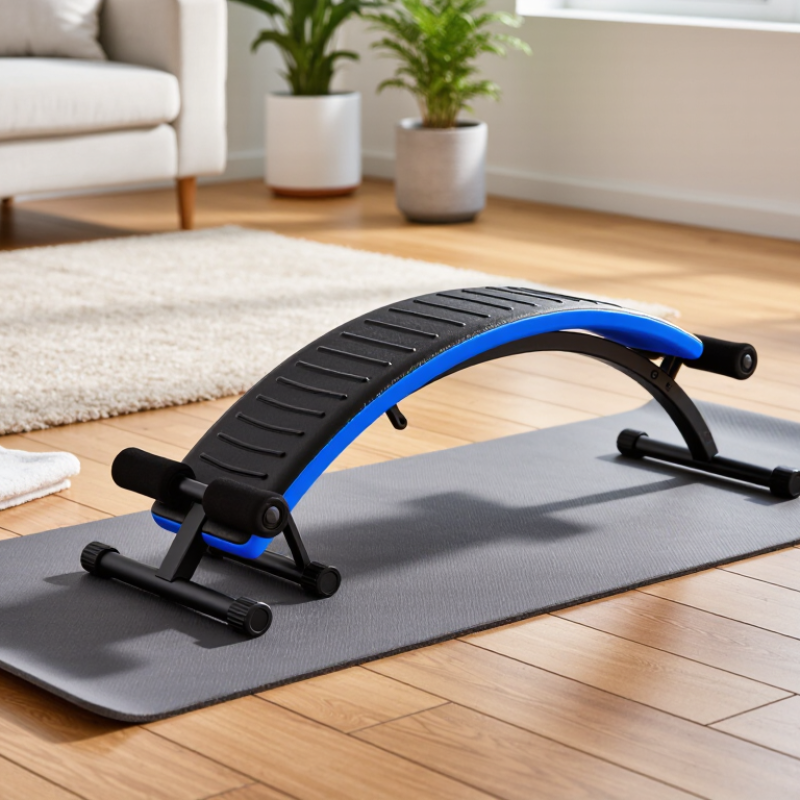
A back stretcher board is a curved platform that supports the body while the spine rests in a gently extended position. Many designs include adjustable height settings and raised contact points that press against the back. You lie down slowly, then let your body weight create a mild arch.

The stretch should feel controlled, not sharp. Think of opening a stiff folding chair, not forcing a bent branch straight. Some people use the board briefly after sitting for hours, but results vary, and the sensation can take getting used to.

The need for back-care options is substantial: the World Health Organization reported that low back pain affected 619 million people worldwide in 2020, with cases projected to reach 843 million by 2050.

That figure describes the condition, not the effectiveness of stretcher boards. A board is a positioning tool, not a proven cure or a substitute for diagnosis.

Start with a low setting and a short session, keeping your breathing easy. Stop if pain, numbness, or tingling worsens. Small detail, but important.

People with recent injuries, osteoporosis, or unexplained back pain should ask a qualified health professional before trying one.

The “best” board is not necessarily the most rigid one; comfort, stability, and safe adjustment matter more. The fit is not always obvious.

Which Types of Back Stretcher Boards Are Available in 2026?

Back stretcher boards generally come in fixed-arch, adjustable, and inflatable designs. A fixed-arch board has one curved shape and is usually simple to set up. Its firm ridges may feel intense against the back, especially during a first session. Not always gentle. An adjustable board uses several height settings, often changed by moving a support bar into different slots. Start with the lowest setting; a higher arch is not automatically better. Inflatable models let users change the curve by adding or releasing air. Small changes matter. They can be easier to pack, though the feel may differ from a rigid board.

Some boards fold for storage, while others stay in one piece; folding describes portability, not necessarily the stretching mechanism. Check that the board sits flat on the floor and has a surface that does not slide easily. Look closely at the contact points, too: narrow, hard ridges may press sharply, while broader contours spread pressure more evenly. Materials and dimensions affect comfort, but personal fit matters most. A practical test is whether you can lie down and get up without twisting awkwardly. Use the device only as directed, stop if pain, numbness, or tingling develops, and ask a qualified health professional for advice if you have a back condition or persistent symptoms. I might favor adjustability, but more parts can also mean more setup.

How to Compare Adjustability, Materials, Fit, and Support

Choosing a back stretcher board means comparing more than its number of settings. Adjustable arches let you begin with a gentler curve and increase it gradually. Check that each position locks firmly and is easy to change. A loose setting is a poor surprise. Materials matter, too: molded plastic is light and simple to wipe clean, while padded contact points may feel less harsh against clothing. Look closely at the edges and surface; rough seams can become irritating during a short session.

Fit depends on your body and where the board rests. Check its length and width against your back, and make sure it sits on a stable, level floor. If your shoulders or hips extend beyond the support area, another shape may suit you better. The board should feel steady, not force your body into a deep arch. Start with a low setting and brief use, following the maker’s instructions. Stop if you feel sharp pain, numbness, or worsening discomfort, and ask a qualified health professional for guidance if you have a back condition. I would not assume that more flexibility means better support; sometimes a simpler board feels more secure.

How to Match a Board to Your Needs and Safety Limits

A back stretcher board should fit your body, mobility, and reason for using it—not just promise a deeper arch. The World Health Organization’s 2023 low back pain fact sheet estimates that 619 million people experienced low back pain in 2020, with cases projected to reach 843 million by 2050. That scale makes careful product choice important, but it does not mean a board suits everyone. Check its length, width, surface grip, and adjustment steps. Your shoulders and hips should feel supported, while your feet can stay flat and steady nearby. Small details matter.

Match the curve to your tolerance. If you are new to stretching, choose a board with several gentle settings rather than a fixed, steep arch. Start on the lowest setting for a brief session, and stop if you feel sharp pain, tingling, numbness, or worsening symptoms. The CDC reported that 20.9% of U.S. adults had chronic pain in 2021; that figure is a reminder that pain experiences vary, not a reason to self-diagnose. If you have a recent injury, osteoporosis, balance problems, or persistent pain, ask a qualified clinician before using a board. A stretch can feel satisfying and still be too much. I’d be cautious about that.

How to Choose the Best Back Stretcher Board in 2026? - How to Match a Board to Your Needs and Safety Limits

Board configuration Typical adjustment May suit Safety and fit checks What to verify before buying
Fixed, low arch One arch height; no position changes Beginners who want a simple, lower-intensity option Start with a brief session and stop if pain, numbness, or tingling develops. Check that the board stays stable on the floor. Dimensions, surface grip, construction, and the stated maximum user weight
Adjustable, 2–3 positions Several preset arch heights, commonly selected by repositioning a support Users who want to begin at a lower setting and adjust gradually Confirm each setting locks securely before use. A higher arch is not automatically more suitable or more effective. How positions are changed, whether the lock is secure, and whether adjustment instructions are clear
Adjustable, multiple positions A wider choice of preset heights; the number varies by product People who value more choice in arch height, provided they can use it comfortably Use the lowest comfortable setting first. Do not force the back into an uncomfortable position or exceed the product instructions. The actual arch-height range, stability at every setting, and any stated user-weight limit
Wide or extended support board May offer a wider contact area or longer support surface; size varies Users who need to compare board width and length with their body size and available floor space Check that the body is supported as intended and that the board does not rock or slide. Larger dimensions do not guarantee a better fit. Usable surface dimensions, storage footprint, floor contact, and load rating
Board with raised contact points May include molded bumps or textured areas; design and spacing vary Users who prefer a textured surface and can tolerate the contact comfortably Avoid pressure on painful, bruised, irritated, or numb areas. Stop if the texture causes sharp pain or skin irritation. Contact-point shape, spacing, surface finish, and cleaning instructions
Board with head or neck support May include a separate or integrated head-support area Users seeking a design that accommodates head placement; suitability depends on individual comfort Keep the neck comfortable and neutral. Do not use a feature that creates neck pressure, dizziness, or pain. Head-support dimensions, setup instructions, and whether the feature can be adjusted or removed

Safety note: There is no universal safe user-weight limit or arch height for all back stretcher boards. Follow the specific product’s instructions and stated load rating, place it on a stable surface, and begin gently. Seek advice from a qualified healthcare professional before use if you have a current or recent back injury, osteoporosis, a spinal condition, have had spinal surgery, or are unsure whether stretching is appropriate for you. Stop use if symptoms worsen or new pain, numbness, weakness, or tingling occurs.

How to Assess Ease of Use, Durability, and Value

How to Choose the Best Back Stretcher Board in 2026?

Ease of use starts with setup. A board should sit securely on a flat floor, with adjustment steps you can change without wrestling with the device. Check whether the angle changes smoothly and whether your feet can reach the floor comfortably. Small details count. A clear instruction sheet and a grip that does not slip can make a short session less frustrating. Start at a gentle setting, and stop if you feel sharp pain, tingling, or worsening discomfort. For persistent back symptoms, ask a qualified health professional whether this tool is appropriate for you.

Durability is more than a sturdy-looking frame. Look for solid joints, evenly finished edges, and materials that do not flex noticeably under your weight. Check the stated weight limit and clean the board as directed. If it has moving parts, inspect them occasionally for looseness or wear. I still find that product descriptions can make durability sound certain; real use may reveal issues they do not mention.

Value depends on fit, not the lowest price. Compare the number of useful angle settings, storage needs, warranty terms, and return conditions. A compact board may suit a small apartment, while a broader base can feel steadier on the floor. Try to judge whether you will use it consistently. That part is easy to misjudge. A simple, comfortable option may offer better value than one with features you never touch.

Article Source:

  • Full Body Traction Device
  • Full Body Traction
  • Trailers
  • Parts
  • About
  • Contact
  • Find a Dealer
1-800-LOADRTE
©2017 - 2025 Load Rite Trailers, Inc
  • Terms & Conditions
  • Privacy
  • Site Map