0
  • WHY CHOOSE LOADRITE?
  • Register a Trailer
  • Dealer Portal
  • Contact
  • Trailers
  • Parts
    • Axle Assemblies & Parts
    • Lights & Electrical
    • Hull Support Systems
    • Spare Tire Carriers
    • Braking
    • Springs, Supports & Bushings
    • Couplers & Tongue Jacks
    • Trailer Accessories
    • Fender Components
    • Wheel Assemblies & Components
    • Frame Components
    • Winch Stand Parts
    • Hardware
  • Trailers 101
  • Resources
    • FAQs
    • Trailer Parts Store
    • Service Videos
    • Documents
    • Warranty Information
  • About
    • Why Choose Load Rite?
    • News
    • Become a Dealer
  • Blog

Boat Trailers

  • Boat Trailers
  • Bunk Models
  • Roller Models
  • Skiff/Jon Boat Trailers
  • Catamaran Trailers
  • Canoe/Kayak Trailers
  • Ski Boat & Inboard Trailers

Personal Watercraft
(PWC)

  • Personal Watercraft Trailers

Pontoon Trailers and Tritoon Trailers

  • Pontoon Trailers
  • Tritoon Trailers

Specialty & Custom

  • Utility Trailers
  • Custom Trailers
  • Sailboat Trailers
  • Australian Certified Trailers
  • Shipping & Storage Cradles
 |
How to Choose the Right Trailer Tongue for Your Needs?

How to Choose the Right Trailer Tongue for Your Needs?

Choosing the right trailer tongue is crucial for safe towing. A suitable trailer tongue ensures stability and security during transport. Your vehicle’s capabilities, the trailer’s weight, and your intended use are all key factors.

Understanding different types of trailer tongues can be overwhelming. There are A-frame, straight, and adjustable options. Each serves different needs and styles. You might find it challenging to select the appropriate one. It’s easy to overlook details like coupler size or weight capacity. These can greatly affect your towing experience.

Consider your unique circumstances as you decide. A trailer tongue that works for one person may not suit you. Pay attention to quality and compatibility. Don’t rush through this decision. Reflect on your needs carefully. A well-chosen trailer tongue can enhance your safety and enjoyment on the road.
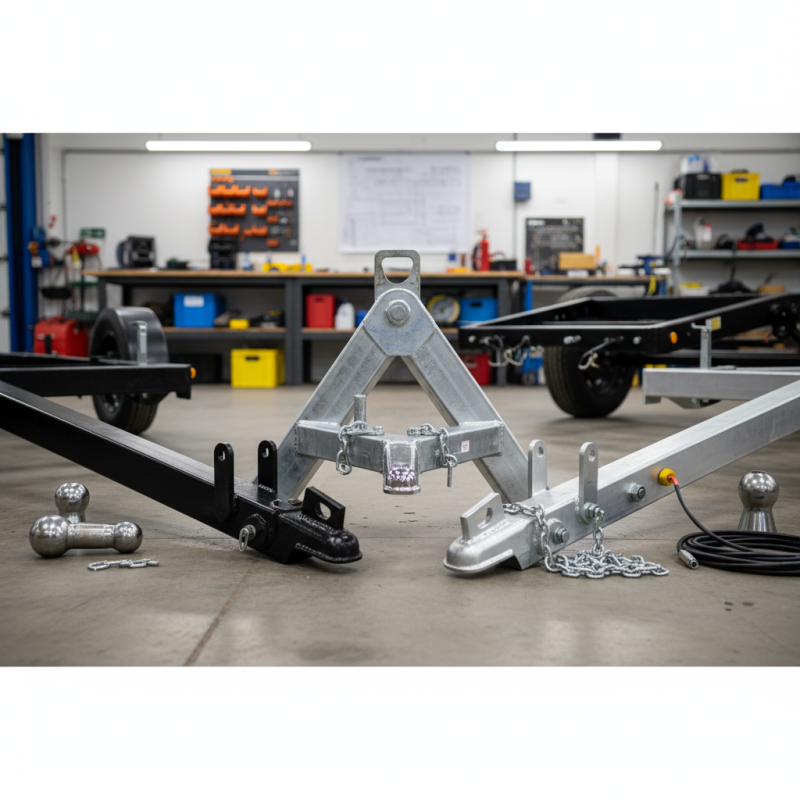
How to Choose the Right Trailer Tongue for Your Needs?
Table of Contents [Hide]
1 Understanding the Different Types of Trailer Tongues Available
2 Evaluating Your Vehicle’s Towing Capacity and Compatibility
3 Assessing the Weight and Size Requirements for Your Trailer
4 Identifying Specific Features and Accessories for Your Trailer Tongue
5 Making the Final Decision: Factors Influencing Your Choice

Understanding the Different Types of Trailer Tongues Available

When choosing a trailer tongue, understanding the different types available is essential. There are several styles: A-frame, straight, and adjustable. Each design serves unique purposes, impacting towing capacity and stability. According to the Trailer Manufacturers Association, nearly 30% of trailer accidents are attributed to improper hitching. Selecting the wrong type can lead to serious issues.

A-frame tongues are popular for their stability, especially for smaller trailers. This design allows for better weight distribution. In contrast, straight tongues are more straightforward but may not provide the same stability. The adjustable type allows users to modify the length, accommodating various towing vehicles. Data shows that 40% of users switch to adjustable tongues for versatility. However, they require careful adjustment.

Consider your towing needs before making a decision. Not all trailer tongues are created equal. Always check the weight rating, which varies by type. This is a common oversight. Many users underestimate the importance of these ratings, leading to safety concerns. The right tongue can make a significant difference in performance. Ignoring these factors could lead to unexpected challenges on the road.

How to Choose the Right Trailer Tongue for Your Needs?

Trailer Tongue Type Description Best Use Case Weight Capacity
A-Frame Tongue Shaped like an "A" for added stability and easier hitching. Light to medium-duty trailers. Up to 3,500 lbs
Straight Tongue A simple, straight design that connects to the trailer frame. Utility and car hauler trailers. Up to 5,000 lbs
Tapered Tongue Narrower at the front, useful for improved aerodynamics. Enclosed trailers and aerodynamic applications. Up to 7,000 lbs
Gooseneck Tongue Extends over the truck bed for better weight distribution. Heavy-duty trailers for cargo or livestock. Up to 30,000 lbs
Fifth Wheel Tongue Connects to a hitch that lies in the bed of a pickup truck. Travel trailers and large RVs. Up to 25,000 lbs

Evaluating Your Vehicle’s Towing Capacity and Compatibility

How to Choose the Right Trailer Tongue for Your Needs?

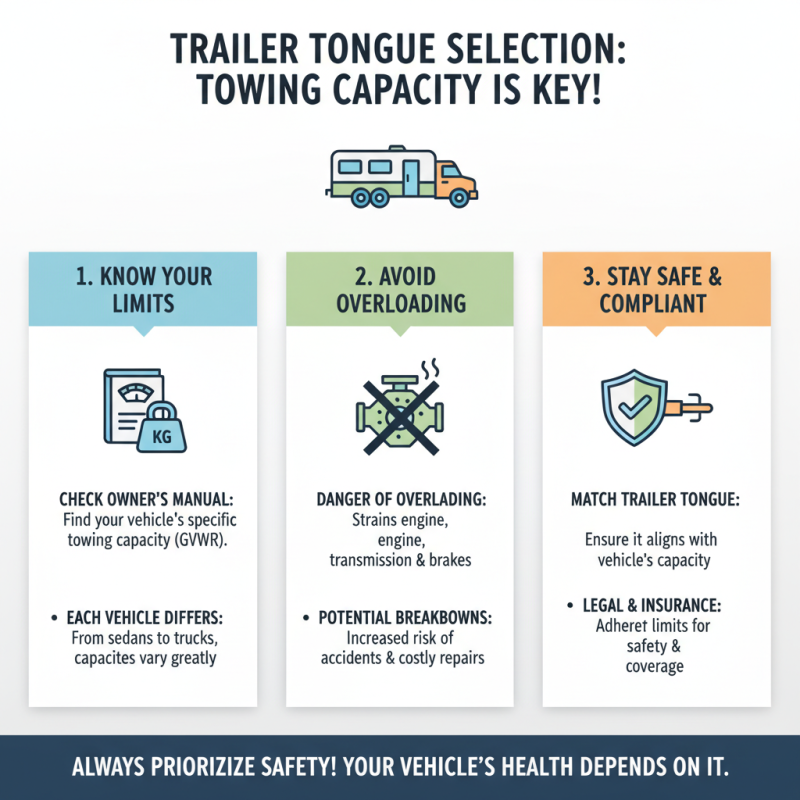
When choosing a trailer tongue, evaluating your vehicle’s towing capacity is critical. Each vehicle can haul a different weight. Check your owner’s manual for the specific towing capacity listed. It’s essential to adhere to this limit. Overloading can strain your vehicle, leading to potential breakdowns.

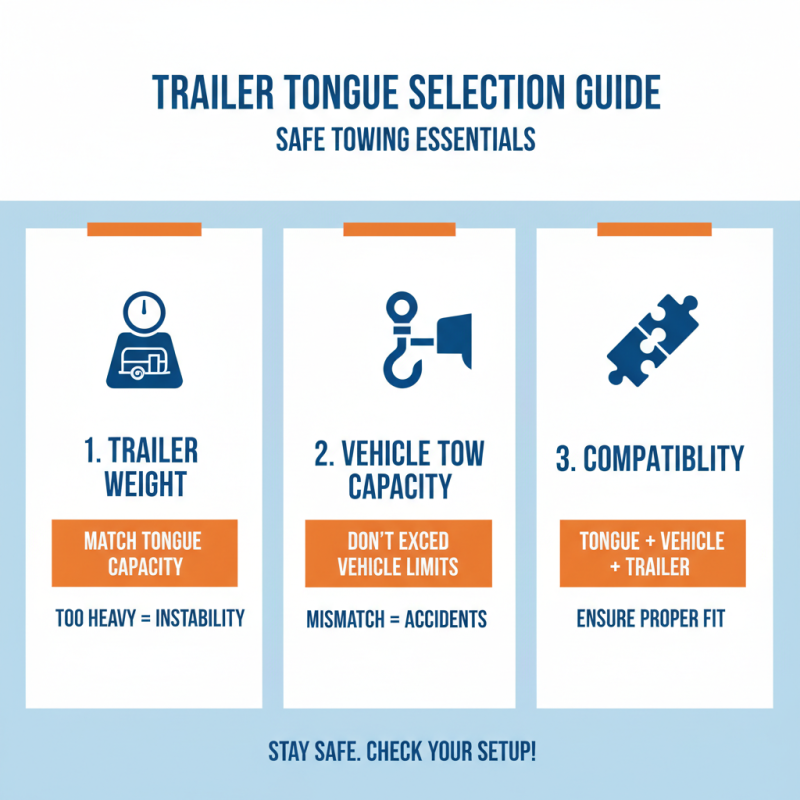
Next, consider compatibility. Not all trailer tongues fit all vehicles. You need to choose one that matches your hitch type. A mismatch can result in dangerous situations on the road. Ensure that the size and design of the tongue suit your specific needs. Take your time here. A rushed decision might lead to issues later on.

Thinking ahead is also important. Will you need to upgrade your vehicle in the future? This can affect your choice. Often, people overlook future plans. It leads to regrettable purchases. Remember to factor in your typical load, road conditions, and travel frequency. Each detail shapes your choice and determines your towing experience.

Assessing the Weight and Size Requirements for Your Trailer

When choosing a trailer tongue, understanding weight and size is crucial. The trailer’s weight dictates the type of tongue needed. A light trailer may require a simpler design. In contrast, heavier trailers need more robust solutions. Overloading a tongue can lead to accidents. It is essential to know the total weight, including payload.

Size also matters significantly. The length of the tongue affects maneuverability and stability. A longer tongue can allow for sharper turns but may be harder to control. Conversely, a shorter tongue can be easier to manage but may limit turning radius. It's important to balance comfort and practicality.

Many people overlook these factors. They might buy based on looks or price alone. Doing so can lead to costly mistakes. It’s vital to reevaluate needs and specifications. Always measure twice and verify weights. This extra step can save time and frustration later. Making an informed choice is better than making a hasty one.

Identifying Specific Features and Accessories for Your Trailer Tongue

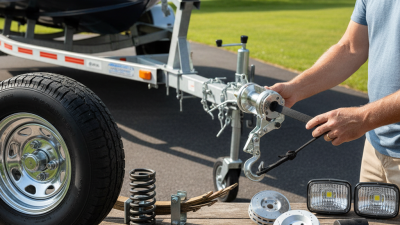
Choosing the right trailer tongue involves understanding specific features and accessories that meet your needs. A trailer tongue's capacity is crucial. Most commercial trailers have their weight capacities clearly marked. According to industry data, over 25% of accidents occur due to improper loading or tongue weight distribution. A well-chosen tongue ensures balance.

Consider adjustable height features. This can improve towing performance, especially on uneven terrain. Many users overlook this aspect. A variable height can prevent inconsistent wear on tires and axles. While some may be hesitant to invest in this, it often leads to long-term savings.

Safety accessories are equally important. Safety chains, locks, and couplers improve overall stability. Reports show that trailers equipped with these features reduce incident rates by nearly 15%. Still, users often forget to regularly check these accessories, leading to potential hazards. This oversight can turn a simple trip into a risky venture. Reflecting on these points can help ensure safer towing experiences.

Making the Final Decision: Factors Influencing Your Choice

How to Choose the Right Trailer Tongue for Your Needs?

Choosing the right trailer tongue is crucial for safe towing. Consider the weight of the trailer. If it’s too heavy for the tongue, you may face stability issues. Also, think about the vehicle's towing capacity. Mismatching these can lead to accidents.

Next, evaluate your towing frequency. Occasional users may prefer a simple design. Frequent users might need something more durable. The material of the trailer tongue matters too. Steel is strong but heavy. Aluminum is lighter but can be less robust. Think about how often you will be lifting it.

Finally, reflect on your budget. High-quality options often come with a higher price. However, investing in a reliable tongue can prevent costly damages down the line. Be cautious of very cheap options. They may save money initially but could lead to safety risks later. Select a tongue that balances quality and price effectively.

Related Posts

  • Understanding What is a Trailer Tongue and Its Importance in Towing

    Understanding What is a Trailer Tongue and Its Importance in Towing

  • How to Choose the Best Trailer Kit for Your Needs and Budget

    How to Choose the Best Trailer Kit for Your Needs and Budget

  • Ultimate Guide to Choosing the Right Enclosed Trailers for Your Needs

    Ultimate Guide to Choosing the Right Enclosed Trailers for Your Needs

  • 5 Essential Utility Trailer Parts You Need for Optimal Performance

    5 Essential Utility Trailer Parts You Need for Optimal Performance

  • Essential Tips for Choosing the Perfect Jet Ski Trailer for Your Adventure Needs

    Essential Tips for Choosing the Perfect Jet Ski Trailer for Your Adventure Needs

  • 2025 Top 10 Essential Boat Trailer Parts You Can't Afford to Miss

    2025 Top 10 Essential Boat Trailer Parts You Can't Afford to Miss

Blog Tags:

  • trailer hitch
  • trailer coupler
  • towing accessories
  • trailer parts
  • heavy-duty trailer equipment
  • trailer safety components
  • Trailers
  • Parts
  • About
  • Contact
  • Find a Dealer
1-800-LOADRTE
©2017 - 2025 Load Rite Trailers, Inc
  • Terms & Conditions
  • Privacy
  • Site Map