
0
  • WHY CHOOSE LOADRITE?
  • Register a Trailer
  • Dealer Portal
  • Contact
  • Trailers
  • Parts
    • Axle Assemblies & Parts
    • Lights & Electrical
    • Hull Support Systems
    • Spare Tire Carriers
    • Braking
    • Springs, Supports & Bushings
    • Couplers & Tongue Jacks
    • Trailer Accessories
    • Fender Components
    • Wheel Assemblies & Components
    • Frame Components
    • Winch Stand Parts
    • Hardware
  • Trailers 101
  • Resources
    • FAQs
    • Trailer Parts Store
    • Service Videos
    • Documents
    • Warranty Information
  • About
    • Why Choose Load Rite?
    • News
    • Become a Dealer
  • Blog

Boat Trailers

  • Boat Trailers
  • Bunk Models
  • Roller Models
  • Skiff/Jon Boat Trailers
  • Catamaran Trailers
  • Canoe/Kayak Trailers
  • Ski Boat & Inboard Trailers

Personal Watercraft
(PWC)

  • Personal Watercraft Trailers

Pontoon Trailers and Tritoon Trailers

  • Pontoon Trailers
  • Tritoon Trailers

Specialty & Custom

  • Utility Trailers
  • Custom Trailers
  • Sailboat Trailers
  • Australian Certified Trailers
  • Shipping & Storage Cradles
 |
What Is the Club Steering Lock and How Does It Work?

What Is the Club Steering Lock and How Does It Work?

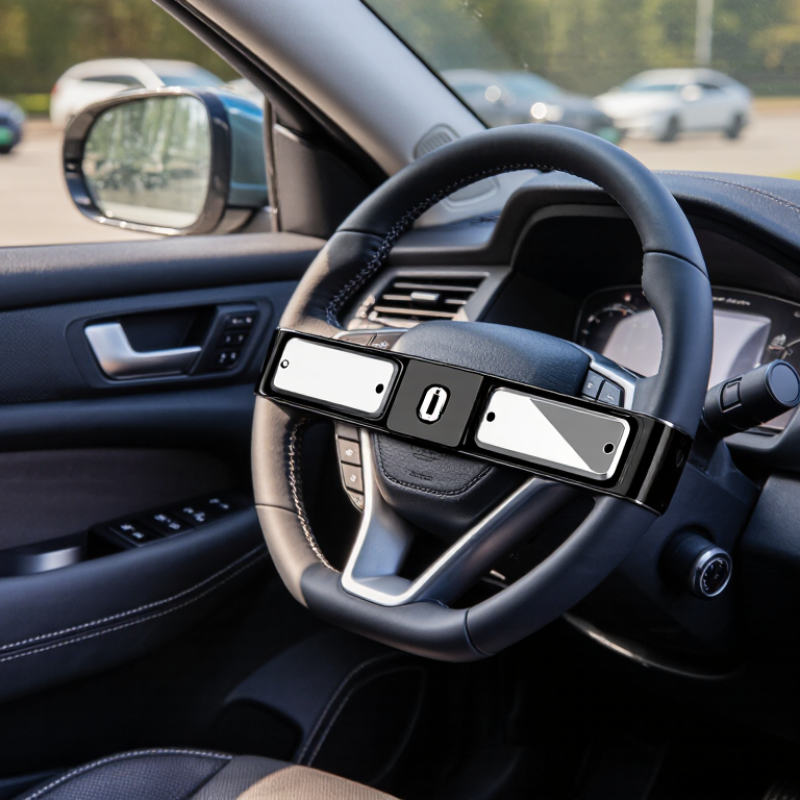
The Club Steering Lock is a visible, removable device designed to make a parked vehicle harder to steer. It typically stretches across the steering wheel and locks into place, often with a hardened bar that blocks a full turn. The exact design varies by model. A key or combination mechanism secures the device, and unlocking it allows the driver to remove it before driving.

The idea is simple. A thief may notice the bright metal bar through the window and decide that another vehicle looks easier to take. If someone does try to move the car, the lock restricts steering. It does not disable the engine, prevent every method of entry, or guarantee that a vehicle cannot be stolen. That distinction matters. Treating any single device as complete protection creates false confidence.

Before buying one, check that it fits your steering wheel and can be installed without blocking important controls or damaging the interior. Practice fitting it while parked; the first attempt can feel awkward, especially in a tight space. Keep its key accessible, but not inside the vehicle. A steering lock works best alongside sensible habits, such as locking doors, removing valuables, and choosing a well-lit parking spot. Small details count. It is also worth checking the product instructions regularly, since wear or a loose fit can reduce its usefulness. No device is perfect, and this one is not.
What Is the Club Steering Lock and How Does It Work?
Table of Contents [Hide]
1 What Is a Club Steering Lock?
2 Key Parts and Their Functions
3 How to Install the Lock on a Steering Wheel
4 How the Lock Restricts Steering Movement
5 Types, Limitations, and Safety Considerations

What Is a Club Steering Lock?

A club steering lock is a removable metal bar that attaches across a vehicle’s steering wheel. Its length and locking ends make the wheel difficult to turn freely. The device is usually bright and easy to see through the window. That visibility matters: it can signal that extra time and effort may be needed to move the vehicle.

To use one, a driver adjusts the bar so its hooked ends grip the wheel rim, then locks it in place. If someone tries to steer, the bar can contact the dashboard, seat, or another interior surface and restrict wheel movement. Fit varies by vehicle, so the lock should sit firmly without pressing against fragile trim or blocking the driver’s view. Check that it is secure before leaving the car.

It is a deterrent, not a guarantee. A steering lock does not prevent every form of theft, and it cannot replace sensible parking or other security measures. That limitation is easy to overlook when a solid metal bar feels reassuring in your hands. A loose fit, worn mechanism, or poorly chosen position may reduce its usefulness. Remove it before driving, and store it where it will not become a hazard during a sudden stop.

Key Parts and Their Functions

A steering-wheel lock is a visible, mechanical barrier, not an electronic immobilizer. Its main structure is a hardened steel bar that adjusts to the wheel’s width. At each end, hooked jaws grip the rim, making the wheel difficult to turn. A telescoping section sets the span; a locking pin holds it in place. Small parts matter. If the pin or adjustment track wears, the fit may loosen.

The lock housing contains the key cylinder and release mechanism. Turning the correct key retracts the pin, allowing the bar to shorten and come off. Metal sleeves protect the bar from direct cutting or prying, though no portable device is impossible to defeat. The National Insurance Crime Bureau’s 2023 Vehicle Theft Trends report recorded 1,020,729 U.S. vehicle thefts that year. That figure gives useful context, but it does not measure how well steering locks prevent theft. A tight fit and clear visibility are practical features; still, installation can be awkward on some wheel shapes. Check that both hooks sit securely, and do not force the key if the mechanism binds.

How to Install the Lock on a Steering Wheel

A steering-wheel club lock works by securing an adjustable metal bar across the wheel, limiting how far it can turn. Its visible presence may also encourage a thief to choose an easier target, but it is a deterrent, not a guarantee. The National Insurance Crime Bureau’s 2023 vehicle-theft report recorded 1,020,729 vehicle thefts in the United States. That figure shows why layered precautions matter; it does not prove any single device prevents theft.

Park on level ground, switch off the engine, and straighten the wheels. Extend the bar and position its hooks around the steering-wheel rim, following the lock’s instructions for your model.

Keep the bar clear of the horn, dashboard, and airbag cover. Adjust it until the hooks hold firmly without crushing the wheel trim. Keep it snug.

Turn the key to lock the mechanism, then give the bar a gentle pull to check that it cannot slide free. No forcing. If it shifts, readjust it rather than assuming the lock has engaged.

Fit can vary with wheel size and shape, so test the lock while parked and consult the vehicle manual if anything obstructs safe placement. Remove the key and store it separately from the vehicle.

How the Lock Restricts Steering Movement

A steering-wheel lock restricts movement with a rigid bar fitted across the wheel. When someone turns the wheel, the bar’s extended end can strike the dashboard or windshield area, limiting rotation. The wheel may still move slightly, but it cannot turn freely. This visible obstacle can add time and effort to an attempted theft; it does not make a vehicle impossible to steal. The National Insurance Crime Bureau reported 1,020,729 vehicle thefts in the United States in 2023, about 1% more than in 2022. That figure supports layered precautions, not confidence in any single device.

Fit the lock snugly and check that both ends hold the steering-wheel rim. A loose fit may give the bar more room to shift, reducing its usefulness. It can also be awkward to store, and repeated contact with interior surfaces may leave marks. Small details matter. A steering lock does not replace the vehicle’s factory security system or safe parking habits.

Tips: Choose a well-lit parking spot, remove valuables from view, and check the lock’s fit before leaving. It is a simple barrier, not a guarantee. There is a trade-off: extra visibility and resistance, but another step each time you park.

Types, Limitations, and Safety Considerations

Steering locks come in several forms. A bar-style device spans the steering wheel, making a full turn difficult. A wheel-to-pedal lock connects the wheel to a pedal, while a built-in steering-column lock engages through the vehicle’s normal key or start system. Fit and construction vary, so check the vehicle manual and the lock’s instructions before use.

These devices are visible deterrents, not guarantees. They may slow an opportunistic thief, but they cannot secure a vehicle on their own. It is easy to overestimate a bright, visible lock. Treat it as one layer alongside ordinary precautions, such as locking doors and parking in a well-lit place. A steering lock also cannot protect belongings left inside.

Use the device only when the vehicle is parked, and remove it before driving. Check that it sits securely without pressing buttons, scraping trim, or placing stress on the steering wheel. Avoid covering the driver’s view or interfering with an airbag area. Keep the key accessible, but separate from the lock when practical. Small details matter. A poorly fitted lock can damage interior surfaces, and even careful owners can forget it is attached. A quick visual check before starting is sensible.

What Is the Club Steering Lock and How Does It Work? — Types, Limitations, and Safety Considerations

Type or topic How it works Potential benefits Limitations Safety considerations
Single-bar steering-wheel lock A rigid, lockable bar attaches across the steering wheel. When fitted, it limits how far the wheel can turn or extends beyond the wheel to make steering difficult. Visible deterrent; quick to fit and remove; does not require vehicle wiring or power. It does not prevent entry, towing, or every method of vehicle theft. Fit and effectiveness depend on compatibility with the steering wheel. Use only as directed for the vehicle and lock. Remove it before starting or moving the vehicle, and store it securely while driving.
Adjustable or twin-hook steering-wheel lock Two end fittings engage separate points on the steering wheel, with an adjustable or telescoping bar spanning between them. Adjustability can help accommodate different steering-wheel sizes; the external bar makes the device conspicuous. Incorrect adjustment or poor fit can reduce its usefulness. Like other mechanical locks, it can be attacked or bypassed with sufficient time and tools. Check that the fittings are secure and do not damage the wheel, controls, or trim. Follow the device instructions and remove it before driving.
Steering-wheel-to-pedal lock A locking bar connects the steering wheel to a brake or clutch pedal, restricting steering-wheel movement and, depending on the design, pedal operation. Uses two vehicle control points and can be a visible physical deterrent. Installation may be awkward; vehicle layouts vary; it does not stop towing or guarantee protection from theft. Do not leave it fitted when driving. Ensure it does not damage pedal surfaces, wiring, or nearby trim, and follow the manufacturer’s fitting instructions.
Full steering-wheel cover or cage A rigid cover or cage surrounds much or all of the steering wheel and is secured with a lock, limiting access to the wheel. Offers a highly visible barrier and may make the steering wheel harder to grip or turn. Can be bulky to store and may not fit every wheel. It remains a deterrent rather than a substitute for other security measures. Keep the device clear of the airbag cover and deployment area. Use only a design confirmed as suitable for the vehicle, and remove it before driving.
General effectiveness A Club-style lock creates a physical obstacle and signals that an additional security measure is in place. May increase the time, effort, and visibility involved in attempting to drive the vehicle away. No steering lock makes a vehicle theft-proof. A vehicle may still be entered, damaged, or transported, and effectiveness varies with the device, vehicle, and circumstances. Use it alongside sensible security practices, such as locking the vehicle and keeping keys secure. Do not rely on it as the only theft-prevention measure.
Safe parking and use Fit the lock after parking, following the device’s instructions; remove it completely before switching to driving. Consistent use helps maintain the intended deterrent benefit. Forgetting to remove a lock can obstruct steering or pedal operation and create a serious hazard. Never drive with a steering lock fitted. Keep the device away from children, and avoid placing it where it could become a loose object in the cabin.
Steering locks are visible physical deterrents, not guarantees against theft. Compatibility and safe use depend on the vehicle and the specific device.

Article Source:

  • Installing The Club Steering Wheel Lock
  • China Installing The Club Steering Wheel Lock
  • Trailers
  • Parts
  • About
  • Contact
  • Find a Dealer
1-800-LOADRTE
©2017 - 2025 Load Rite Trailers, Inc
  • Terms & Conditions
  • Privacy
  • Site Map