
The effective use of a Banana Ripening Cold Room is crucial in today's banana industry. According to industry reports, about 40% of harvested bananas are wasted due to improper ripening methods. Cold rooms offer controlled temperatures and humidity levels, which can significantly enhance the quality of ripe bananas. The ideal temperature for ripening bananas is typically between 18-22°C. Maintaining these conditions can help reduce spoilage and allow bananas to reach their peak flavor.
In addition to temperature control, airflow and humidity play vital roles. A well-ventilated Banana Ripening Cold Room helps achieve uniform ripening and prevents mold growth. Research indicates that a humidity level of 85-90% is optimal for banana ripening. However, not all operations utilize these best practices, leading to inconsistent ripening outcomes.
Implementing these strategies requires careful observation and adjustments. The balance between temperature, humidity, and airflow can be challenging. Many banana producers must reflect on their methods to improve efficiency. Emphasizing the importance of a Banana Ripening Cold Room can greatly benefit banana quality and reduce waste.
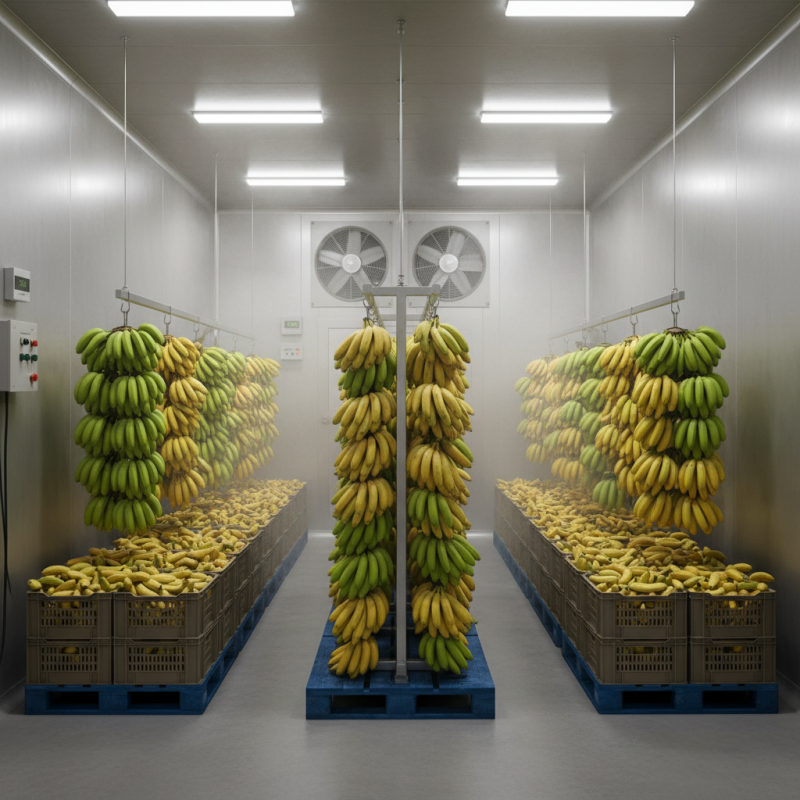
The temperature plays a critical role in the banana ripening process. Bananas thrive at a specific temperature range, usually between 58°F to 68°F (14°C to 20°C). At this point, the ripening agents, such as ethylene gases, activate the transformation of starch to sugar. Ideally, a cold room can maintain this range efficiently, ensuring the bananas ripen uniformly.
However, there are pitfalls in using cold rooms. If the temperature dips below 58°F, bananas may experience chill damage. This can lead to darkened skins and an undesirable texture. On the other hand, if it's too warm, over-ripening occurs quickly. That's why monitoring the temperature regularly is essential.
Humidity also plays a significant role. A cold room with low humidity can reduce the freshness of bananas. They may dry out, affecting taste and quality. To achieve optimal results, maintain a balance of temperature and humidity. This careful orchestration requires ongoing observation and adjustment. Adjustments should be made based on the specific conditions of your cold room. Knowledge of these factors can lead to successful banana ripening.
Proper humidity levels are crucial in using a cold room for banana ripening. Ideally, the humidity should range between 85% and 90%. This level helps prevent premature browning while promoting even ripening. Excess moisture can lead to fungal growth, impacting banana quality. Monitoring humidity helps achieve the best results.
Tips for managing humidity include using hygrometers. These devices can provide accurate readings. Adjust ventilation accordingly to maintain target humidity. Remember that different banana varieties may have distinct requirements. Experimenting with small batches can help determine the right conditions.
While cold rooms are effective, they come with challenges. Overly dry air can cause bananas to shrivel. Too much humidity can create mold issues. Regularly assess your environment. Use air conditioning systems with dehumidifiers when necessary. This can make a significant difference in banana quality. It’s essential to stay aware of changing conditions in the cold room.
| Humidity Level (%) | Ripening Stage | Optimal Temperature (°C) | Duration (Days) |
|---|---|---|---|
| 85-90 | Initial Ripening | 15 | 5-7 |
| 75-80 | Mid Ripening | 13 | 4-6 |
| 60-70 | Late Ripening | 12 | 2-3 |
| 90-95 | Pre-Ripening | 16 | 1-2 |
| 80-85 | Post-Ripening | 14 | 3-5 |
Bananas produce ethylene, a natural gas that accelerates ripening. In cold storage, managing ethylene concentration is crucial. Research reveals that maintaining ethylene levels between 10 to 100 ppm can optimize banana ripening. At too low concentrations, bananas may ripen slowly, while excessive ethylene can lead to over-ripening.
During storage, temperatures between 13°C and 15°C are effective for ripening. The cold room should be well-ventilated to avoid ethylene buildup. A study from the International Journal of Fruit Science indicates that controlled ethylene exposure enhances flavor and texture. However, uneven ethylene distribution can result in inconsistent ripening.
Monitoring ethylene levels is essential for quality control. Too much can spoil texture, leading to mushy fruit. Additionally, temperature fluctuations may hinder the ripening process, underscoring the importance of stability. Operators must regularly check ethylene levels and adjust storage conditions accordingly for the best results.
Monitoring and managing the conditions in a cold room is crucial for efficient banana ripening. Temperature and humidity must be kept stable. Ideal temperatures hover around 13-15 degrees Celsius. Too cold and bananas will not ripen; too warm, and they may spoil quickly. Regular checks are essential. Use reliable thermometers and hygrometers for accuracy.
Humidity levels should also be monitored. Bananas thrive at about 85-90% humidity. Consider using a humidifier to maintain these levels. Place trays of water in the room as a natural way to boost moisture. Avoid excessive moisture, as it can lead to fungal growth.
Regular checks can reveal issues. A temperature spike can ruin a batch. Note the frequency of checks; some may overlook this task. Be diligent in record-keeping. Consider documenting temperature changes over time. This practice encourages better understanding and adjustment of conditions based on observed data. With careful attention to detail, ripening bananas can reach their peak quality efficiently.
Using cold rooms for banana ripening can significantly reduce ripening time. The environment in a cold room has controlled temperature and humidity levels. This creates ideal conditions for bananas to ripen evenly and quickly. When bananas are stored in a cold room, the ripening process can occur 30 to 50% faster than under regular conditions.
However, some challenges arise when using this technique. Not all bananas ripen uniformly. Some may remain green while others become overly ripe. Monitoring is essential to ensure optimal results. Temperature settings should be carefully calibrated. A temperature too low may hinder ripening completely, while too high can spoil the fruit. Keeping an eye on banana color and texture is crucial during the process.
Additionally, consider the ethylene production. Bananas naturally produce this gas, which speeds up ripening. A cold room can control ethylene exposure effectively. However, adjusting exposure requires experience. Too much ethylene can lead to unwanted over-ripening. Regular assessments of the batch can help prevent loss. Achieving the right balance is key for successful ripening.