
In today's industrial landscape, mechanical parts suppliers play a crucial role. They form the backbone of various manufacturing sectors. According to a report by IBISWorld, the global mechanical parts supply industry is projected to reach over $500 billion by 2025. This significant market size highlights the importance of these suppliers.
mechanical parts suppliers provide essential components for machinery and equipment. Their products range from gears and bearings to complex assembly parts. A recent survey indicated that nearly 70% of manufacturers rely heavily on local suppliers for timely deliveries. However, challenges remain. Some suppliers struggle with quality control and inventory management. This can lead to production delays and increased costs.
The relationship between manufacturers and mechanical parts suppliers is vital for efficiency. As industries evolve, there is a growing need for innovation and sustainability. Suppliers must adapt to these changes to stay competitive. While the supply chain can be complex, effective communication and collaboration can enhance productivity. The future of manufacturing depends on how well these suppliers can respond to market demands.
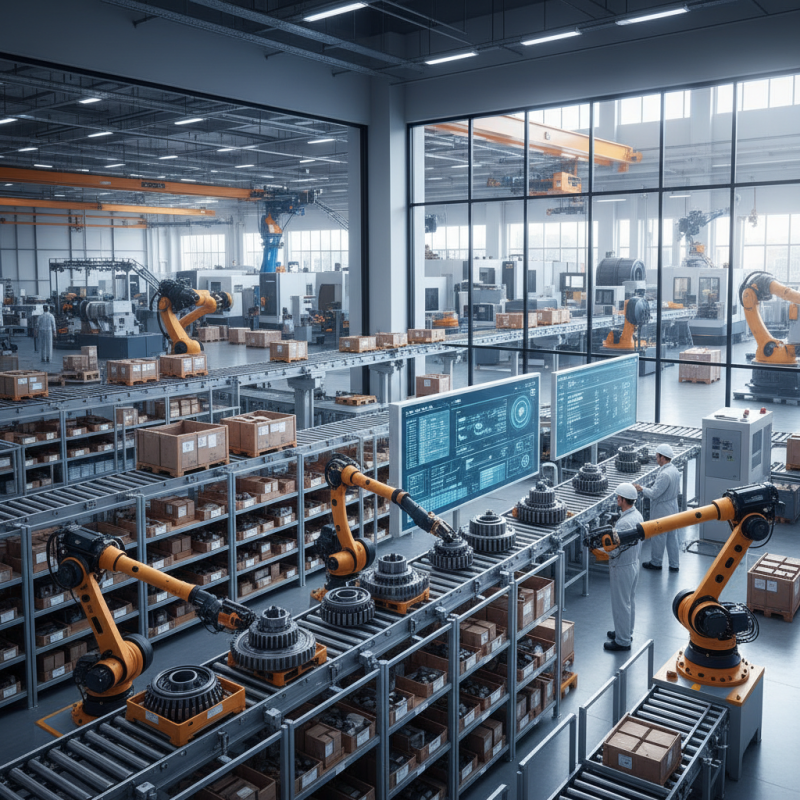
Mechanical parts suppliers play a vital role in various industries. They ensure the availability of essential components for manufacturing. These parts can include gears, bearings, and fasteners. Each component plays a key role in the functionality of larger machinery.
One challenge suppliers face is maintaining quality. It’s crucial to provide parts that meet strict specifications. Yet, sometimes, quality control can slip. A small defect in a part can lead to significant issues in production. Suppliers must constantly reassess their quality assurance processes. They should strive for improvement, not just compliance.
The relationship between manufacturers and suppliers is fundamental. Trust builds over time, but miscommunication can cause delays. Clear communication is essential in order to meet deadlines. Additionally, suppliers must adapt to changes in demand. The dynamic nature of industry keeps everyone on their toes. It's a dance that requires agility and cooperation.
| Role | Description | Industry Application | Benefits |
|---|---|---|---|
| Supplier | Provides essential components for manufacturing processes. | Automotive, Aerospace, Machinery | Ensures production continuity and component quality. |
| Quality Assurance | Certifies that components meet industry standards. | Manufacturing, Electronics | Reduces risk of defects and product failures. |
| Customization | Offers tailored solutions to specific project needs. | Robotics, Medical Devices | Enhances product functionality and performance. |
| Logistics Support | Manages the supply chain to ensure timely delivery. | All Manufacturing Sectors | Improves efficiency and reduces downtime. |
| Cost Reduction | Offers competitive pricing for bulk orders. | Construction, HVAC | Lower operational costs for manufacturers. |
Mechanical parts suppliers play a vital role in various industries. They offer a wide range of components that are essential for machinery and equipment. These parts include bearings, gears, fasteners, and more. According to industry data, the global market for mechanical components is projected to reach $600 billion by 2026. This growth reflects the increasing demand in automotive, aerospace, and manufacturing sectors.
Different types of mechanical parts are crucial for different applications. For instance, bearings are essential for reducing friction in machinery, while gears transmit power effectively. Fasteners like bolts and screws are critical for holding components together. However, the quality of these parts can vary significantly. Some suppliers may cut costs, leading to lower performance and safety risks. It's essential for companies to choose reliable sources to ensure they get the best components for their projects.
Recent reports indicate that around 30% of machinery failures are linked to poor-quality components. Companies need to be diligent in selecting their suppliers. While cost savings are tempting, they should not compromise quality. In some cases, opting for cheaper parts might lead to higher costs in repairs and downtime. Being aware of supplier credibility is key to maintaining operational efficiency.
Mechanical parts suppliers play a crucial role in various industries. Their contribution often hinges on the quality control measures they adopt. Effective quality control ensures that every component meets specific standards. This is vital because even a tiny defect can lead to major failures in machinery. Suppliers must systematically check material properties and dimensions during production.
One common shortcoming in quality control is inconsistency. Some suppliers might fail to implement rigorous testing across all batches. This can result in subpar parts making it into the final products. Inspections should be frequent and thorough. Regular audits of both processes and end products can significantly improve outcomes. Suppliers should also embrace technological advancements for better precision.
Communication is key in this process. Suppliers and manufacturers must work together closely. Misunderstandings can lead to inadequate quality checks. Sharing feedback can be beneficial but is often overlooked. A focus on continuous improvement should be a priority. Establishing a culture of accountability can help mitigate risks in mechanical parts supply.
Effective supply chain management is crucial in the procurement of mechanical parts. Over 70% of manufacturers report that efficient supply chains directly impact overall productivity. Optimizing procurement processes reduces lead times and minimizes costs. However, many companies face challenges in coordinating various suppliers. Fragmented systems can create delays and inefficiencies.
Data shows that nearly 60% of organizations struggle with inventory management. Proper supply chain strategies can help balance stock levels and customer demand. Achieving this requires a collaborative approach. Many businesses still rely on outdated methods. This can lead to overstocking or shortages, disrupting production schedules. Regular assessments of suppliers' performance are essential to improving procurement outcomes.
Moreover, transparency in the supply chain is increasingly important. A survey found that 45% of companies lack visibility into their suppliers’ processes. This can result in compliance risks and quality control issues. Investing in technology can address these problems. However, not all firms are willing to adapt. Reflecting on these challenges is necessary for effective supply chain management. The ability to respond to market changes hinges on reevaluating existing practices.
The future of mechanical parts supply is evolving rapidly. Recent industry reports indicate that the global mechanical parts market is expected to grow by 6% annually, reaching $1.2 trillion by 2025. This growth is driven by advancements in automation and increased demand in the manufacturing sector. Many industries are leaning toward smart manufacturing techniques, relying on suppliers who can provide not just parts but also data-driven solutions.
Tech-savvy suppliers are incorporating IoT and AI into their processes. This leads to higher efficiency, yet it raises concerns about cybersecurity risks. In fact, 30% of manufacturers reported cyber threats linked to their supply chains. While mechanical suppliers offer cutting-edge solutions, they must address these vulnerabilities proactively. Additionally, sustainability is becoming vital. Reports suggest that 50% of industrial companies prioritize green practices in their sourcing. However, many suppliers struggle to meet these expectations.
Customization is another critical trend. Companies are looking for tailored solutions that cater to specific needs. Yet, the challenge remains: can suppliers adapt quickly enough? Some are investing in flexible manufacturing systems, but not all succeed. Suppliers face pressure to innovate while also keeping costs in check. The balance between quality, speed, and cost is delicate and essential for future success in mechanical parts supply.