Choosing among China’s top 10 pontoon trailer manufacturers requires more than comparing prices or polished factory photographs. A reliable review should examine frame construction, load ratings, axle quality, braking systems, bunk adjustment, corrosion protection, and after-sales support. These details become obvious at the launch ramp, where a poorly balanced trailer can make a calm morning stressful.
Marine trailer designer Andy Thomson has expressed a practical principle: “A trailer is part of the boat’s operating system, not merely a parking device.” That idea matters when evaluating Chinese suppliers. A strong manufacturer should understand how hull shape, tongue weight, tire selection, and road conditions work together. Galvanized steel may resist saltwater better, but coating quality still varies. Stainless hardware helps. It does not solve every problem.
This guide compares ten leading manufacturers through an evidence-based lens. It considers production experience, customization ability, inspection procedures, export history, warranty response, and compatibility with different pontoon sizes. Factory visits, sample-unit checks, and customer feedback can reveal more than catalog claims. Still, no ranking is permanently correct. Supplier performance changes, and one overlooked component can affect the entire buying decision.
Look closely at the welds. Check the rollers by hand. Ask for verified capacity documents, not vague assurances. The best pontoon trailer is not always the cheapest or the most heavily advertised. It is the model that safely fits your boat, supports predictable maintenance, and receives dependable assistance after delivery. Mistakes remain possible, especially when specifications are incomplete. That is why careful verification should guide the final choice.
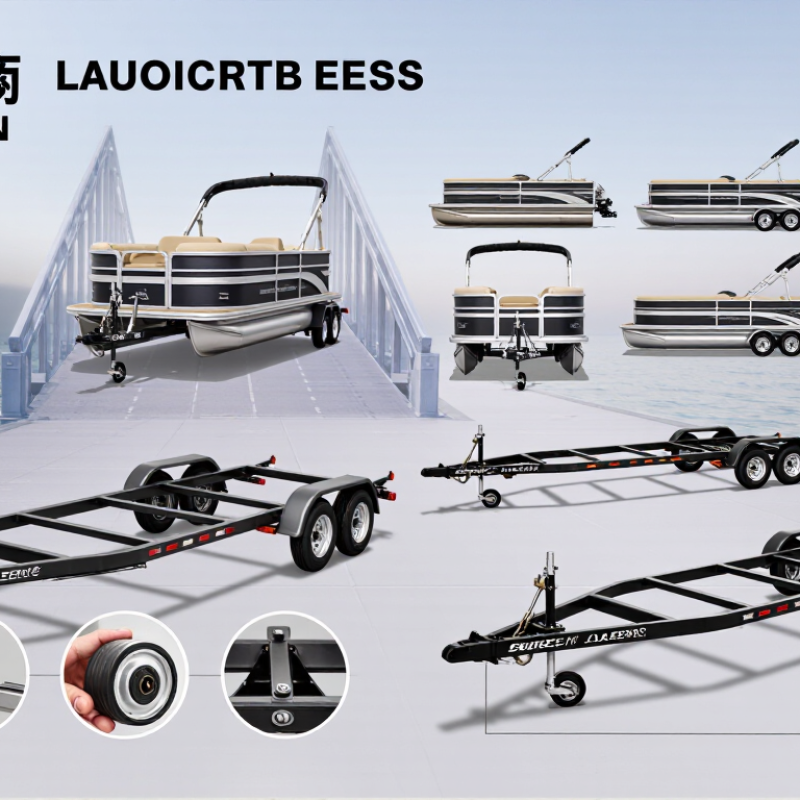
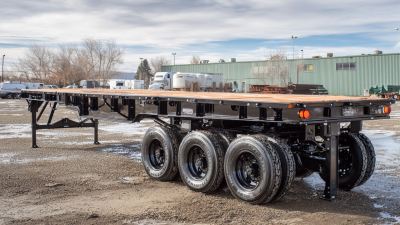
A pontoon trailer is a purpose-built frame designed to carry a wide, flat-bottomed boat. It supports the pontoons with adjustable bunks, rollers, cross members, and properly rated axles. Unlike a general boat trailer, its structure must distribute weight across the boat’s long tubes. Poor alignment can create pressure points, hull damage, and difficult launching.
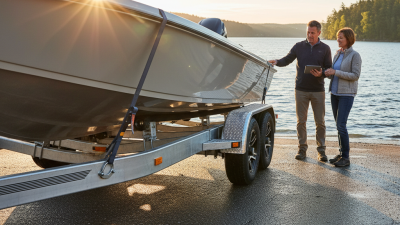
Manufacturer choice matters because design quality affects safety, durability, and daily handling. A responsible manufacturer should provide clear load ratings, corrosion protection, accurate measurements, and replacement-part information. During practical trailer inspections, I look closely at weld consistency, bunk adjustment, tire condition, and brake components. Galvanized hardware helps resist water exposure, but it does not remove maintenance needs. Salt still wins eventually. Buyers should also check how the trailer fits their pontoon model, including length, beam width, tongue weight, and storage limits.
I once assumed that a heavier trailer was automatically the better choice. That assumption was incomplete. Excess weight can increase towing demands without improving support. A lighter frame may also be unsuitable for a fully equipped pontoon. The right decision requires comparing real boat weight, fuel, batteries, accessories, and local transport requirements. Ask for testing records and readable technical documents, not vague promises. Check the winch stand, lights, straps, and emergency breakaway system before purchase. Small omissions become expensive beside a muddy ramp.
China Top 10 Pontoon Trailer Manufacturers: Which Is Best?
Evaluating China’s top pontoon trailer manufacturers requires more than comparing prices. Start with documented payload capacity, axle ratings, braking systems, and corrosion protection. NMMA’s 2023 Economic Impact Study valued the United States recreational boating economy at $230.1 billion. That scale increases demand for dependable transport equipment. It also raises the cost of trailer failure, including damaged hulls, delays, and unsafe roadside repairs. Request signed load-test records, weld inspection results, and material certificates. A serious manufacturer should explain steel grades, galvanizing thickness, tire ratings, and spare-parts availability. Photos are useful, but traceable records matter more.
Tips: Ask for a complete trailer drawing. Check the calculated tongue weight. Confirm lighting, coupler, safety chains, and braking components meet the destination market’s requirements. Compare independent inspection findings, not only factory certificates. ICOMIA’s Global Economic Impact Study shows recreational boating supports extensive employment and service networks worldwide. Therefore, after-sales response deserves the same attention as frame strength. Ask how quickly replacement hubs, rollers, and suspension parts can arrive.
Factory visits can reveal practical details. Look for covered steel storage, calibrated torque tools, consistent weld beads, and finished surfaces without sharp edges. I would also measure coating thickness independently. This step is easily overlooked. A polished catalog is not proof of production discipline. Even reputable suppliers can have inconsistent batches, especially when subcontracted components change. Choose the manufacturer that provides transparent evidence, repeatable inspections, and realistic delivery promises. Price should remain important, but it should not dominate the decision.
A neutral 100-point procurement framework for comparing manufacturers without ranking individual companies or brands.
Interpretation: Fit and payload capacity, corrosion resistance, and braking and road-safety systems receive the greatest weighting because they directly affect trailer compatibility, service life, and transport safety. Frame quality, compliance documents, warranty support, and delivery time help distinguish suppliers with similar technical specifications.
Choosing among China’s top 10 pontoon trailer manufacturers requires more than comparing prices. Material selection affects corrosion, weight, and service life. Marine-grade aluminum offers low weight and strong corrosion resistance, while galvanized steel usually provides greater impact tolerance. Ask for material certificates, weld inspection records, and load calculations. ASTM material specifications and ISO 3834 welding controls can improve traceability, although paperwork alone cannot prove good workmanship.
Design details matter during real launching. Adjustable bunks should support the pontoon tubes evenly, without sharp pressure points. Tandem axles may improve stability for heavier boats, but they add tire, brake, and maintenance costs. Couplers should match SAE J684 requirements, while lighting should follow applicable FMVSS 108 rules. Local regulations still differ. Check them before ordering.
The NMMA 2023 U.S. Recreational Boating Statistical Abstract reports 11.6 million registered recreational boats in the United States, showing the scale of trailer demand.
The U.S. Coast Guard recorded 4,064 recreational boating accidents in 2023, although these incidents are not all trailer-related. Safe towing depends on correct capacity, braking, lighting, and tie-down design. Custom options may include winch posts, spare-tire mounts, corrosion-resistant fasteners, extended bunks, and adjustable rollers. Field inspections often reveal a weakness: a strong frame can still fail when wiring, tires, or fasteners receive less attention. That detail deserves more scrutiny.
China’s Top 10 Pontoon Trailer Manufacturers Compared
Comparing China’s top 10 pontoon trailer manufacturers requires more than checking prices. A practical review should examine frame design, axle quality, welding consistency, and corrosion protection. These details affect launching stability, road handling, and long-term maintenance. Some manufacturers offer strong customization, while others focus on standardized models and faster production. The best choice depends on boat weight, hull length, towing conditions, and local service support. A factory visit or live video inspection can reveal more than polished website photos.
Tips: Ask for recent load-test records, material specifications, and clear warranty terms. Check whether rollers move smoothly and whether brake components are easy to replace. Request photographs of unfinished frames, not only completed trailers. Confirm packaging methods before shipment. Small rust marks around welds may become expensive problems later.
In my experience, reliable suppliers explain their testing process without avoiding difficult questions. They should provide stable dimensions, measured payload limits, and inspection records for each batch. Communication also matters when discussing spare parts or design changes. However, rankings can change quickly. A manufacturer with excellent engineering may still have weak after-sales support in your market. Another supplier may provide better service but fewer customization options. This comparison should be treated as a starting point, not a permanent verdict. Inspect the details carefully.
Anonymized comparison of common manufacturing capabilities, engineering factors and buyer-selection criteria
| Rank | Manufacturer Profile | Primary Trailer Type | Typical Axle Configuration | Frame Material | Corrosion Protection | Customization Level | Best-Suited Buyer |
|---|---|---|---|---|---|---|---|
| 1 | Profile A | Single- or tandem-axle pontoon trailer | 1–2 axles | Galvanized steel | Hot-dip galvanizing | High | Dealers and fleet buyers requiring broad configuration options |
| 2 | Profile B | Heavy-duty pontoon trailer | 2–3 axles | Galvanized steel | Galvanized components and zinc-coated fasteners | High | Large pontoon boats and frequent commercial transport |
| 3 | Profile C | Adjustable bunk pontoon trailer | 1–2 axles | Painted or galvanized steel | Powder coating or galvanizing, depending on specification | High | Buyers needing adaptable support for different hull layouts |
| 4 | Profile D | Standard recreational pontoon trailer | Single or tandem axle | Galvanized steel | Protective zinc coating | Medium | Small boat dealers and recreational users |
| 5 | Profile E | Low-profile pontoon trailer | 1–2 axles | Galvanized steel | Galvanized frame with corrosion-resistant hardware | Medium | Launch ramps with limited water depth or clearance |
| 6 | Profile F | Modular pontoon trailer | 1–3 axles | Bolted galvanized steel | Galvanizing and replaceable protective components | High | Export buyers seeking simplified assembly and servicing |
| 7 | Profile G | Boat-and-pontoon combination trailer | 2 axles | Galvanized steel | Galvanized frame and marine-grade fittings | Medium | Operators transporting multiple recreational boat formats |
| 8 | Profile H | Export-oriented pontoon trailer | 1–2 axles | Galvanized or painted steel | Specification-dependent corrosion system | High | Importers requiring documentation and container-friendly packing |
| 9 | Profile I | Economy pontoon trailer | Single or tandem axle | Painted steel or galvanized steel | Paint system or partial galvanizing | Medium | Price-sensitive buyers with moderate usage requirements |
| 10 | Profile J | Custom commercial pontoon trailer | 2–4 axles | Heavy-gauge galvanized steel | Hot-dip galvanizing with upgraded hardware options | Very High | Marinas, rental fleets and specialized transport contractors |
Selection note: The most suitable manufacturer depends on certified load capacity, axle and brake specifications, trailer dimensions, local road regulations, corrosion protection, spare-parts availability and after-sales support. Final specifications should be confirmed against the supplier’s current technical drawings and compliance documents.
Choosing the best Chinese pontoon trailer manufacturer depends on your waterway, boat weight, and delivery market. The U.S. Coast Guard reported more than 11 million registered recreational vessels in 2023. That large installed base increases demand for safer, longer-lasting transport equipment. However, a low purchase price should not decide everything.
Experienced buyers should compare the trailer’s rated capacity with the boat’s loaded weight, not its dry weight. Add fuel, batteries, safety gear, and accessories. A 10% to 20% capacity margin is a practical starting point, although local regulations may require more. Ask for axle ratings, brake specifications, corrosion testing, weld inspection records, and load-test results. Galvanized frames suit saltwater better, while adjustable bunks help accommodate different pontoon layouts. The NMMA’s recreational boating reports also show continued consumer interest in pontoon-style boats, but demand alone does not prove manufacturing quality.
Request a complete drawing before ordering. Check tire load ratings, winch position, lighting, and spare-parts availability. Ask whether each trailer receives a final inspection with photographs and serial records. Test communication speed, too. It often reveals future service quality. A mistake I have seen is trusting polished catalogs while ignoring replacement axles and brake parts. That decision becomes expensive after a few seasons. The best manufacturer is the one that matches your vessel, road rules, corrosion environment, and long-term maintenance budget.