0
  • WHY CHOOSE LOADRITE?
  • Register a Trailer
  • Dealer Portal
  • Contact
  • Trailers
  • Parts
    • Axle Assemblies & Parts
    • Lights & Electrical
    • Hull Support Systems
    • Spare Tire Carriers
    • Braking
    • Springs, Supports & Bushings
    • Couplers & Tongue Jacks
    • Trailer Accessories
    • Fender Components
    • Wheel Assemblies & Components
    • Frame Components
    • Winch Stand Parts
    • Hardware
  • Trailers 101
  • Resources
    • FAQs
    • Trailer Parts Store
    • Service Videos
    • Documents
    • Warranty Information
  • About
    • Why Choose Load Rite?
    • News
    • Become a Dealer
  • Blog

Boat Trailers

  • Boat Trailers
  • Bunk Models
  • Roller Models
  • Skiff/Jon Boat Trailers
  • Catamaran Trailers
  • Canoe/Kayak Trailers
  • Ski Boat & Inboard Trailers

Personal Watercraft
(PWC)

  • Personal Watercraft Trailers

Pontoon Trailers and Tritoon Trailers

  • Pontoon Trailers
  • Tritoon Trailers

Specialty & Custom

  • Utility Trailers
  • Custom Trailers
  • Sailboat Trailers
  • Australian Certified Trailers
  • Shipping & Storage Cradles
 |
Top 10 Utility Trailer Features Buyers Need?

Top 10 Utility Trailer Features Buyers Need?

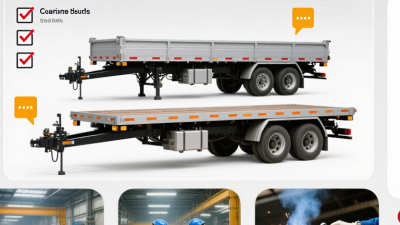
Choosing the right utility trailer is less about shiny metal and more about dependable work. A landscaping crew may need ramp access, while a homeowner may value simple storage and easy towing. The best choice depends on load weight, road conditions, tow vehicle limits, and expected use.

Industry data supports careful comparison. The U.S. Department of Transportation and NHTSA emphasize trailer stability, lighting, tires, brakes, and secure loading as key safety concerns. The National Highway Traffic Safety Administration also advises buyers to match trailer capacity with the tow vehicle and cargo weight. Meanwhile, market research from Grand View Research identifies growing demand for trailers across construction, agriculture, logistics, and personal transport applications. These reports show a broad market, but they do not make every trailer suitable for every buyer.

Details matter.

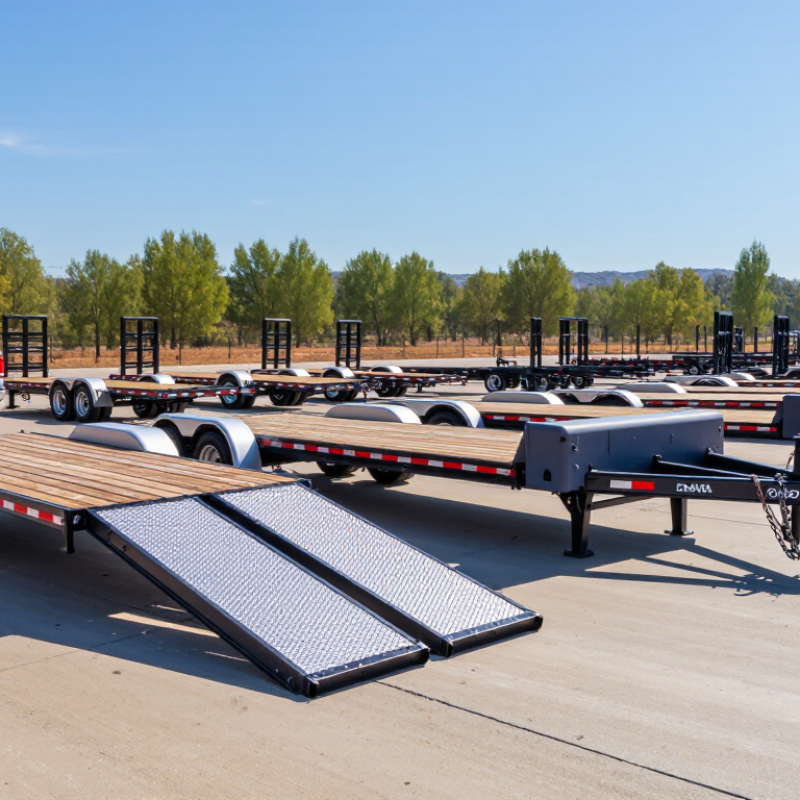
A useful inspection should examine the frame, axle rating, coupler, safety chains, wiring, flooring, tie-down points, and suspension. A trailer with a low deck can simplify loading, yet it may reduce ground clearance on rough properties. A mesh ramp can save time, though its hinges may need frequent cleaning and lubrication. I have found that buyers often focus on payload capacity and overlook tire age or replacement cost. That mistake can become expensive.

This guide reviews the top 10 utility trailer features buyers need, including practical safety equipment, durable materials, useful dimensions, and maintenance-friendly design. Reported specifications can vary by manufacturer and region. No checklist is perfect. Still, a careful comparison can prevent an attractive trailer from becoming a daily frustration.
Top 10 Utility Trailer Features Buyers Need?
Table of Contents [Hide]
1 Load Capacity, Bed Dimensions, and Payload Ratings
2 Frame Construction, Axles, Suspension, and Tire Quality
3 Decking Materials, Side Rails, Ramps, and Tie-Down Points
4 Braking Systems, Lighting, Couplers, and Safety Equipment
5 Customization Options, Maintenance Needs, and Legal Requirements

Load Capacity, Bed Dimensions, and Payload Ratings

Top 10 Utility Trailer Features Buyers Need

Load capacity is the first practical test. A trailer rated for 7,000 pounds does not carry 7,000 pounds of cargo. Its payload equals the gross vehicle weight rating minus the empty trailer weight. A 2024 industry safety review from the National Highway Traffic Safety Administration reported 5,837 deaths in large-truck crashes during 2022. That figure reinforces a simple point: overloaded equipment creates serious handling risks. Check the data plate, axle ratings, tires, and coupler rating together. Never trust a sales description alone.

Bed dimensions decide whether real cargo fits safely. Measure inside length, width, and usable height, not only the advertised platform size. Federal Highway Administration rules generally limit vehicle width to 102 inches on the National Network, so excessive width can create transport problems. Think about wheel wells, ramp clearance, tie-down positions, and load distribution. A 6-by-12-foot bed may carry landscaping tools well, but bulky machinery could need more width or a longer deck. Small details matter.

Payload ratings deserve a second look. A trailer can have strong axles but weak tires, brakes, or suspension components. SAE towing guidance emphasizes matching the complete combination, not one impressive number. That is where buyers often misjudge capacity. I have seen specifications treated as promises rather than limits. Leave a sensible margin below the maximum rating, especially when cargo shifts, moisture adds weight, or roads become uneven. The right trailer fits the work, not just the brochure.

Frame Construction, Axles, Suspension, and Tire Quality

A utility trailer’s usefulness begins with its frame. Inspect the main rails, crossmembers, welds, and mounting points before comparing accessories. A properly designed steel frame should resist twisting when the trailer carries uneven loads. Galvanized or well-protected surfaces can also reduce corrosion around the deck and coupler. I prefer checking underneath with a flashlight, because painted cracks are easy to miss. Small defects matter.

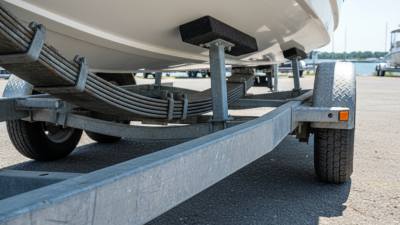
Axles determine how safely the trailer carries weight. Confirm the axle rating exceeds your typical loaded weight, not just the empty trailer’s capacity. Look for straight axle tubes, secure mounting plates, and evenly worn tires. Suspension components should move smoothly without excessive rust, cracked brackets, or loose fasteners. Leaf springs are simple and easy to inspect, but their condition depends on load habits and road quality. A neglected suspension can make a light trailer feel unstable. Tire quality deserves equal attention. Check the date code, sidewalls, tread depth, and recommended pressure. New-looking tires may still be old.

Tips: Measure your real cargo before buying. Include fuel, tools, ramps, and tie-down equipment. Leave a sensible safety margin. Recheck lug nuts after the first loaded trip, then inspect tires before every long journey. I once trusted a clean tread pattern and overlooked aging sidewalls. That was a useful mistake. Ask for service records when available, and have a qualified technician inspect uncertain welds, bearings, or suspension parts.

Decking Materials, Side Rails, Ramps, and Tie-Down Points

A utility trailer earns its keep through its deck, side rails, ramps, and tie-down points. These features control how safely cargo is loaded, supported, and restrained. FHWA’s Freight Facts and Figures 2023 estimates that trucks moved about 12.9 billion tons of freight in the United States during 2022. That workload makes material selection more than a cosmetic decision.

Pressure-treated wood offers a forgiving surface and simple repairs. Aluminum reduces weight and resists corrosion, but it can dent under concentrated loads. Steel decking handles harsh abuse well, though moisture demands careful coating and drainage. Side rails should be tall enough to guide cargo without blocking access. Welded rails usually feel stronger, while removable rails provide better flexibility. Small details matter. Check the welds.

A ramp should match the trailer’s loading height, hinge strength, and expected equipment weight. A narrow ramp may work on paper but feel awkward with a loaded cart. Tie-down points deserve equal attention. FMCSA cargo-securement guidance generally requires aggregate working load limits of at least half the cargo weight. Place rated points near realistic load positions, not only at the corners. I would not trust a few decorative rings. Their spacing, backing plates, and corrosion protection need inspection. Buyers often overlook drainage holes beneath the deck. That mistake can shorten the trailer’s life, especially when wet wood traps water against steel.

Braking Systems, Lighting, Couplers, and Safety Equipment

When I inspect a utility trailer, I start with the systems that stop it, connect it, and make it visible. Reliable brakes matter most when cargo shifts or a downhill grade lengthens stopping distance. Electric brakes need smooth controller response and clean wiring. Hydraulic systems need leak-free lines and firm pressure. Do not judge by appearance alone. Test them loaded, not only empty. A breakaway device should activate the brakes if the trailer separates from the tow vehicle. Its battery also needs regular testing.

Lighting is more than a legal detail. Clear tail lamps, brake lamps, turn signals, side markers, and reflectors help other drivers read the trailer at dusk or in rain. Look for sealed housings and protected wiring. Exposed connectors often corrode after repeated road spray. I once trusted a lamp that worked in the driveway, yet failed after a wet trip. That mistake changed my inspection routine. I now check every light while moving the harness gently.

The coupler must match the tow vehicle’s hitch size and the trailer’s rated load. A positive latch, retaining pin, safety chains, and a properly adjusted jack form one working system. Chains should cross beneath the coupler and stay clear of the road. Inspect welds, mounting bolts, and the breakaway cable for looseness or damage. Safety equipment can look complete while fitting poorly. Requirements vary by region, so buyers should verify local rules and the trailer’s manufacturer specifications before purchase.

Top 10 Utility Trailer Features Buyers Need: Braking Systems, Lighting, Couplers, and Safety Equipment

No. Feature System Category Recommended or Common Specification Why Buyers Need It What to Check Before Purchase
1 Electric Braking System Braking and Control Electric drum brakes on one or more axles, operated by a compatible in-cab brake controller. Brake capacity should match the trailer’s gross axle weight rating. Provides controlled stopping and helps reduce tow-vehicle braking demand, especially when carrying heavier loads or traveling on slopes. Confirm brake operation, wiring condition, controller compatibility, magnets, drums, and even braking on both sides.
2 Breakaway Safety System Emergency Safety A dedicated breakaway battery, switch, and lanyard that activates the trailer brakes if the trailer separates from the tow vehicle. Adds an independent emergency braking function and is required for many heavier trailer configurations under applicable regulations. Test the switch and battery, verify secure mounting, inspect the lanyard, and confirm the battery remains charged.
3 LED Lighting Package Visibility and Compliance Sealed LED tail lamps, stop lamps, turn signals, side markers, and reflectors with protected wiring and a compatible trailer connector. Improves visibility, reduces bulb replacement needs, and helps other road users identify the trailer’s position and movement. Check every lamp, reflector, connector pin, ground connection, lens, and wire junction for damage or corrosion.
4 Adjustable Coupler Towing Connection A coupler sized for the trailer hitch ball, with a positive locking mechanism, latch indicator, and sufficient height adjustment for a level ride. Improves towing compatibility and helps maintain proper trailer attitude when used with different tow vehicles or load conditions. Match coupler size to the hitch ball, test the latch, inspect welds and hardware, and verify the safety pin can be installed.
5 Safety Chains and Attachment Points Connection Security Two properly rated safety chains or equivalent secondary retention devices, attached to structurally sound points with adequate clearance. Provides a backup connection if the coupler becomes disconnected and helps prevent complete trailer separation. Check chain grade and length, attachment welds or bolts, hooks, latches, and crossed-chain clearance beneath the coupler.
6 Load-Rated Tires and Wheels Running Gear Trailer-specific tires with a load range suitable for the trailer’s maximum loaded weight, correctly inflated and matched to the wheel rating. Supports safe load carrying, improves handling, and reduces the risk of overheating, blowouts, or premature tire wear. Verify tire load rating, size, age code, tread, sidewalls, inflation pressure, wheel condition, and lug torque.
7 Fenders and Wheel Protection Structural Protection Durable fenders with sufficient tire clearance, secure mounting, and coverage appropriate for the trailer design and road conditions. Helps protect cargo, pedestrians, and nearby vehicles from thrown stones, mud, and water while reducing damage to the trailer body. Look for cracks, sharp edges, loose fasteners, tire contact marks, and adequate clearance during suspension movement.
8 Tie-Down and Cargo-Securing Points Load Management Welded or bolted tie-down rings, rails, stake pockets, or side supports positioned around the deck and rated for the intended cargo. Allows loads to be restrained against shifting, sliding, or falling during acceleration, braking, cornering, and emergency maneuvers. Check attachment strength, spacing, corrosion, accessibility, working load limits, and compatibility with straps or chains.
9 Trailer Jack and Wheel Chock Support Parking and Handling A jack with a load rating suitable for the trailer tongue weight, plus a stable foot or caster and appropriate parking chocks. Makes hitching, unhitching, and stationary loading safer while reducing unwanted trailer movement when parked. Operate the jack through its full range, inspect gears and mounting hardware, and confirm the foot or wheel sits securely.
10 Load-Rated Frame and Deck Structure and Capacity A frame, axle assembly, suspension, deck, and gross vehicle weight rating that are appropriate for the intended cargo; the payload equals rated gross weight minus trailer empty weight. Prevents overloading, improves durability, and helps buyers select a trailer that can legally and safely carry the planned equipment or materials. Review the identification plate, axle ratings, welds, crossmembers, deck condition, suspension, corrosion, and actual cargo weight.

Customization Options, Maintenance Needs, and Legal Requirements

A dependable utility trailer starts with the right configuration, not the longest options list. Choose an adjustable coupler, rated safety chains, sealed wheel hubs, LED lighting, a spare tire, and a breakaway system when required. Add recessed tie-down points, removable side panels, a mesh ramp gate, and protective fenders for daily loading.

These ten features support different jobs, from hauling landscaping tools to moving compact machinery. FHWA’s Freight Facts and Figures 2023 projects U.S. freight demand to grow significantly through 2050, so flexible cargo space may protect your investment. Still, larger capacity is not automatically better.

Customization must match the trailer’s gross vehicle weight rating and axle limits. A heavier floor can improve durability, but it also reduces usable payload. I have seen buyers overlook this tradeoff. Maintenance needs are practical and frequent: inspect tire pressure, lug torque, lights, coupler movement, and chain links before every trip. Grease serviceable bearings according to the axle maker’s schedule, and replace damaged wiring instead of taping it temporarily.

The Commercial Vehicle Safety Alliance’s 2024 International Roadcheck reported a 23.3% vehicle out-of-service rate, although that inspection involved commercial vehicles. The warning still matters.

Legal requirements vary by state and trailer weight. Confirm registration, title, VIN records, lighting, safety-chain placement, braking equipment, maximum width, and required reflectors with the relevant motor-vehicle agency. Some jurisdictions require brakes or breakaway protection above specific weight thresholds. Private use does not erase equipment rules. Verify the tow vehicle’s hitch rating, too. My checklist is useful, but imperfect; local regulations and the trailer’s certification label should control the final purchase.

Related Posts

  • What is a Utility Trailer and How to Choose the Right One?

    What is a Utility Trailer and How to Choose the Right One?

  • How to Find the Best China Utility Trailer Supplier?

    How to Find the Best China Utility Trailer Supplier?

  • The Best Pontoon Boat Trailers: Top 10 Options for Easy Transport

    The Best Pontoon Boat Trailers: Top 10 Options for Easy Transport

  • What is a Boat Trailer Axle and Why Does It Matter?

    What is a Boat Trailer Axle and Why Does It Matter?

  • What is a Boat Trailer Leaf Spring and How Does It Work?

    What is a Boat Trailer Leaf Spring and How Does It Work?

  • China Top Boat Trailer Manufacturers How to Choose?

    China Top Boat Trailer Manufacturers How to Choose?

Blog Tags:

  • utility trailer manufacturers
  • utility trailer suppliers
  • utility trailer wholesale
  • utility trailer factory
  • utility trailer exporter
  • Trailers
  • Parts
  • About
  • Contact
  • Find a Dealer
1-800-LOADRTE
©2017 - 2025 Load Rite Trailers, Inc
  • Terms & Conditions
  • Privacy
  • Site Map