
0
  • WHY CHOOSE LOADRITE?
  • Register a Trailer
  • Dealer Portal
  • Contact
  • Trailers
  • Parts
    • Axle Assemblies & Parts
    • Lights & Electrical
    • Hull Support Systems
    • Spare Tire Carriers
    • Braking
    • Springs, Supports & Bushings
    • Couplers & Tongue Jacks
    • Trailer Accessories
    • Fender Components
    • Wheel Assemblies & Components
    • Frame Components
    • Winch Stand Parts
    • Hardware
  • Trailers 101
  • Resources
    • FAQs
    • Trailer Parts Store
    • Service Videos
    • Documents
    • Warranty Information
  • About
    • Why Choose Load Rite?
    • News
    • Become a Dealer
  • Blog

Boat Trailers

  • Boat Trailers
  • Bunk Models
  • Roller Models
  • Skiff/Jon Boat Trailers
  • Catamaran Trailers
  • Canoe/Kayak Trailers
  • Ski Boat & Inboard Trailers

Personal Watercraft
(PWC)

  • Personal Watercraft Trailers

Pontoon Trailers and Tritoon Trailers

  • Pontoon Trailers
  • Tritoon Trailers

Specialty & Custom

  • Utility Trailers
  • Custom Trailers
  • Sailboat Trailers
  • Australian Certified Trailers
  • Shipping & Storage Cradles
 |
Top 10 Air Seat Control Valve Manufacturers to Buy

Top 10 Air Seat Control Valve Manufacturers to Buy

Air Seat Control Valve selection is becoming more demanding as factories pursue cleaner, faster, and more measurable fluid control. Recent reports from Fortune Business Insights and MarketsandMarkets place the global control valve market in the multi-billion-dollar range, with steady growth expected through the next decade. However, these reports usually group pneumatic, electric, and hydraulic valves together. They rarely isolate the Air Seat Control Valve segment, which makes supplier comparison less straightforward.

That gap matters.

In food processing, a valve may face daily washdowns, pressure cycling, and strict hygiene requirements. In chemical plants, seat materials must resist aggressive media and temperature swings. A small leakage problem can become a visible production loss. David W. Spitzer, a recognized process-control author, states, “The control valve is the final control element in most process loops.” His point remains practical: a reliable valve must respond accurately after sensors and controllers have done their work.

This Top 10 Air Seat Control Valve Manufacturers to Buy overview examines more than catalog prices. It considers sealing performance, air consumption, response time, body materials, actuator durability, testing records, technical support, and replacement availability. Certifications also matter, but paperwork alone does not prove field reliability. A polished brochure can hide weak after-sales service.

The ranking is not universal.

Plant conditions differ widely. Public market data is incomplete, and manufacturer claims are not always comparable. That is why buyers should verify cycle testing, media compatibility, maintenance intervals, and total ownership cost before purchasing. The selected manufacturers offer useful starting points, not unquestionable answers. In practice, the best choice is the valve that performs consistently beside the real pipeline, not merely the one with the strongest specification sheet.
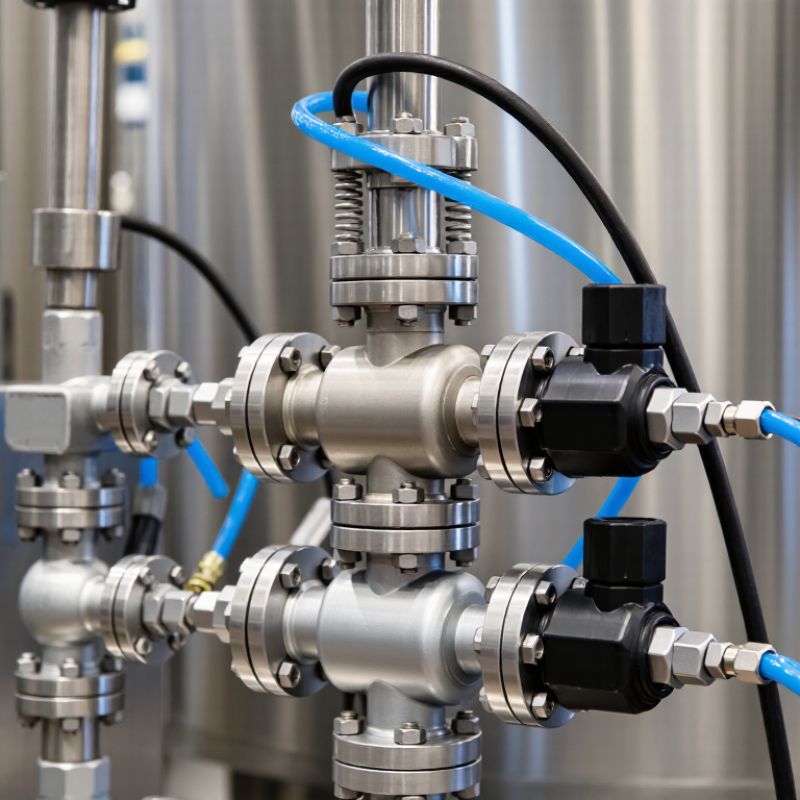
Top 10 Air Seat Control Valve Manufacturers to Buy
Table of Contents [Hide]
1 Air Seat Control Valves: Functions, Types, and Main Components
2 Key Criteria for Evaluating Air Seat Control Valve Manufacturers
3 Top 10 Air Seat Control Valve Manufacturers to Consider
4 Comparing Quality, Certifications, Customization, and Support
5 How to Select and Buy the Right Air Seat Control Valve Manufacturer

Air Seat Control Valves: Functions, Types, and Main Components

Air seat control valves regulate compressed air at the actuator, creating stable movement in process equipment. Their main functions include isolation, throttling, pressure control, and emergency shutdown. A typical valve contains a body, seat, plug, stem, actuator, spring, and sealing elements. Small details matter. Poor seals can create audible leaks and unstable positioning.

Common types include angle-seat valves, globe control valves, butterfly valves, and solenoid-operated pneumatic valves. Angle-seat designs suit high-cycle water, steam, and mildly aggressive media. Globe valves offer finer throttling. Butterfly valves are lighter for larger pipelines. Solenoid valves provide fast on-off control, but they do not replace precise modulating control.

The U.S. Department of Energy reports that compressed-air leaks may waste 20–30% of compressor output in poorly maintained systems. That figure makes seal quality and routine inspection commercially important. MarketsandMarkets’ 2023 Industrial Valves Market report projects growth from 78.5 billion dollars in 2023 to 106.1 billion dollars by 2028. This broader figure includes many valve categories, not only air seat control valves. Buyers should therefore compare flow coefficient, pressure range, temperature limits, response time, air consumption, and material compatibility. I would not trust a polished datasheet alone. Field verification still exposes weak assumptions.

Key Criteria for Evaluating Air Seat Control Valve Manufacturers

Top 10 Air Seat Control Valve Manufacturers to Buy

Key Criteria for Evaluating Air Seat Control Valve Manufacturers

Air seat control valves must deliver stable pressure, smooth adjustment, and repeatable shutoff. During supplier evaluation, request pressure-decay results, cycle-test records, and material certificates. A valve that feels smooth once may still leak after thousands of adjustments. Ask for evidence, not attractive samples.

Certification and traceability deserve close attention. ISO 9001 supports controlled production, but it does not guarantee product performance. For aircraft applications, check compliance with applicable aerospace quality systems and approved design processes. The 2024 commercial aviation market forecasts indicate more than 40,000 new aircraft deliveries over the next two decades. That growth increases pressure on suppliers to provide consistent parts and dependable documentation.

Look closely at engineering depth. Confirm operating pressure, temperature range, response time, mounting tolerances, and compatibility with seat pneumatic circuits. Ask whether each production batch receives leak testing. Also review failure-analysis procedures and replacement-part availability. A serious manufacturer should explain corrective actions without hiding weaknesses. That matters more than a polished catalog.

Cost still matters, but the lowest quotation can become expensive after installation delays. Compare total ownership costs, including inspection, warranty handling, and field replacement. Request customer references from similar seating environments. I would also audit packaging and storage controls. Small seals can deform quietly. One overlooked detail can undermine an otherwise capable supplier.

Top 10 Air Seat Control Valve Manufacturers to Consider

Choosing among the top 10 air seat control valve manufacturers to consider requires more than comparing catalog prices.

In plant audits, I check response time, leakage, port accuracy, and service access. A dependable manufacturer should provide clear pressure ratings, material certificates, drawing revisions, and repeatable test records.

Stainless steel bodies suit washdown areas, while reinforced polymer parts may reduce weight in compact equipment. Small details matter.

The ten manufacturers on a practical shortlist usually show different strengths. One may excel at precision machining. Another may focus on hygienic processing lines. A third may offer rapid custom modifications.

Some specialize in high-cycle pneumatic systems, low-pressure control, or compact valve assemblies. Others stand out through responsive engineering support, traceable production, or flexible minimum order quantities.

I also look for diaphragm quality, seal compatibility, actuator alignment, and stable performance after thousands of cycles.

Field evidence still matters more than polished brochures.

I once approved a valve with excellent test data, but its service clearance was too narrow for our enclosure. That mistake slowed maintenance. My shortlist is not flawless.

Manufacturers should explain limitations instead of promising universal performance. Ask for sample testing under real air pressure, temperature, moisture, and switching frequency.

Confirm spare-part availability and realistic delivery times. A clear warranty helps, but documented quality controls matter more during long-term operation.

Comparing Quality, Certifications, Customization, and Support

When comparing air seat control valve manufacturers, quality starts with repeatable performance. Valve response should remain stable during pressure changes, vibration, and cabin temperature swings. IATA’s 2024 passenger forecast estimated 4.96 billion travelers, increasing pressure on reliable cabin equipment. A supplier should provide leak-rate data, cycle-test results, material certificates, and full batch traceability. A polished brochure is not enough.

Certifications deserve careful checking. AS9100 or EN9100 indicates an aerospace quality system, while ISO 9001 supports broader process control. However, certification alone does not prove seat-level suitability. Ask whether testing follows applicable aerospace standards, including environmental and vibration requirements. Customization may involve port geometry, actuation force, connector layout, or fire-resistant materials. Clear drawings and first-article inspection records reduce costly redesigns. Support matters after delivery, too. Confirm response times, spare-part availability, engineering changes, and obsolescence notices. Forecasts from aviation agencies show continued fleet expansion, but procurement teams sometimes overvalue unit price. That judgment can age badly.

Tips: Request three sample valves, not one. Compare pressure curves at low and high temperatures. Review a redacted nonconformance report. It reveals more than marketing language. Also, ask for a named technical contact and escalation path. A supplier that cannot explain its test limits may still be capable, but the risk deserves written controls. Specifications should be reviewed by engineering, quality, and maintenance teams together.

How to Select and Buy the Right Air Seat Control Valve Manufacturer

Selecting an air seat control valve manufacturer requires more than comparing catalog prices. Start with your operating conditions: air pressure, media temperature, flow rate, connection size, and expected switching frequency. A supplier should explain how its valve design fits these requirements.

Ask for material specifications, dimensional drawings, pressure-test records, and leakage results. Stainless steel may suit humid processing areas, while food or pharmaceutical systems may require documented hygienic surfaces. Check whether the manufacturer can provide traceability for critical components. Clear records matter.

Request a sample or a small trial order before committing to large quantities. Test response time, seal performance, noise, and repeated cycling on equipment similar to yours. The valve should remain stable after hundreds or thousands of operations. Ask how failures are handled.

Lead time also deserves attention. A low quote is not useful if replacement parts arrive months later. Confirm spare seal availability, technical support, warranty terms, and inspection procedures. Experienced manufacturers usually discuss failure modes instead of promising perfect performance. That detail builds trust.

I once focused too heavily on unit price. It caused extra fitting work later. That mistake was avoidable. Review the supplier’s production capacity, quality controls, and experience with comparable applications. Independent certifications can support credibility, but they should match the actual product and factory process. A factory visit, video inspection, or verified customer reference can reveal details that brochures often miss.

Article Source:

  • Air Seat Control Valve
  • Truck Air Seat Control Valve
  • Trailers
  • Parts
  • About
  • Contact
  • Find a Dealer
1-800-LOADRTE
©2017 - 2025 Load Rite Trailers, Inc
  • Terms & Conditions
  • Privacy
  • Site Map