
Top 10 Tokimec Equivalent Pumps for Global Buyers
Selecting a Tokimec Replacement Pump is not simply a matter of matching a name or quoted flow rate. Buyers need to compare displacement, rated pressure, rotation, shaft dimensions, mounting style, and port positions. A mismatch can mean a pump that will not fit the existing power unit, even if its catalog figures look similar. Measure carefully.
This guide introduces ten potential Tokimec Equivalent Pump options for global buyers, with practical points to check before requesting a quotation. It considers pump type, operating conditions, fluid compatibility, supplier documentation, and access to technical support. For example, a maintenance team can compare the nameplate data with a candidate pump’s drawings, then check whether the inlet and outlet ports align with the installed hoses. That small detail matters during a planned shutdown.
“Equivalent” does not always mean interchangeable. Actual compatibility depends on the complete model code and the machine’s working conditions, not just the brand or series. Buyers should confirm specifications with the pump manufacturer or a qualified hydraulic supplier before ordering, especially when replacing equipment in a critical system. Catalog descriptions may leave out useful details. This comparison is a starting point, not a substitute for engineering review. A careful check can reduce avoidable delays, but no list can remove every uncertainty.
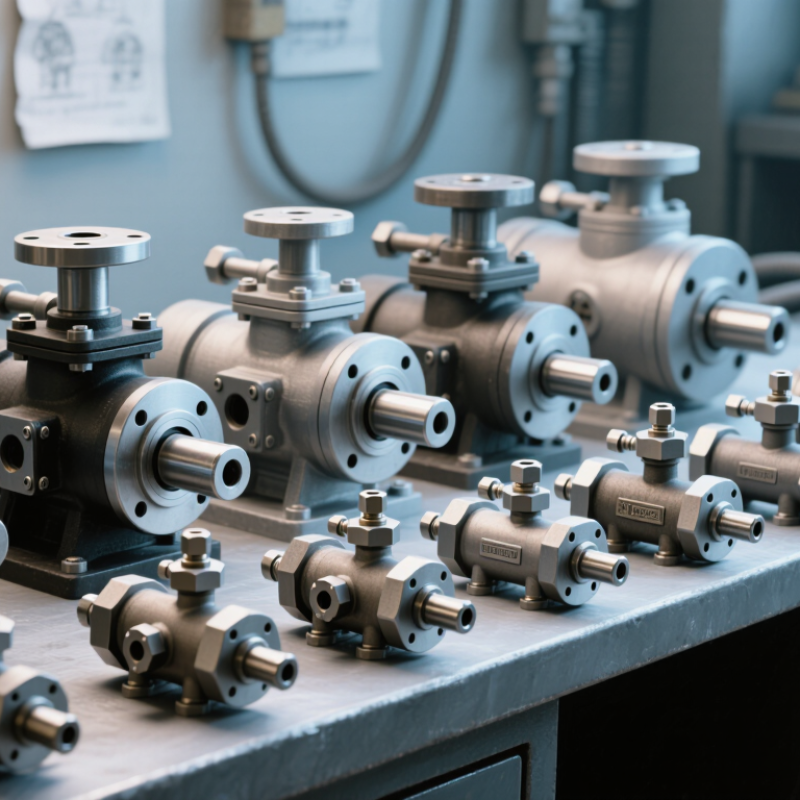
What Tokimec Equivalent Pumps Are and Where They Are Used
Equivalent hydraulic pumps are replacement units designed to match an existing pump’s key interfaces and operating behavior, not merely its appearance. Buyers should compare displacement, rated pressure, flow, shaft dimensions, port layout, rotation, control type, and fluid compatibility. A pump that fits the mounting plate may still deliver the wrong flow or respond poorly under load. Check the machine’s nameplate and service records, then confirm specifications with a qualified hydraulic technician.
These pumps are used in mobile equipment, machine tools, presses, molding systems, and marine steering circuits. In a factory, for example, the pump must provide steady flow through repeated work cycles; on a vehicle, it may need to respond smoothly as engine speed changes. The U.S. Department of Energy’s Improving Pumping System Performance sourcebook reports that pumping systems use nearly 20% of global electricity demand, highlighting why correct sizing and efficient operation matter. That figure covers pumping systems broadly, not hydraulic replacements alone. Small mismatches can increase heat, noise, and wear. It is worth checking actual duty conditions, because catalog ratings do not tell the whole story.
| No. | Pump Configuration | Displacement and Control | Typical Pressure Range | Common Applications | Key Matching Considerations |
|---|---|---|---|---|---|
| 1 | Variable-displacement axial-piston pump | Adjustable displacement; pressure-compensated or load-sensing control options | About 250–350 bar, depending on design | Mobile machinery, industrial power units, presses, and machine tools | Compare displacement, shaft and mounting dimensions, rotation, control type, pressure rating, and port layout. |
| 2 | Pressure-compensated axial-piston pump | Variable output; automatically reduces displacement as the set pressure is reached | About 250–350 bar, depending on design | Hydraulic systems that need pressure control with reduced wasted flow | Check pressure setting range, response behavior, standby pressure, and the required flow at operating speed. |
| 3 | Load-sensing axial-piston pump | Variable output controlled by load pressure and a pressure margin | About 250–350 bar, depending on design | Mobile equipment and multi-function circuits with changing flow demand | Confirm load-sensing signal compatibility, margin setting, compensator arrangement, and circuit design. |
| 4 | Variable-displacement vane pump | Adjustable output; available with pressure-compensating controls | Commonly about 100–210 bar | Machine tools, injection-molding equipment, and industrial hydraulic systems | Verify the permitted pressure, fluid cleanliness requirements, displacement range, noise expectations, and mounting details. |
| 5 | Fixed-displacement vane pump | Constant displacement per revolution; flow varies with shaft speed | Commonly about 70–175 bar | Industrial power packs, lubrication circuits, and steady-flow applications | Match rated flow at the actual speed, continuous pressure capability, inlet conditions, and shaft rotation. |
| 6 | External gear pump | Fixed displacement; simple, robust construction | Commonly about 160–250 bar, depending on duty and design | Compact power units, agricultural machinery, and general-purpose hydraulic circuits | Check continuous versus intermittent pressure ratings, displacement, port type, shaft dimensions, and allowable speed. |
| 7 | Internal gear pump | Fixed displacement; typically selected for smooth flow and comparatively low noise | Often about 150–250 bar, depending on design | Industrial equipment, material-handling systems, and noise-sensitive installations | Compare viscosity range, speed limits, pressure rating, inlet requirements, and installation envelope. |
| 8 | Electro-proportional variable-displacement piston pump | Variable output controlled by an electrical signal through a proportional control | About 250–350 bar, depending on design | Automated machinery and systems requiring electronically adjustable hydraulic output | Match control signal type, voltage, connector, fail-safe behavior, controller settings, and hydraulic ratings. |
| 9 | Tandem gear-pump assembly | Two or more fixed-displacement sections driven by a common shaft | Commonly about 160–250 bar per section, depending on design | Machines requiring separate flows for steering, implement, or auxiliary circuits | Confirm each section’s displacement and pressure rating, shaft load limits, rotation, and inlet arrangement. |
| 10 | Radial-piston pump | Fixed or variable displacement, depending on construction | Can reach about 400–700 bar in high-pressure designs | Clamping systems, test rigs, presses, and other high-pressure, lower-flow duties | Check whether the duty needs high pressure, verify flow and speed limits, and confirm fluid and mounting requirements. |
Selection note: “Equivalent” describes a possible functional substitute, not a guaranteed drop-in replacement. Pressure ranges are indicative for generic pump designs; always confirm the exact model’s datasheet, duty cycle, fluid, dimensions, connections, control characteristics, and system requirements before replacement.