0
  • WHY CHOOSE LOADRITE?
  • Register a Trailer
  • Dealer Portal
  • Contact
  • Trailers
  • Parts
    • Axle Assemblies & Parts
    • Lights & Electrical
    • Hull Support Systems
    • Spare Tire Carriers
    • Braking
    • Springs, Supports & Bushings
    • Couplers & Tongue Jacks
    • Trailer Accessories
    • Fender Components
    • Wheel Assemblies & Components
    • Frame Components
    • Winch Stand Parts
    • Hardware
  • Trailers 101
  • Resources
    • FAQs
    • Trailer Parts Store
    • Service Videos
    • Documents
    • Warranty Information
  • About
    • Why Choose Load Rite?
    • News
    • Become a Dealer
  • Blog

Boat Trailers

  • Boat Trailers
  • Bunk Models
  • Roller Models
  • Skiff/Jon Boat Trailers
  • Catamaran Trailers
  • Canoe/Kayak Trailers
  • Ski Boat & Inboard Trailers

Personal Watercraft
(PWC)

  • Personal Watercraft Trailers

Pontoon Trailers and Tritoon Trailers

  • Pontoon Trailers
  • Tritoon Trailers

Specialty & Custom

  • Utility Trailers
  • Custom Trailers
  • Sailboat Trailers
  • Australian Certified Trailers
  • Shipping & Storage Cradles
 |
What Are the Best Types of Small Boat Trailers?

What Are the Best Types of Small Boat Trailers?

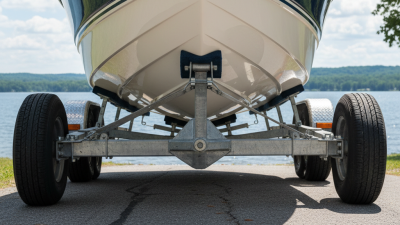
Choosing the right small boat trailer starts with the boat, not the price tag. Hull shape, loaded weight, launch conditions, and storage space all affect the fit. A compact fishing boat may sit securely on a simple bunk trailer, while a hull with a different profile may benefit from adjustable rollers. Pontoon boats need broad, well-positioned supports. Personal watercraft require their own appropriately sized setup. The options look similar at a glance. Their support systems are not.

This guide compares common trailer types and explains what each does well. It also considers practical details, including galvanized steel or aluminum frames, axle capacity, tire condition, and how easily a trailer can be rinsed after saltwater use. Small details count. A boat’s weight should include its engine, fuel, batteries, and regular gear—not just the figure in a brochure. Check the boat and trailer manufacturers’ specifications before deciding, and make sure the tow vehicle is suitable for the combined load. A trailer that works beautifully at a quiet ramp may feel awkward in a tight driveway or on a steep launch. It depends. Even experienced owners can overlook a small mismatch, so no single trailer type is best for every boat. The right choice is the one that supports the hull correctly, handles the real load, and suits the places where you launch and store your boat.
What Are the Best Types of Small Boat Trailers?
Table of Contents [Hide]
1 Define a Small Boat Trailer by GVWR and Fully Loaded Boat Weight
2 Compare Bunk, Roller, and Float-On Trailers by Hull Support
3 Match PWC, Jon Boat, and Pontoon Trailers to Boat Size and Load
4 Check Axle Ratings, ST Tire Capacity, and 10–15% Tongue Weight
5 Choose Galvanized Steel or Aluminum for Freshwater and Saltwater Use

Define a Small Boat Trailer by GVWR and Fully Loaded Boat Weight

A small boat trailer is better defined by its Gross Vehicle Weight Rating (GVWR) than by boat length alone. GVWR is the maximum permitted weight of the fully loaded trailer, including the trailer itself, boat, motor, fuel, battery, and gear. The difference between GVWR and the trailer’s empty weight gives a rough payload limit. Check the trailer’s rating plate or manual; options and added equipment can change the numbers. Small boats vary a lot.

Do not rely only on a dry hull weight listed in a sales sheet. Load the boat as you actually use it: add the outboard, a full fuel tank, anchor, life jackets, and any water or fishing equipment. That adds up. A properly loaded scale measurement is more useful than a guess, especially when gear stays aboard between trips. It is easy to underestimate this.

Keep the total below the trailer GVWR, and check the axle, tire, and coupler ratings too; the lowest rating may be the limit. The tow vehicle also has separate towing and tongue-weight limits. A trailer that fits the boat may still be overloaded once weekend gear is added. Leave a sensible margin rather than aiming to use every pound of rated capacity.

Compare Bunk, Roller, and Float-On Trailers by Hull Support

What Are the Best Types of Small Boat Trailers?

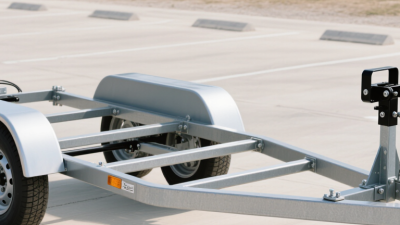
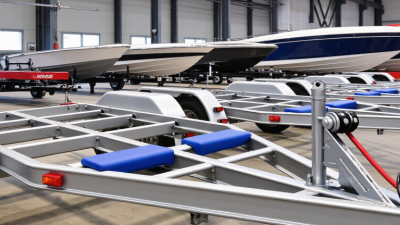
Bunk, roller, and float-on trailers support a hull differently. Carpeted bunks spread the boat’s weight along longer contact areas, offering steady support for many fiberglass hulls. Rollers reduce friction and can make launching easier, but they place more pressure on smaller points. Poor alignment may leave marks or stress a hull. Check the boat maker’s support guidance; hull shape and construction matter more than convenience alone.

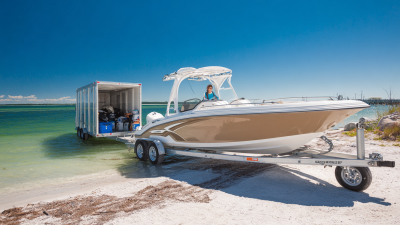
“Float-on” describes a loading method, not always a separate support design. The boat floats over a partly submerged trailer, then settles onto its bunks or rollers as it moves out of the water. That can ease loading, but requires suitable ramp depth and careful centering. The U.S. Coast Guard’s 2023 Recreational Boating Statistics recorded 4,040 reported boating accidents; the report does not isolate trailer-related incidents, so it should not be read as evidence favoring one trailer type.

Tips: Match support points to the hull’s structure, and confirm the trailer’s rated capacity covers the boat, motor, fuel, and gear. Before each trip, check that bunks or rollers sit evenly, straps are snug, and the bow stop meets the hull securely. A small alignment error can be easy to miss.

Match PWC, Jon Boat, and Pontoon Trailers to Boat Size and Load

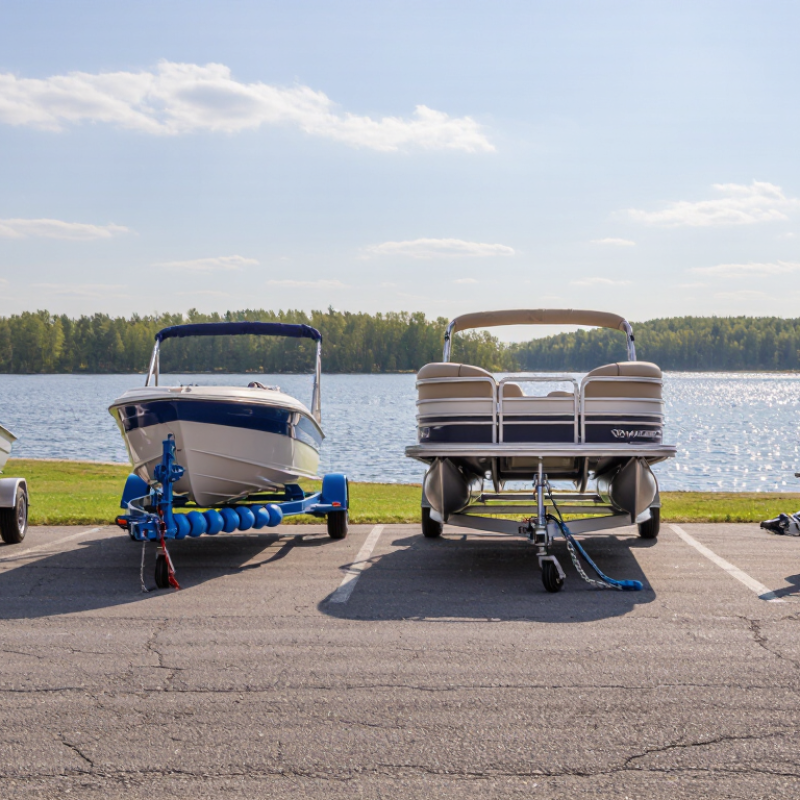
PWC trailers should fit the craft’s hull, not just its advertised length. A single-PWC setup is easier to maneuver, while a wider, multi-craft trailer needs more storage space and greater towing capacity. Check the loaded weight, including fuel and gear, against both the trailer’s rated capacity and the tow vehicle’s limits. A little extra margin helps when wet gear adds weight.

Jon boats often sit low and have flat hulls, so adjustable bunks or properly positioned rollers can support them without concentrating pressure on the bottom. Measure the hull at its widest point, then confirm the trailer’s frame and fenders provide clearance. The National Marine Manufacturers Association’s 2023 U.S. Recreational Boating Statistical Abstract reports that 95% of new powerboats sold in the United States are under 26 feet. That broad figure supports the demand for compact setups, but it does not replace measuring your boat.

Pontoon trailers need room for the deck and properly placed supports beneath the tubes. Compare the trailer’s load rating with the pontoon’s actual weight, including batteries, fuel, and onboard equipment. Confirm the bunks align with the tubes; uneven support can become a costly mistake. Check tire, axle, and gross vehicle weight ratings, too. Real loads vary. Recheck the numbers after adding accessories.

Check Axle Ratings, ST Tire Capacity, and 10–15% Tongue Weight

What Are the Best Types of Small Boat Trailers?

For many lightweight boats, a single-axle trailer is easy to maneuver and store. Larger or heavier setups may need a tandem-axle trailer, but extra axles do not replace careful load checks. Add the boat, motor, fuel, battery, and gear before comparing ratings. A trailer that looks sturdy can still be overloaded. That detail is easy to miss.

Check the axle rating and the combined capacity of its tires against the fully loaded trailer weight. ST tires are designed for trailer use, but their load limits vary by size and inflation pressure. Read the tire sidewall and follow the trailer maker’s pressure guidance. The axle, tires, wheels, and coupler all matter; the lowest-rated component can limit the whole setup. Ratings are limits, not useful targets to exceed.

Tips: Aim for tongue weight around 10–15% of the loaded trailer weight, unless the trailer or tow-vehicle instructions specify otherwise. Measure at the coupler with the boat and gear in travel position. Too little weight can invite sway; too much can strain the tow vehicle’s rear axle. Recheck after moving a fuel tank or adding gear. I’d double-check the numbers, even when the rig seems balanced.

Small Boat Trailer: Illustrative Tongue-Weight Calculations

The chart shows 10% and 15% of example loaded trailer weights. These are calculations, not a universal boat-trailer specification: follow the trailer and tow-vehicle manufacturers’ guidance. Before towing, verify that the axle rating and the combined ST tire capacity meet or exceed the actual loaded weight.

Choose Galvanized Steel or Aluminum for Freshwater and Saltwater Use

Choosing a small boat trailer starts with the water it will see. Freshwater use is generally less demanding on metal, while salt spray can speed corrosion around joints, fasteners, and fittings. Salt changes things. Also match the trailer’s rated capacity to the boat, motor, fuel, and gear—not just the hull’s listed weight.

Galvanized steel is a sturdy, often economical choice for freshwater and occasional saltwater launching. Its zinc coating helps protect the steel, but scratches and chipped areas can become weak points. Rinse the frame after saltwater use, especially around welds and hardware, and look for bubbling or rust during routine checks. I would not treat it as maintenance-free; that assumption is tempting, but wrong.

Aluminum is lighter, which can make hand maneuvering and towing easier for some owners. It resists corrosion well, but saltwater still deserves careful rinsing. Pay attention to stainless-steel bolts and other dissimilar-metal connections, where corrosion can develop. Weight matters, too. A lighter frame does not automatically mean a better trailer: check its load rating, bunk or roller support, and fit to the hull. For frequent saltwater trips, compare the whole setup, including hubs and fasteners, rather than choosing by frame material alone.

What Are the Best Types of Small Boat Trailers? — Choose Galvanized Steel or Aluminum for Freshwater and Saltwater Use

Comparison Galvanized Steel Trailer Aluminum Trailer
Best suited to Freshwater use and occasional saltwater launching when the trailer is rinsed and maintained. Frequent saltwater use, as well as freshwater use, with appropriate care for fittings and dissimilar metals.
Corrosion protection A zinc coating protects the steel. Scratches, cut edges, and areas where the coating wears away can rust; saltwater exposure can accelerate coating deterioration. Aluminum forms a protective oxide layer, but it can still corrode. Salt, trapped moisture, and contact with dissimilar metals can contribute to corrosion.
Weight and towing Typically heavier than a comparable aluminum frame, so check the trailer’s actual weight and the vehicle’s towing limits. Typically lighter than a comparable steel frame, which may reduce the trailer’s own weight; confirm the rated capacity before choosing.
Freshwater maintenance Rinse off dirt and inspect the zinc coating, welds, fasteners, and areas that may retain water. Rinse as needed and inspect the frame, joints, fasteners, and electrical connections for damage or corrosion.
Saltwater maintenance Rinse thoroughly with fresh water after use. Check for coating damage and corrosion, especially around hardware, welds, and brakes. Rinse thoroughly after use. Check hardware, wiring, and contact points; suitable isolation and compatible components help limit galvanic corrosion.
Initial cost Often has a lower initial price than a comparable aluminum trailer, though prices vary by size and equipment. Often costs more initially than a comparable galvanized steel trailer; compare total specifications, not material alone.
Practical advantages A sturdy, widely used option for many small boats, particularly where freshwater use is common and purchase price matters. Lower frame weight and good resistance to red-rust formation make it a practical choice for owners who launch in saltwater frequently.
What to check before buying Boat-and-gear capacity, frame condition, coating coverage, axle and brake ratings, tire load rating, and whether the trailer fits the hull. Boat-and-gear capacity, frame design, axle and brake ratings, tire load rating, compatible hardware, and whether the trailer fits the hull.
Quick recommendation Choose galvanized steel for a value-conscious trailer used mainly in freshwater; consider aluminum for frequent saltwater use or when lower trailer weight is a priority. In either case, select a properly rated trailer and rinse it after saltwater use.

Related Posts

  • What Is the Best Small Boat Trailer in 2026?

    What Is the Best Small Boat Trailer in 2026?

  • China Top Boat Trailer Manufacturers for Global Buyers?

    China Top Boat Trailer Manufacturers for Global Buyers?

  • China Top Boat Trailer Manufacturers How to Choose?

    China Top Boat Trailer Manufacturers How to Choose?

  • Essential Tips for Choosing the Perfect Boat Trailer: A Comprehensive Guide for New Owners

    Essential Tips for Choosing the Perfect Boat Trailer: A Comprehensive Guide for New Owners

  • Choosing the Right Boat Trailer for Your Needs Expert Tips and Recommendations

    Choosing the Right Boat Trailer for Your Needs Expert Tips and Recommendations

  • What is a Boat Trailer Axle and Why Does It Matter?

    What is a Boat Trailer Axle and Why Does It Matter?

Blog Tags:

  • boat trailer manufacturers
  • boat trailer suppliers
  • boat trailer wholesale
  • boat trailer factory
  • boat trailer exporter
  • boat trailer for sale
  • Trailers
  • Parts
  • About
  • Contact
  • Find a Dealer
1-800-LOADRTE
©2017 - 2025 Load Rite Trailers, Inc
  • Terms & Conditions
  • Privacy
  • Site Map